


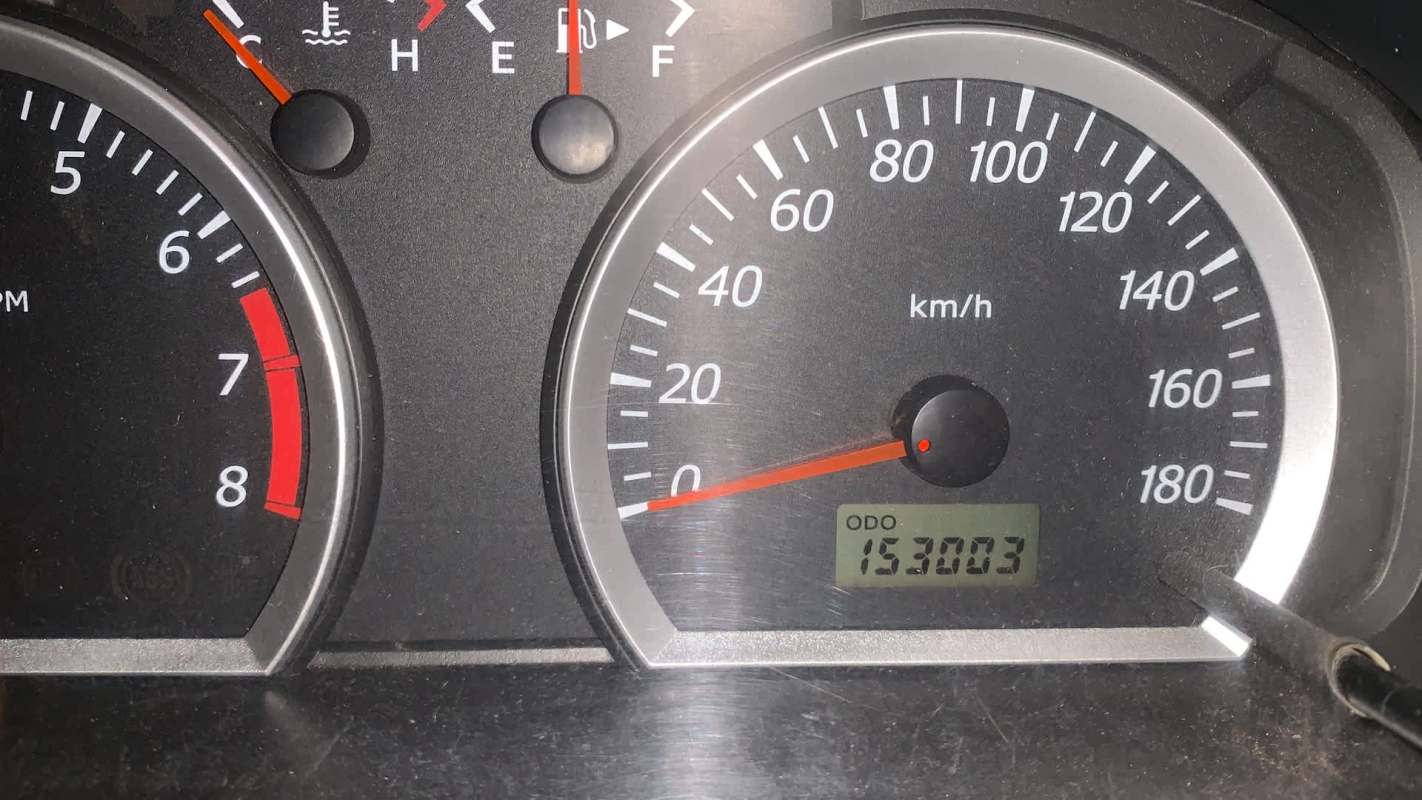
For one driver, keeping a 15-year-old car running was cheaper than replacing it. With few alternatives for getting to work and handling everyday needs, going without a vehicle hardly felt like an option.
Here's what to know
In a Reddit post, they said questions about reliable transportation come up in job interviews. On the r/Anticonsumption subreddit, the driver described living in an area where driving is essential for work, visiting loved ones, and completing everyday tasks.
"It's not a privilege if I can't get where I need to be without driving," the original poster wrote.
Their car had 150,000 miles on it, and they said they had spent heavily on repairs because a replacement would cost even more.
One commenter noted the dark side of a lack of public transportation and reliance on cars.
"Everyone should be able to access public transit," they wrote. "... The fact that we must have something that costs thousands, if not tens of thousands, that leaves so many of us in debt, just to access things like grocery stores, is absurd."
TCD Picks » Quince Spotlight
💡These best-sellers from Quince deliver affordable, sustainable luxury for all




They also pointed to expenses including maintenance and insurance, along with fuel prices that can change unpredictably.
More background
One person described a single local bus that runs once an hour, Monday through Friday. A record of never arriving late had not stopped their employers from treating the bus commute as a reliability concern.
Another commenter, a self-described car enthusiast who lived 20 miles from New York City, explained that transit routes into and out of the city did not meet every commuting need. Depending on direction and timing, a 20-minute drive could become a three- to four-hour transit trip.
Commenters described shopping areas without sidewalks or pedestrian crossings, which forced them to drive between destinations less than a mile apart. Another said their neighborhood lacked sidewalks even for walking the dog.
What can be done?
One person recommended getting people who need more transportation options to vote — and support candidates who favor those services.
The car enthusiast wanted buses, trams, and shuttles to provide practical commuting options.
For those dependent on vehicles, commenters favored affordable, repairable models or small cars such as those in Japan's K-car market.
Moneymaking priorities drew criticism from the commenter who called car ownership "absurd." They wanted funding directed toward public transit and highlighted public schools as an example of how transit could be funded as a public service without making fares or profitability the primary measure of its value.
"The money is there, but it keeps going toward adding one more lane to highways and car-dependent infrastructure," they wrote.
Where can I learn more?
Other drivers are making the same calculation of whether to keep paying for repairs or take on the cost of another car.
• Across the U.S., drivers are returning to older cars as payments and screens wear thin.
• A $5,500 transmission repair bill may still cost less than replacing the car.
• U.S. drivers fleeing $4 gas faced used-car prices back at pandemic highs.
• In Canada, a driver paying $959 monthly for a Hyundai questioned buying a cheaper car.

Get TCD's free newsletters for easy tips, smart advice, and a chance to earn $5,000 toward home upgrades. To see more stories like this one, change your Google preferences here.






