


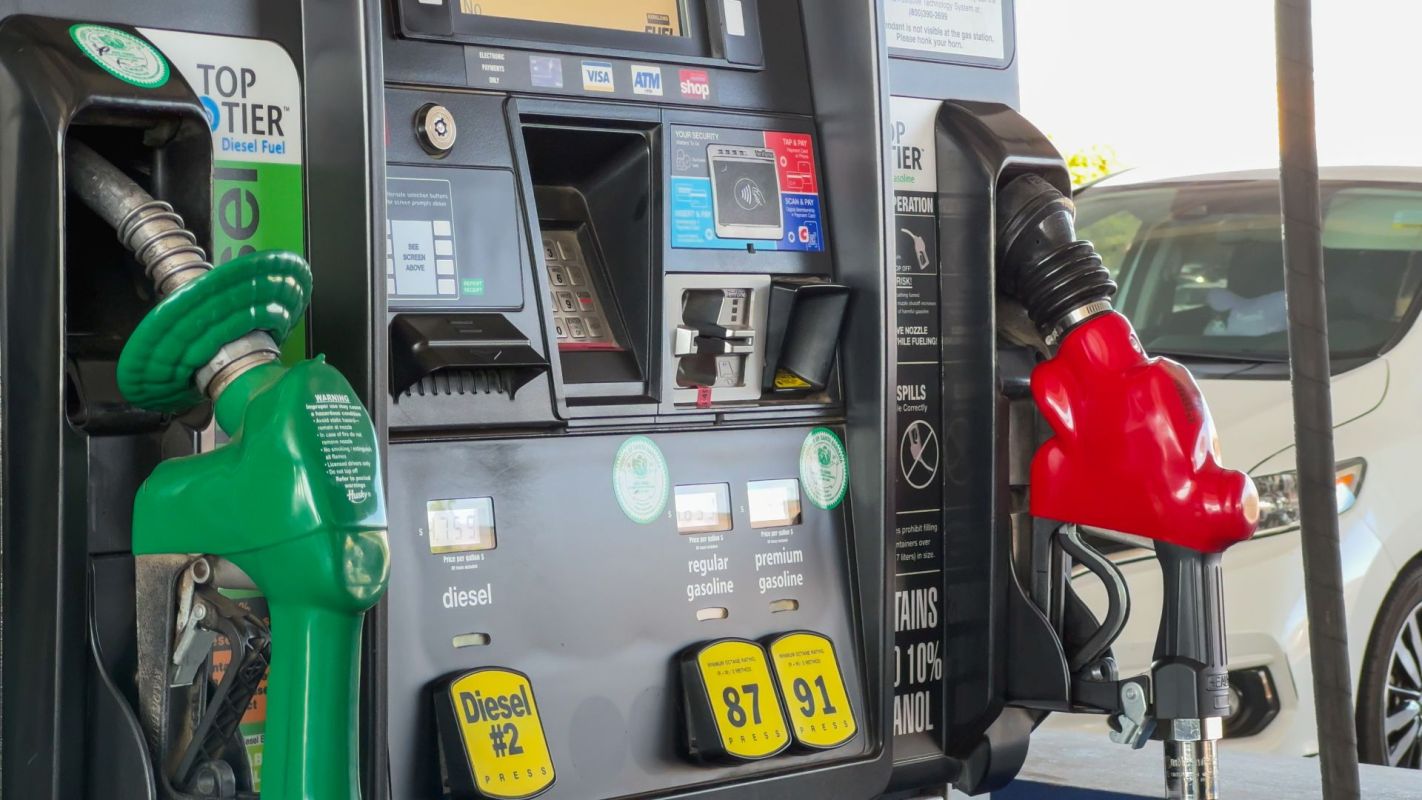
Businesses that transport goods, grow food, and build homes are seeing some relief as diesel falls below $6 per gallon for the first time in more than two months.
Here's what to know
CBS News reported the national average has dropped 54 cents from its September record, easing pressure on businesses that depend on the fuel.
Wars in Iran and Ukraine pushed diesel past $6 per gallon in September by disrupting oil flows and straining global refining capacity. AAA now reports a $5.99 average, down from the Sept. 22 record of $6.53.
GasBuddy petroleum expert Patrick De Haan pointed to President Donald Trump's signals that he would not escalate the Iran war as one reason diesel and gasoline prices have declined, per CBS News.
The decline extends to crude oil. The U.S. benchmark, West Texas Intermediate, traded at $86.72 a barrel, compared with $93.56 for the international benchmark, Brent crude.
Gasoline has crossed its own price threshold, falling below $4 per gallon for the first time in almost four months, as the network pointed out.
TCD Picks » Quince Spotlight
💡These best-sellers from Quince deliver affordable, sustainable luxury for all




More background
As CBS News detailed, higher diesel costs have helped sustain inflation by making transportation, construction, and agriculture more expensive. These industries' dependence on the fuel means disruptions to oil production and shipping can have consequences well beyond the pump.
Extracting, producing, and burning fossil fuels contribute to air and water pollution linked to asthma, heart disease, cancer, and premature death. The resulting heat-trapping pollution also worsens extreme weather disasters that destroy homes, livelihoods, and local economies.
Industry lobbying also delays cleaner energy alternatives, prolonging households' exposure to high energy costs while companies collect profits.
Gulf Oil's chief energy adviser, Tom Kloza, told CBS News that November offers a window to replenish diesel inventories before winter heating needs intensify. Seasonal demand is easing as agricultural use drops off after summer.
What's being done?
The International Energy Agency expects worldwide oil supply to exceed demand in the fourth quarter for the first time since the Iran war began, as CBS News shared. The agency raised its production forecast in its November report as supplies begin to recover.
According to a report from De Haan, shipments through the strategically important Strait of Hormuz have largely returned to levels seen before the war began in late February. The increase in shipping has come despite continued attacks on tankers.
"Oil prices slipped to start the week as expectations of a coming supply surplus outweighed fresh security incidents around the Strait of Hormuz," he explained.
Like diesel, heating oil is derived from crude oil, tying winter heating needs to the same supply system.
"It's too early for severe winter demand to remove diesel molecules for the heating oil business," Kloza told CBS News in an email.
Households are far from out of the woods, as colder temperatures could spike demand for heating oil and strain budgets.
"There is plenty to worry about between Christmas week and February 15 or so," Kloza added.

Get TCD's free newsletters for easy tips, smart advice, and a chance to earn $5,000 toward home upgrades. To see more stories like this one, change your Google preferences here.






