


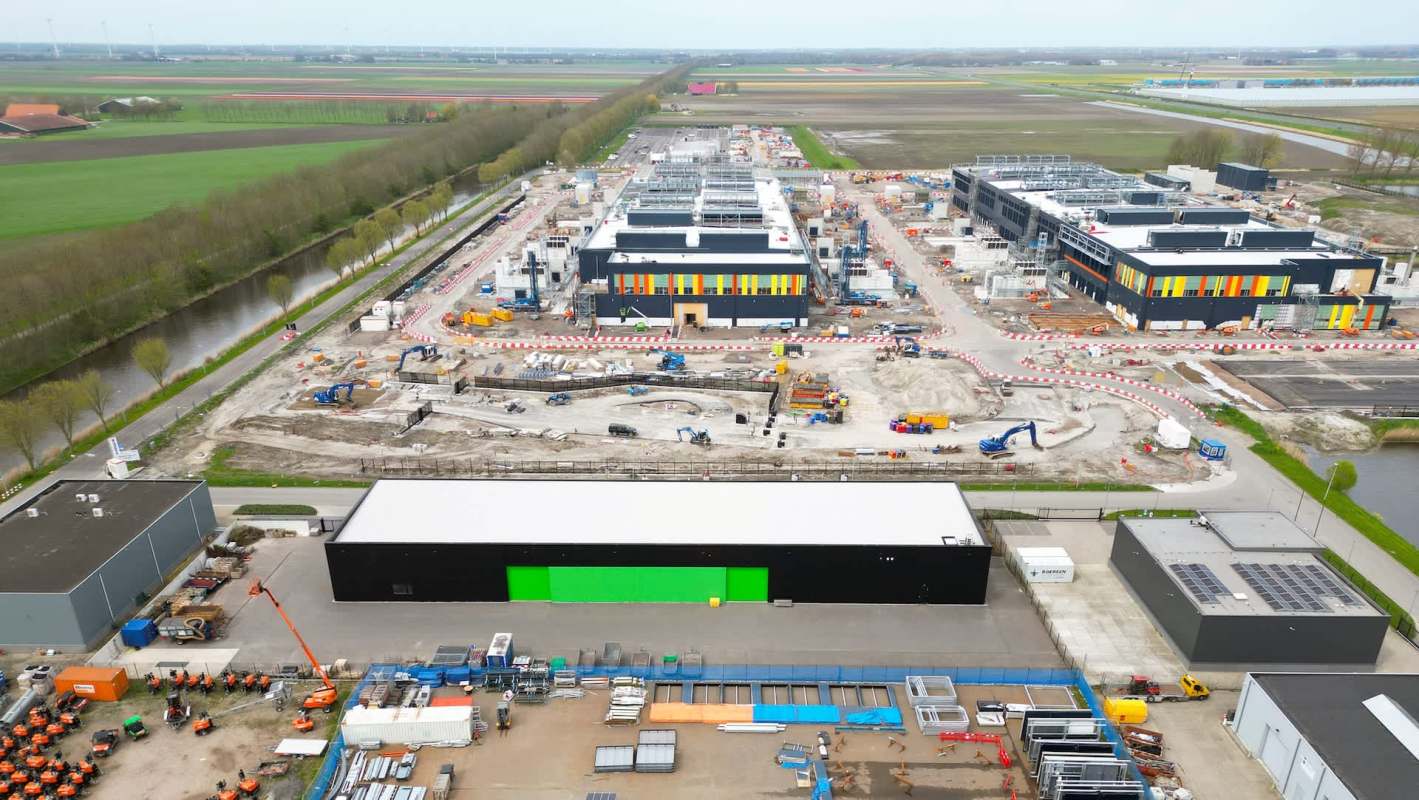
A notable shift in U.S. construction priorities is underway, with data centers now drawing more spending than public transportation projects.
Facilities packed with computing equipment are taking a bigger slice of construction dollars than airports, marine terminals, or mass transit systems.
What happened?
According to a post on the social platform X by More Perfect Union (@MorePerfectUS), spending on data centers in the U.S. has surpassed spending for public transportation infrastructure.
In the US, spending on data center construction now exceeds spending on public transportation infrastructure — including airports, marine terminals, and all mass transit.
— More Perfect Union (@MorePerfectUS) June 1, 2026
In a reply to the post, the account linked a Bloomberg article explaining that U.S. construction spending on data centers has surpassed $50 billion.
Data centers are the physical backbone of online life, supporting everything from streaming and storage to the expansion of artificial intelligence tools.
But unlike a train line or an airport expansion, they are often less visible to the public, even though they can reshape local economies, land use, utility planning, and water demand.
TCD Picks » Quince Spotlight
💡These best-sellers from Quince deliver affordable, sustainable luxury for all




Why does it matter?
More investment in data centers can bring construction jobs, tax revenue, and new digital capacity. It can also support the use of AI, including tools that help forecast electricity demand, improve grid reliability, and optimize clean energy systems such as wind, solar, and battery storage.
At the same time, data centers place substantial demands on electricity grids and, in some areas, consume large amounts of water for cooling. Critics also argue that while these projects can create a surge of construction jobs during development, they often require relatively few permanent workers once operations begin, limiting their long-term impact on local employment.
As AI use expands, utilities may need to build more generation and transmission capacity to keep up. If that growth is not managed carefully, it could contribute to higher energy bills, strain infrastructure, create security concerns, or lock in more fossil-fuel use even as communities try to move toward cleaner energy.
The shift highlights the kind of infrastructure the U.S. is prioritizing — and whether digital growth is being matched by enough investment in the transportation systems people rely on every day.
"The numbers underscore the extent to which investment in data centers is becoming increasingly central in the U.S. economy," the Bloomberg article noted.

Get TCD's free newsletters for easy tips, smart advice, and a chance to earn $5,000 toward home upgrades. To see more stories like this one, change your Google preferences here.






