


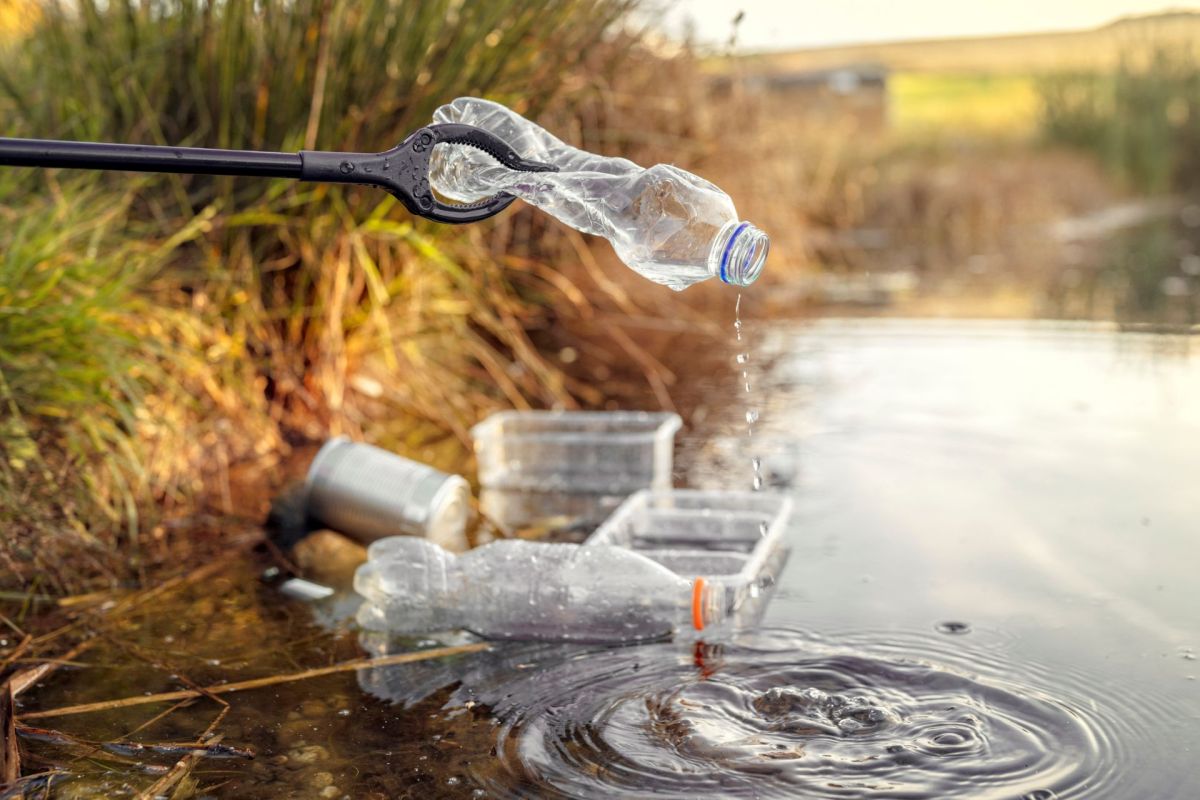
Plastic collected in U.K. recycling bins has reportedly wound up near farms and residential areas in southern Turkey, where locals say it is contributing to dirty water, toxic air, and recurring fires, according to The Guardian.
What's happening?
Drawing on Environmental Investigation Agency analysis, The Guardian found that, from May 2021 through July 2024, British companies shipped 545 consignments of plastic waste from households and supermarkets to the Kemal Deniz recycling zone in Adana, Turkey. In total, the consignments weighed about 57,300 tons.
Ayhan, an eggplant farmer in Adana whose name was changed to protect his identity, works land less than a mile from the facility.
"We get pollution from all sides here," he said. "The plastics are all there, by the bank, and the fumes come this way."
Findings also pointed to significant amounts of microplastics and plastic litter in a nearby irrigation canal.
Sedat Gündoğdu, a Turkish marine biologist with Sabancı University's Istanbul Policy Center, warned, "The discharge of microplastic-laden wastewater into irrigation canals raises critical concerns about agricultural contamination and food safety."
TCD Picks » Quince Spotlight
💡These best-sellers from Quince deliver affordable, sustainable luxury for all




There was no indication the U.K. companies involved had broken the law. However, British exporters are required to ensure the plastic they ship is recycled in an environmentally sound manner.
Why is this concerning?
People in the area say imported plastic waste is placing more strain on communities that are already economically vulnerable. The pollution it brings could harm farmland, food supplies, and human health.
Ayhan said flooding destroyed 17 acres of his crops.
"We had to plant new ones," he said. "But what can we do? Nothing. Nowhere to file a complaint — nobody cares."
Campaigners in Adana say the issue involves many waterways. A spokesperson for the environmental group Adana Ecology Platform, Yaşar Gökoğlu, said the city's poorer districts — home to many recycling plants — face "chemical pollution, water, air and soil pollution" that "negatively affect their lives."
Without strong monitoring, exporting waste can relocate environmental and health risks rather than addressing them where the plastic is produced.
What's being done?
Pressure is mounting on governments to take greater responsibility for their own waste.
The European Union has imposed stricter controls on plastic exports. Starting in November, there won't be any shipments to most countries that aren't a part of the Organisation for Economic Cooperation and Development. There is also tighter oversight of exports to OECD countries like Turkey.
Lauren Weir of the Environmental Investigation Agency said the U.K. should move more quickly.
"People don't take the time to clean out their yoghurt pots for recycling expecting the plastic to end up polluting another country's environment," she said. "It's time the government does the same by banning plastic waste exports and putting an end to waste colonialism."

Get TCD's free newsletters for easy tips, smart advice, and a chance to earn $5,000 toward home upgrades. To see more stories like this one, change your Google preferences here.






