


Electricity bills in the U.K. have been painfully high enough that many people assume the only direction left is up.
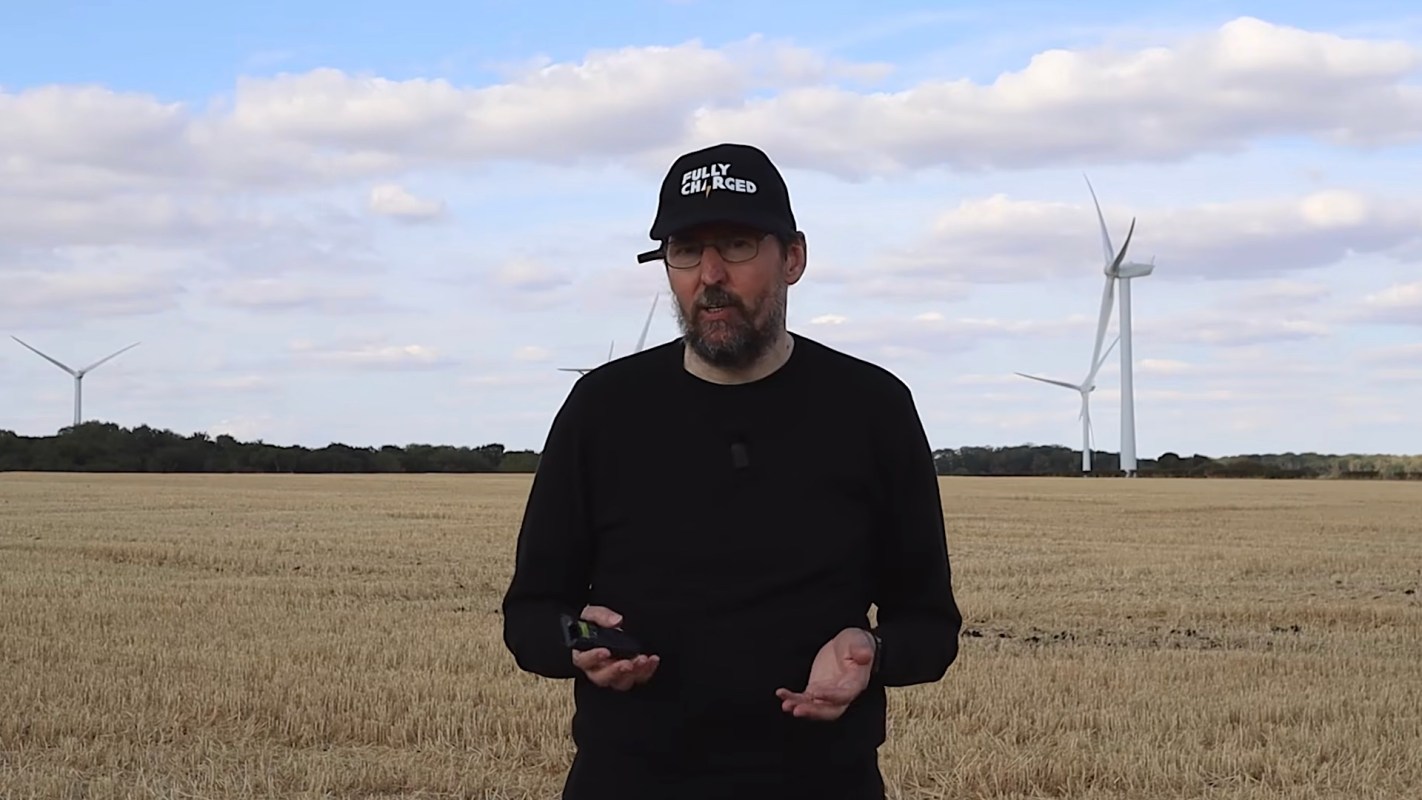
However, Andrew, host of the The Electric Transition (@theelectrictransition) YouTube channel, discusses long-term energy trends and says a lesser-known feature of those bills could eventually help push prices lower than many households fear.
"There are several reasons why electricity is eventually going to get cheaper than it is today," he said in a recent video.
Here's what to know
Andrew based his argument on two separate ideas. First, renewable power can become much cheaper to operate once the upfront build costs have been recovered. Second, a typical household electricity bill contains a sizable chunk of fixed charges, meaning the final price people pay is not mostly determined by the electricity itself.
To explain that second point, he pointed to a May 2026 House of Commons Library briefing on U.K. electricity bills. Andrew explained that wholesale power made up less than two-fifths of a yearly £876 bill for 2,700 kilowatt-hours, which he said comes to about 32.4 pence per kilowatt-hour once standing charges are included.
Andrew's key takeaway was that many of those charges would be spread more thinly if electricity consumption rose nationwide. In his example, even a doubling of usage would push the total bill up by less than two times, because the fixed portion would change very little, dropping the effective price to just under 25 pence per kilowatt-hour.
TCD Picks » Quince Spotlight
💡These best-sellers from Quince deliver affordable, sustainable luxury for all




More background
That matters because the U.K. is moving more transport and home heating onto the electricity system. At the same time, fossil fuel prices are still vulnerable to international disruptions, including geopolitical conflict and trade instability.
Andrew also said renewables are often built using long-duration contracts that allow developers to recover major upfront construction costs over time. Once the earliest of those agreements begin to expire — which could start around 2031 and 2032 — the projects can keep generating power at much lower ongoing cost because they do not require purchased fuel.
The content creator further said that government data may hint at a shift. Based on figures cited in the video, U.K. electricity use increased in 2025 after a prolonged decline, and peak demand rose by more than 4 gigawatts in a single year. If that continues, it could reduce the strain created by grid infrastructure that has been underused.
Andrew said he was not forecasting a dramatic drop in bills by 2030. Instead, he described a slower change as renewable contracts roll off, electricity use increases, and fixed grid costs are shared across a larger amount of demand.

Get TCD's free newsletters for easy tips, smart advice, and a chance to earn $5,000 toward home upgrades. To see more stories like this one, change your Google preferences here.






