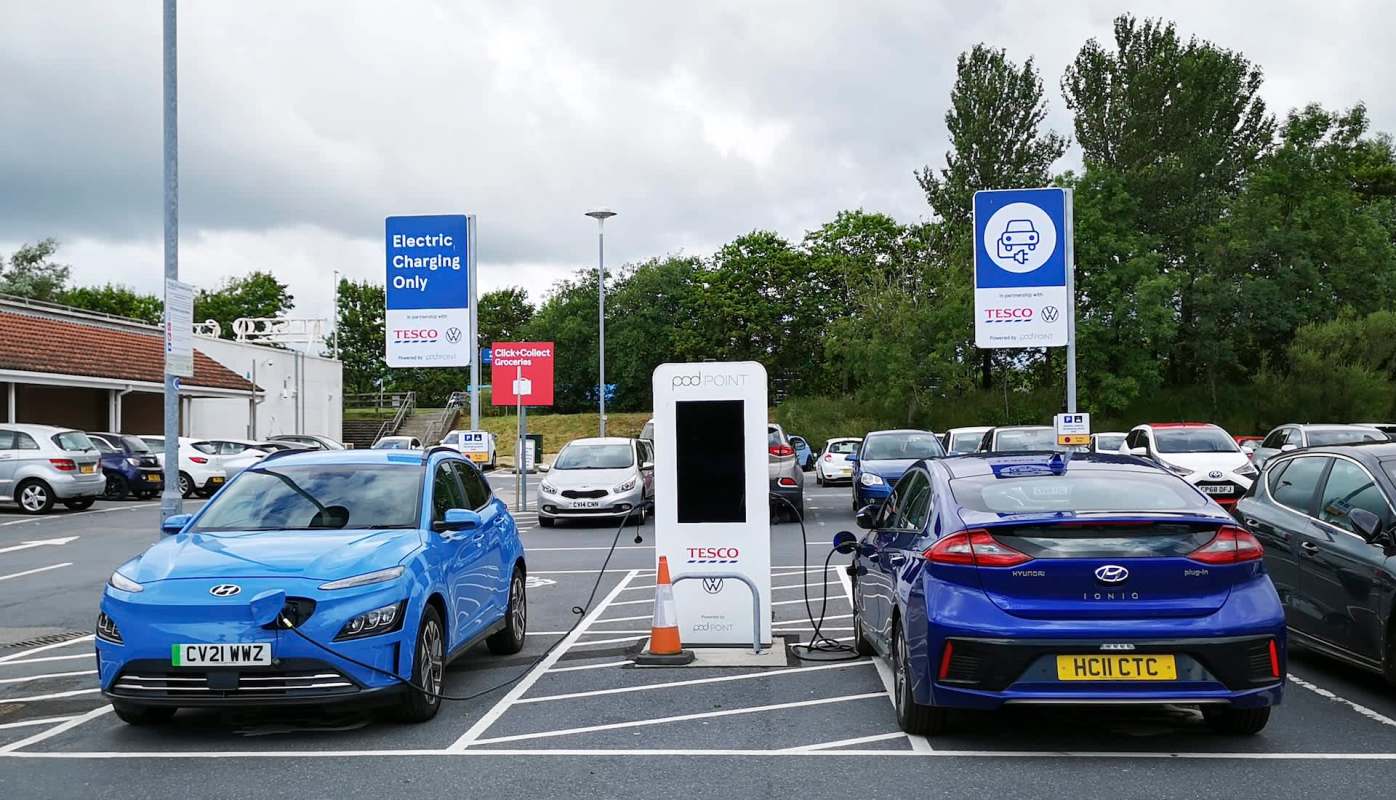
After lobbying by car companies and labor groups, ministers in the U.K. are reportedly considering scaling back the nation's 2030 electric vehicle target.
Such a change could slow the country's shift toward cleaner transportation even as electric vehicles continue to gain ground.
For drivers, workers, and local communities, the debate reaches beyond sales targets. The decision could affect air quality, fuel costs, charging access, and how quickly the country moves toward a less-polluted future.
What happened?
The nation's zero-emission vehicle (ZEV) mandate is being reconsidered. The initial plan had required that 80% of all new car sales be ZEVs by the end of the decade. Companies that failed to meet this rate would be heavily penalized at over $16,000 per car.
But, as reported by the BBC, officials are holding a consultation to revisit this 2030 figure, which could be lowered to 50% of all new car sales.
Hybrids would also be allowed to take a much larger share of the market. The 2030 cutoff for new cars powered solely by petrol or diesel would remain in place, which would leave hybrids to play a bigger role under the revised approach.
TCD Picks » EDF Spotlight
💡EDF's Vital Signs newsletter delivers stories about game-changing solutions close to home and around the world


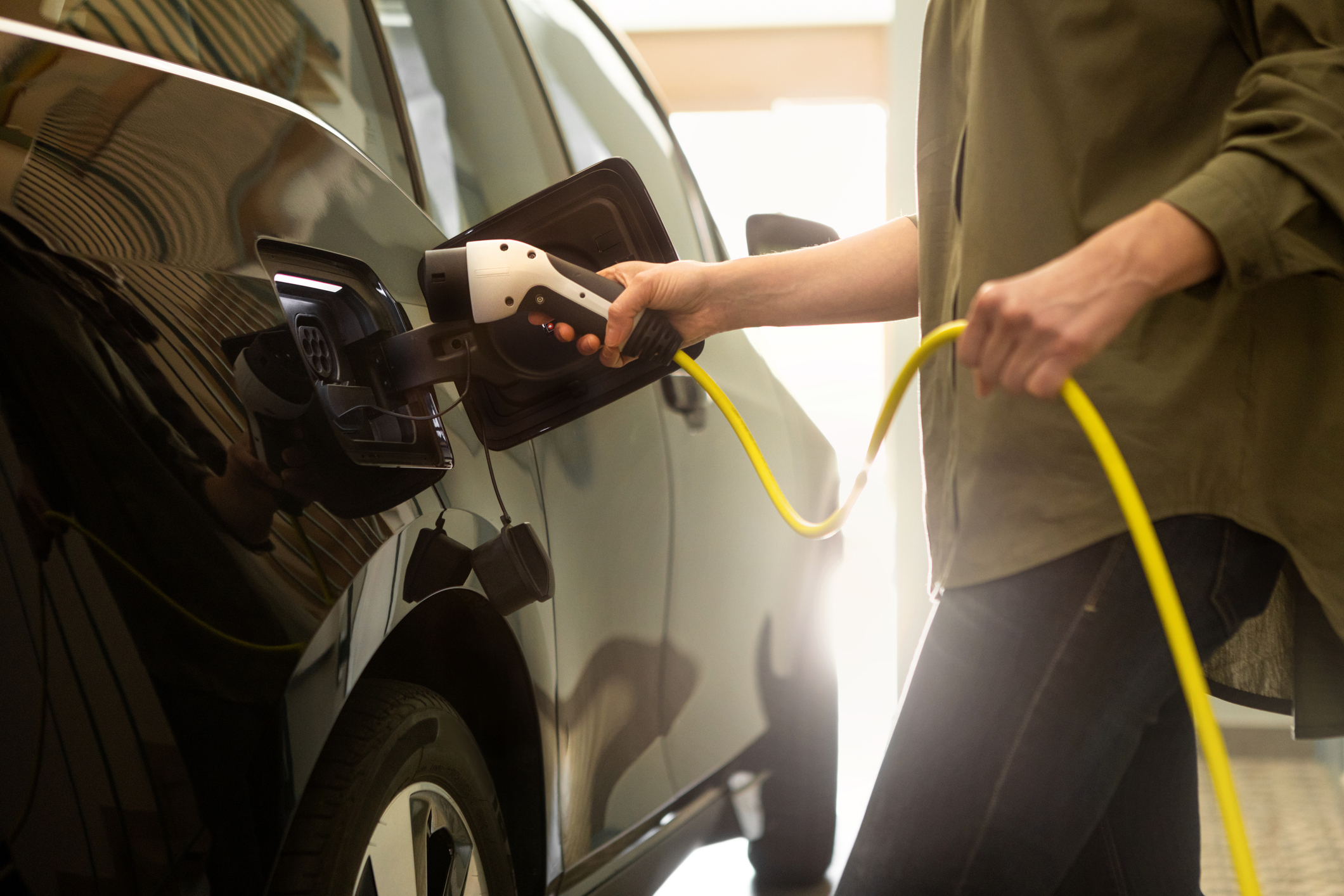

EV sales are still increasing, but not at a pace that matches the government's planned milestones. Battery-electric cars made up 27.3% of new registrations in May, and automakers say they have been leaning on heavy discounts to push sales higher, per EV Shift.
Why does it matter?
Supporters of the rollback say easing the rules could help protect jobs and keep manufacturers from being penalized while consumer demand continues to build.
Still, slowing the EV transition could also delay many of the benefits tied to cleaner transportation. More fully-electric cars on the road can mean less tailpipe pollution, quieter neighborhoods, lower running and maintenance costs for drivers, and faster investment in charging infrastructure.
Critics say the bigger concern is the message a weaker target would send. If investors and charging companies see it as a government retreat, they may reduce infrastructure spending, creating uncertainty across the sector, making convenient charging harder to access, and complicating the country's path toward cleaner air.
TCD Picks » Quince Spotlight
💡These best-sellers from Quince deliver affordable, sustainable luxury for all




Vicky Read, chief executive of ChargeUK, warned that weakening the mandate would "slam the brakes on infrastructure rollout and send the entire transition into a tailspin."

Get TCD's free newsletters for easy tips, smart advice, and a chance to earn $5,000 toward home upgrades. To see more stories like this one, change your Google preferences here.
Cool Picks