


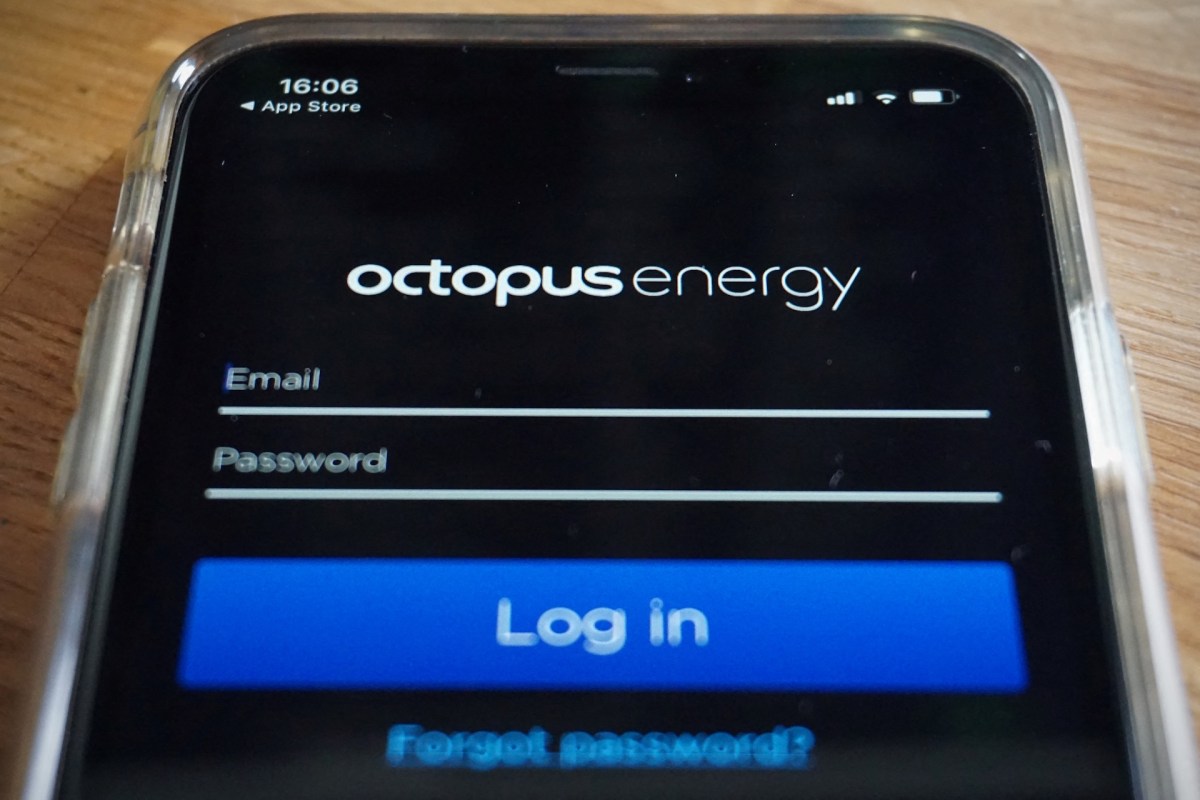
A U.K. electric vehicle owner says a money-saving charging plan may have backfired after Octopus scheduled an afternoon top-up at the cheap rate — then appeared to bill most of that electricity at the more expensive peak rate instead.
For drivers who sign up for smart tariffs to cut fueling costs, that kind of mismatch can wipe out one of the biggest advantages of owning an EV.
Here's what to know
According to the r/OctopusEnergy thread, the app had set the car "a several-hour slot during the afternoon." The poster said Predbat also detected the 8p/kWh signal during that window and used it to charge a home battery, but the electricity used then later seemed to be billed mostly at the peak rate instead of the off-peak EV rate.
The original poster wrote, "My consumption has now come through and it looks like most of the electricity used during that period has been charged at the peak rate, with very little showing as off-peak EV consumption."
Other commenters suggested the issue might not be isolated. One commenter said, "The app is not always right — you need to check the actual bill."
More background
Time-of-use tariffs are designed to reward people for shifting electricity use away from busy periods. For EV owners, that can be a practical money-saving tool: plug in when rates are low, automate the process, and spend far less than you would on petrol or on higher daytime electricity.
TCD Picks » Quince Spotlight
💡These best-sellers from Quince deliver affordable, sustainable luxury for all




Several replies highlighted how hard smart charging can be to untangle when apps, chargers, home batteries, and third-party tools are all involved. One commenter said checking whether usage had been assigned properly now required manually reviewing each day, adding that "the system has proven to allocate usage unreliably."
Someone else said they were dealing with a similar billing issue and would rather have a simple off-peak period from 11:30 p.m. to 5:30 a.m. than variable daytime charging slots.
What can be done?
The first step is to check the bill, not just the app. Several commenters said the display users see is not always the final word on how electricity is allocated.
Keeping your own records can help too. A commenter said they email themselves charging schedules as they are produced because those schedules may not remain accessible afterward. Screenshots of the app, charger logs, and home energy platform data may also help build a case if a bill looks wrong.
Households with home batteries or solar setups may want to be especially careful, since overlapping systems can make it harder to identify which usage should qualify for a smart EV rate. If maximizing low-cost charging is the goal, some users may prefer simpler fixed off-peak plans over more complex "intelligent" scheduling.
If a supplier initiated the charging session itself, customers may also want to emphasize that point in any dispute.
Where can I learn more?
For more on public charging prices, flat-fee charger access, home electric bill savings, vandalized charging stations, and ChargePoint's solar-backed expansion in Africa, check out these stories.
• At a United States charger, a driver found rates nearly double Tesla's price despite a promo.
• In Illinois, drivers can get charging at a fair price through flat-fee access.
• In Santa Clarita, drivers found a charging station vandalized.

Get TCD's free newsletters for easy tips, smart advice, and a chance to earn $5,000 toward home upgrades. To see more stories like this one, change your Google preferences here.






