


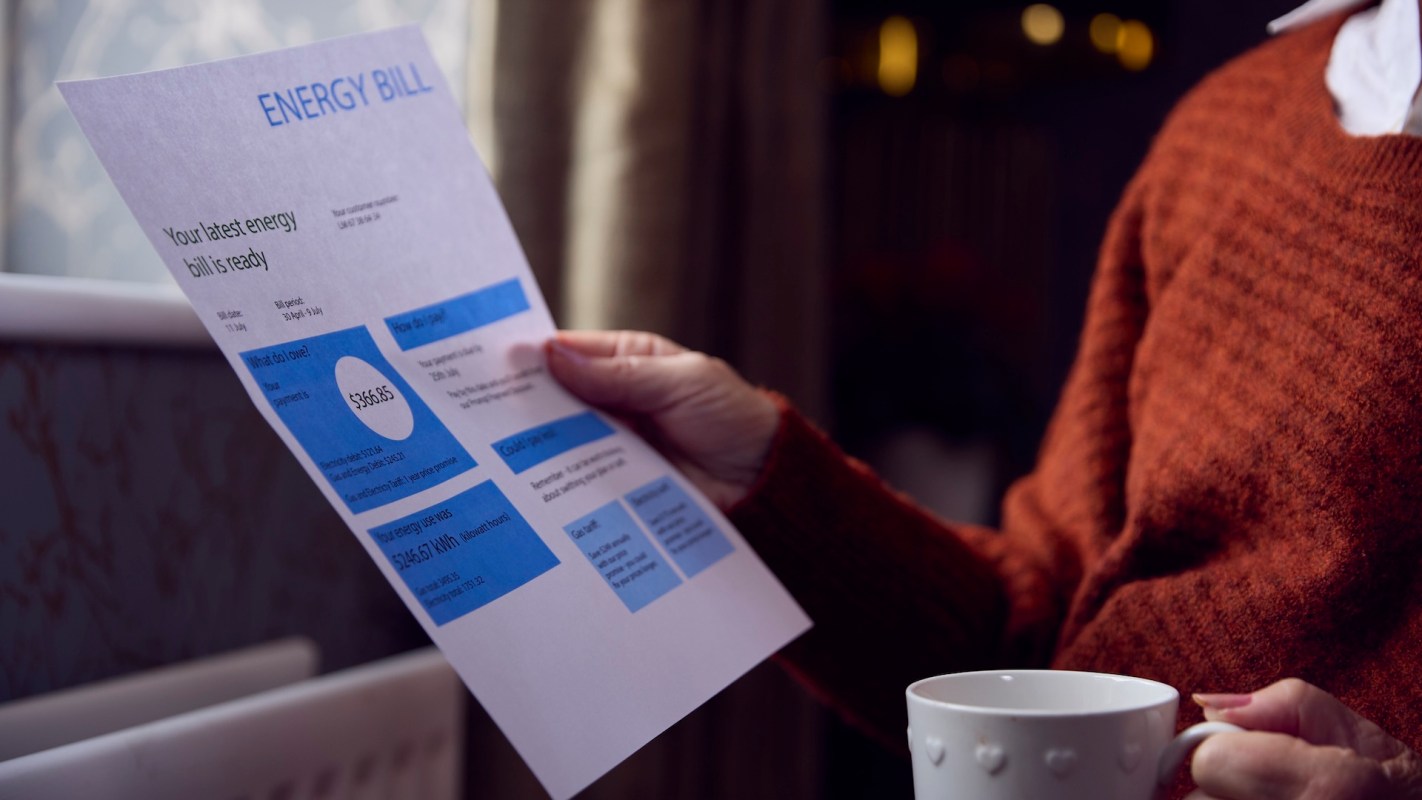
Households in the United Kingdom could see energy bills jump by more than a quarter in January, followed by another increase in April, according to an energy-supplier forecast.
Here's what to know
EDF Energy predicted that the annual energy price cap could reach £2,192 ($2,950) in January and £2,389 ($3,212) in April, BirminghamLive reported.
The forecasted increases would follow an October 1, 2026 hike, during which the cap rose 3.6%, taking the annual figure for a typical-use household paying by Direct Debit from £1,663 ($2,240) to £1,723 ($2,320).
EDF's April projection would put that annual figure £666 ($895) above the October level, a considerable increase in just six months.
"Rising wholesale gas prices are once again pushing up energy bills," said an EDF spokesperson, as reported by BirminghamLive. "Additional support for those least able to pay, alongside tackling the growing problem of energy debt, is essential for this winter."
Households' vulnerability to energy-market disruptions has become a greater concern amid conflict in the Middle East, with analysts largely blaming the United States and Israel's war with Iran for the spike in energy prices, BirminghamLive reported.
TCD Picks » Quince Spotlight
💡These best-sellers from Quince deliver affordable, sustainable luxury for all




More background
The goal behind the price cap was to prevent excessive charges on costly variable tariffs. Energy regulator Ofgem first introduced the caps on January 1, 2019. Since then, both the daily fee for keeping a home connected to the grid, known as the standing charge, and the price suppliers charge for each unit of gas or electricity have been capped, per BirminghamLive.
The cap applied to standard and default tariffs, used by most households, according to Money Saving Expert, the consumer website founded by Martin Lewis. The cap's level is mainly influenced by the cost suppliers face when buying energy on the wholesale market.
Reliance on oil and gas
Reliance on oil and gas has left many households and businesses exposed to shifts in the global markets for those fuels, according to EDF, which has pushed for further electrification.
"Longer term, with 70 per cent of the UK's total energy consumption still coming from oil and gas, we need to electrify the economy more quickly," EDF said, per BirminghamLive. "This would improve resilience to future shocks and ensure we utilise the homegrown electricity being built."
Where can I learn more?
Households and businesses worldwide have been feeling the budgetary squeeze of higher energy prices. These stories cover the UK's winter energy outlook, the cost of switching to cleaner heating, and heating-bill pressures in the northeastern United States.
• The UK faced a harsher winter as oil topped $100 and Europe's gas buffer thinned.
• In Britain, £9,000 heat pump grants faced cuts to fund defense as gas prices surge.
• The UK's poorest households faced £7,700 clean-heat costs, compared with £1,800 for better-off homes.
• Northeastern US households braced for $2,300 heating oil bills as the Iran war jolted winter costs.
• Massachusetts gas prices reached $4.34, and experts warned winter heating bills could climb next.

Get TCD's free newsletters for easy tips, smart advice, and a chance to earn $5,000 toward home upgrades. To see more stories like this one, change your Google preferences here.






