


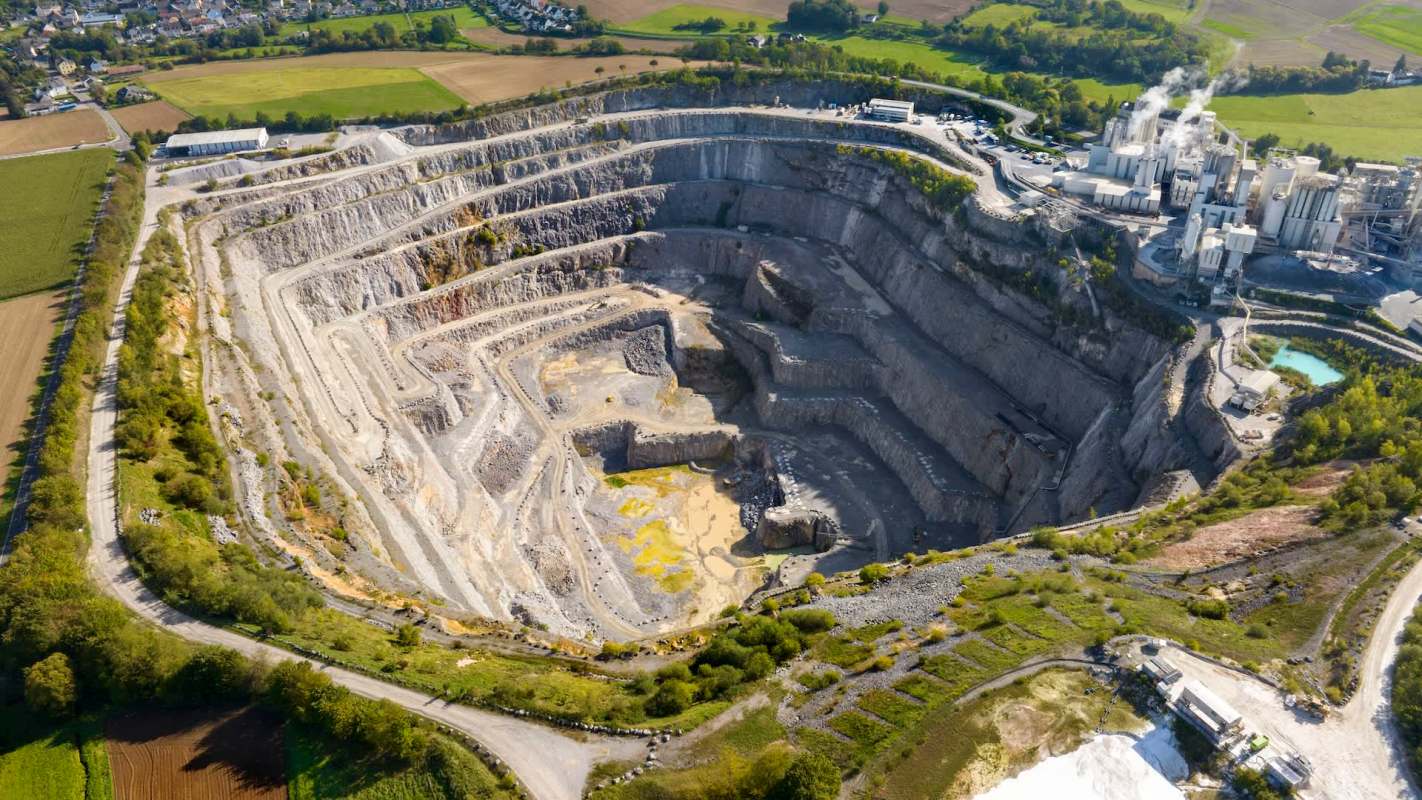
A plan to expand Trefil Quarry near Tredegar onto more than 54 acres (22 hectares) of Welsh common land has been blocked after planning inspector Ian Stevens found the project would come at too high a cost to grazing rights, wildlife, and the landscape, Nation.Cymru reported.
Here's what to know
Gryphonn Quarries Ltd already had planning permission for an extension at Trefil Quarry near Tredegar, but a separate decision was still required because the area is registered common land.
The scheme would have allowed limestone to be extracted from Trefil Common in three phases, across about 54.9 acres (22.2 hectares). Quarrying could have continued until the end of 2051, with restoration running through the end of 2053.
In November 2024, Blaenau Gwent councillors unanimously supported the planning application despite objections from Natural Resources Wales.
They also agreed Welsh Ministers should be informed before permission was issued because the site affected a Site of Special Scientific Interest.
Stevens refused the common land application, deciding that the development would interfere with grazing rights and also harm protected environmental features.
TCD Picks » Quince Spotlight
💡These best-sellers from Quince deliver affordable, sustainable luxury for all




The company had claimed there was no proof that grazing rights were being used.
However, during a site visit, Stevens saw horses and sheep on the land, and the Llangynidr and Llangattock Commoners Association noted that those rights were still being exercised.
More background
The proposed extension largely lies within the Mynyddoedd Llangynidr a Llangatwg, Cefn yr Ystrad a Chomin Merthyr Site of Special Scientific Interest.
This area is designated for features such as calcareous grassland, wet and dry heath, grassland fungi, breeding birds, and blanket peat and bog.
The site is also within Bannau Brycheiniog National Park and sits about half a mile south of it.
Stevens concluded that expanding the quarry would damage the common's open, natural character and would fail to conserve the National Park's natural beauty.
What's being done?
Natural Resources Wales formally objected to the common land application because of concerns about the loss of grazing and the effect on biological features, per Nation.Cymru.
The commoners' association also provided evidence that the land was still in active use.
Stevens concluded that the quarry works would have a "harmful effect" on the SSSI and "would not conserve the natural beauty of the National Park."
Where can I learn more?
The quarry fight in Wales is part of a wider pattern of clashes over mining and development in protected landscapes and wildlife habitat. These articles examine a proposed mining ban on conservation land and other disputes over efforts to shrink or damage protected areas.
• In New Zealand, a bill to ban mining on protected land brought a land-use dispute back into the national spotlight.
• In Colorado, efforts aimed at reducing protected land by 90% drew backlash over the Dolores River monument.
• In New York, protected wetlands construction near a river put a contractor on the hook for a $121,000 restoration bill.

Get TCD's free newsletters for easy tips, smart advice, and a chance to earn $5,000 toward home upgrades. To see more stories like this one, change your Google preferences here.






