


Texas regulators have signed off on a long-debated move away from one of West Texas' thirstiest coal plants.
The decision tests whether wind, solar, and battery storage can replace aging fuel-burning infrastructure without sacrificing grid reliability. It carries particular weight in a drought-prone region, where the Tolk plant has depended on the shrinking Ogallala Aquifer and where customers in Texas and New Mexico still rely on steady power.
Here's what to know
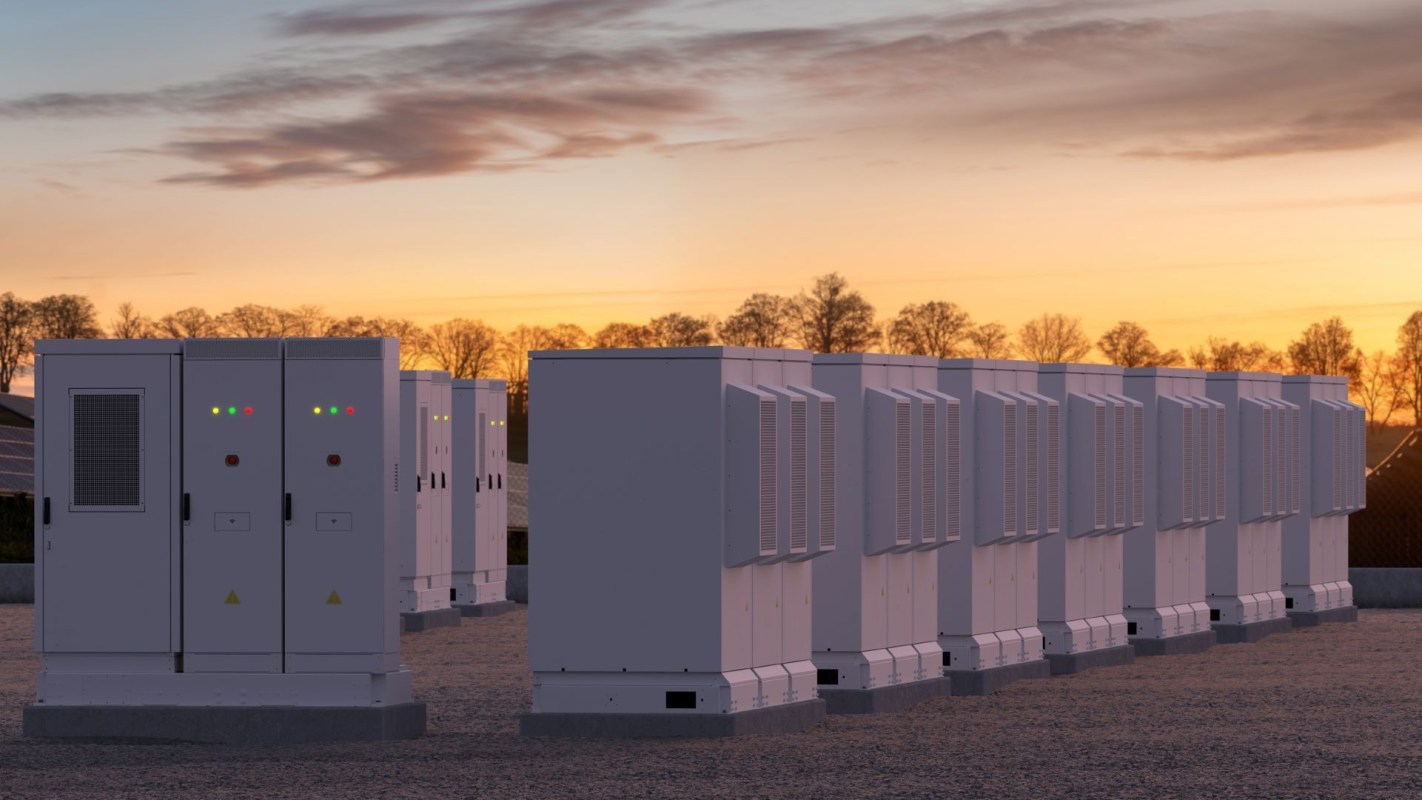
For Southwestern Public Service Company, the ruling means the Tolk coal plant near Lubbock can be retired and replaced with a new resource package: 1,100 megawatts of wind, 189 megawatts of solar, and 322 megawatts of battery storage, as CleanTechnica reported. Across Texas and New Mexico, the company says that combination should produce enough power for roughly 375,000 households.
Texas regulators didn't rely on renewables alone. They also signed off on two gas peaker plants in Texas, but only under strict cost caps, allowing the utility to add limited gas backup instead of keeping the older coal plant in service.
Josh Smith, a Sierra Club Environmental Law Program attorney who has spent years working on the Tolk plant, said the ruling shows there's "a common-sense path in Texas to transition away from expensive, dirty, thirsty coal. Texas doesn't need coal anymore, even as it prepares for increased demand, and today's decision clearly shows that."
He added, "When Tolk closes, it will save abundant water in a drought-prone region, millions of ratepayer dollars, and eliminate millions of tons of harmful pollution every year, making rural West Texas a healthier place to live."
TCD Picks » Quince Spotlight
💡These best-sellers from Quince deliver affordable, sustainable luxury for all




The plant's retirement schedule had already been moving forward. SPS, which is owned by Xcel Energy, had previously said Tolk would close by 2032 under a 2020 Sierra Club agreement, then later proposed a December 2028 shutdown, as CleanTechnica reported. Rulings from the New Mexico Public Regulation Commission and Texas regulators set the closure for early 2029.
More background
Tolk's water demand is enormous. Sierra Club's analysis, Watts Wasting Texas Water, cited by CleanTechnica, said Tolk drew 1.2 billion gallons of groundwater in 2024. In 2015, its water use reached 3.3 billion gallons. Renewable energy uses very little water during operation.
Closing the plant could ease pressure on the Ogallala Aquifer, a crucial groundwater source that has been under strain for years, while also reducing pollution tied to coal combustion and transport.
The pollution concerns are significant as well. In 2025, Sierra Club figures cited by CleanTechnica said Tolk emitted 3.2 million tons of carbon pollution, along with 5.4 million pounds of nitrogen oxide pollution and 15.5 million pounds of sulfur dioxide. A 2026 Sierra Club health analysis linked the plant to 10 premature deaths each year, mostly in surrounding rural counties.
Sierra Club said the closure should also mean fewer open-air rail shipments of coal from Wyoming, reducing coal dust and particle pollution along the route.
What's being done?
Texas regulators capped costs on the gas peaker plants, while the New Mexico Public Regulation Commission allowed the renewable and gas construction to move forward but, as CleanTechnica reported, didn't rule on the utility's request to classify the new gas-fired power plants as zero-carbon resources.
Cyrus Reed, the Legislative and Conservation Director of the Lone Star Chapter of Sierra Club, said the approved replacement mix is the most practical option available.
"These solar, wind, and battery storage projects are clearly the most cost-effective and efficient means of replacing the aging and increasingly expensive Tolk coal plant while also maintaining system reliability, saving scarce groundwater resources, utilizing existing transmission rights, and reducing harmful pollution," Reed said.
Where can I learn more?
These stories follow the same change for Tolk, with utilities leaning on solar and battery storage to replace older plants across the country.
• Near Dallas, developers launched a major solar-and-storage buildout to help meet Texas demand.
• In Texas, a massive solar farm entered service with 80 MWh of batteries.
• In San Antonio, CPS Energy added a massive new battery to back up peak demand.
• Duke Energy is turning a massive coal plant overhaul into solar-and-battery capacity.
• In Kentucky, regulators approved an unprecedented solar expansion after retiring seven fossil plants.

Get TCD's free newsletters for easy tips, smart advice, and a chance to earn $5,000 toward home upgrades. To see more stories like this one, change your Google preferences here.






