


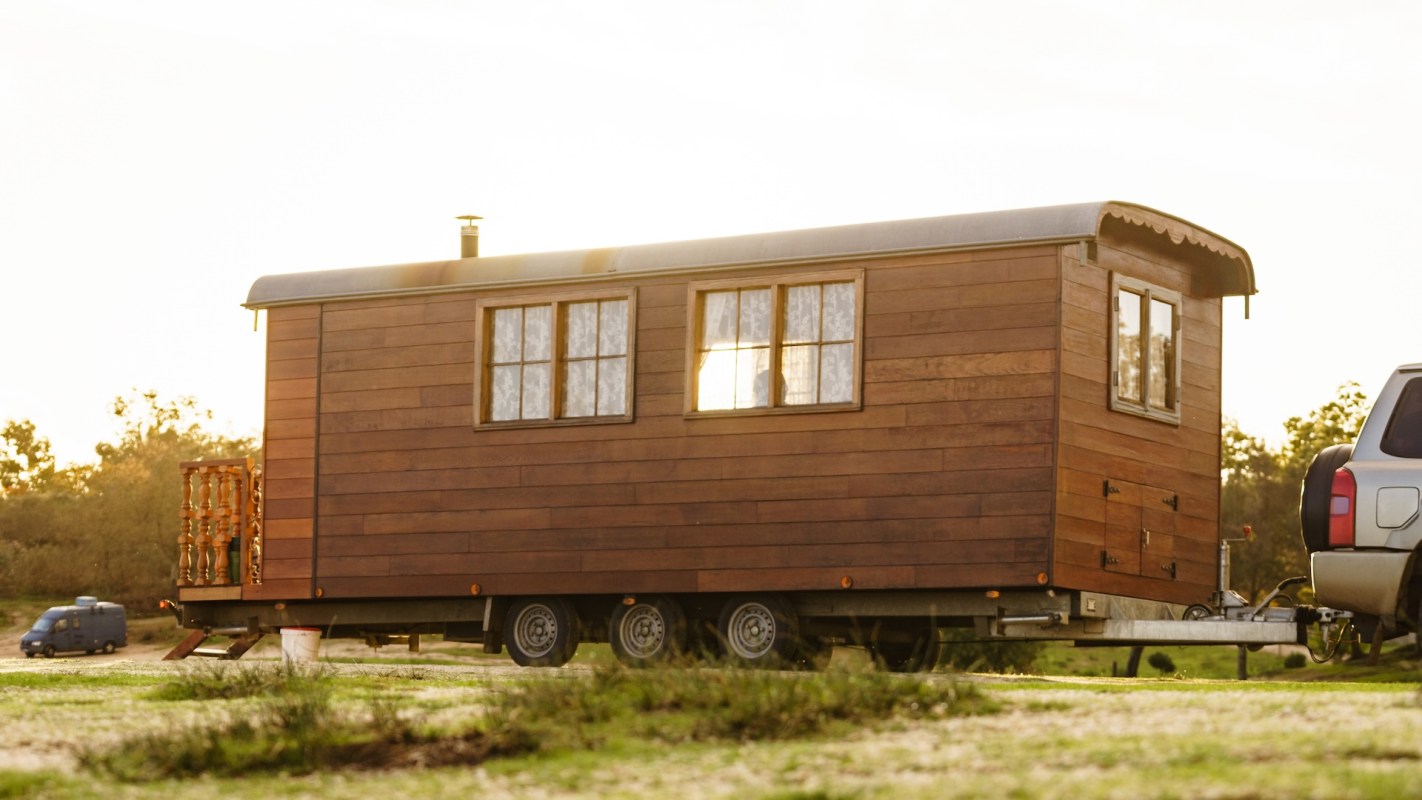
Can a tiny-home business help revive a town of 202 people?
For the residents of Arriba, Colorado, that question is about more than one company; it factors in jobs, housing, and the future of a community that has spent decades watching much of its commercial activity fade away.
Here's what to know
According to CPR News, Ben VanderWerf, founder of BHV Adventures and an Arriba resident, moved to the eastern Colorado town in 2019 and turned a personal building project into a small manufacturing operation. After building a tiny home for his own family, he began constructing units for other buyers and envisioning a broader network of tiny-home communities connected to the RV park he owns in town.
Among the people backing that effort is Troy McCue, executive director of the Lincoln County Economic Development Corporation in nearby Limon.
"Small manufacturing is the nirvana for rural economic development," McCue remarked.
State support has followed, too. BHV Adventures is the first and only Lincoln County project to receive help from Colorado's Rural Jump-Start Program, which provides grant funding and tax relief. McCue supported the application because he believes the company could add jobs while also helping with the area's housing needs.
TCD Picks » Quince Spotlight
💡These best-sellers from Quince deliver affordable, sustainable luxury for all




More background
Conversations about Arriba often center on the businesses it no longer has. VanderWerf told CPR that earlier decades brought several gas stations, a grocery store, a hardware store, and other commercial activity that pointed to a much livelier local economy.
But the barriers are real. Because materials must be hauled into a remote area, manufacturing and homebuilding costs rise, making it harder to offer broadly affordable housing. BHV Adventures' models are priced from $45,000 to $165,000, which may work for some households but still remain out of reach for others.
Water may be an even firmer limit. "Water is king," McCue said bluntly. "That's why any community in Lincoln County — even Limon with its 2,000 people — is not going to become the next Parker overnight. We don't have enough water."
He added that Arriba has enough water to support a population about twice its current size — still only around 400 people.
What's being done?
Local leaders are taking a smaller, more practical approach: support one entrepreneur, create a handful of jobs, and carefully expand housing options within the area's limits.
For a rural manufacturer, grant funding and tax relief can offset some of the extra costs tied to distance, shipping, and an extremely small local market. VanderWerf's plan is also linked to property he already owns in town through his RV park, Big Ben's.
"We love it here. It's peaceful with the four kids that we have. It's a tight-knit community. Everyone knows each other out here," VanderWerf said.
Where can I learn more?
These stories explore other housing and energy ideas shaping life in small communities, from prefab tiny homes and off-grid solar to village heating systems and neighborhood solar programs.
• Cosmic One is building sleek prefab tiny homes with water recycling and energy generation for off-grid living.
• In the Rocky Mountains, a family shows how 1,000 watts of solar powers their off-grid home.
• In Swaffham Prior, a village heating system is cutting residents' costs and changing daily routines.
• Neighborhoods are forming solar purchasing cooperatives to lower installation costs and expand home energy access.
• Community utilities are using shared solar programs to help households cut power bills.

Get TCD's free newsletters for easy tips, smart advice, and a chance to earn $5,000 toward home upgrades. To see more stories like this one, change your Google preferences here.






