


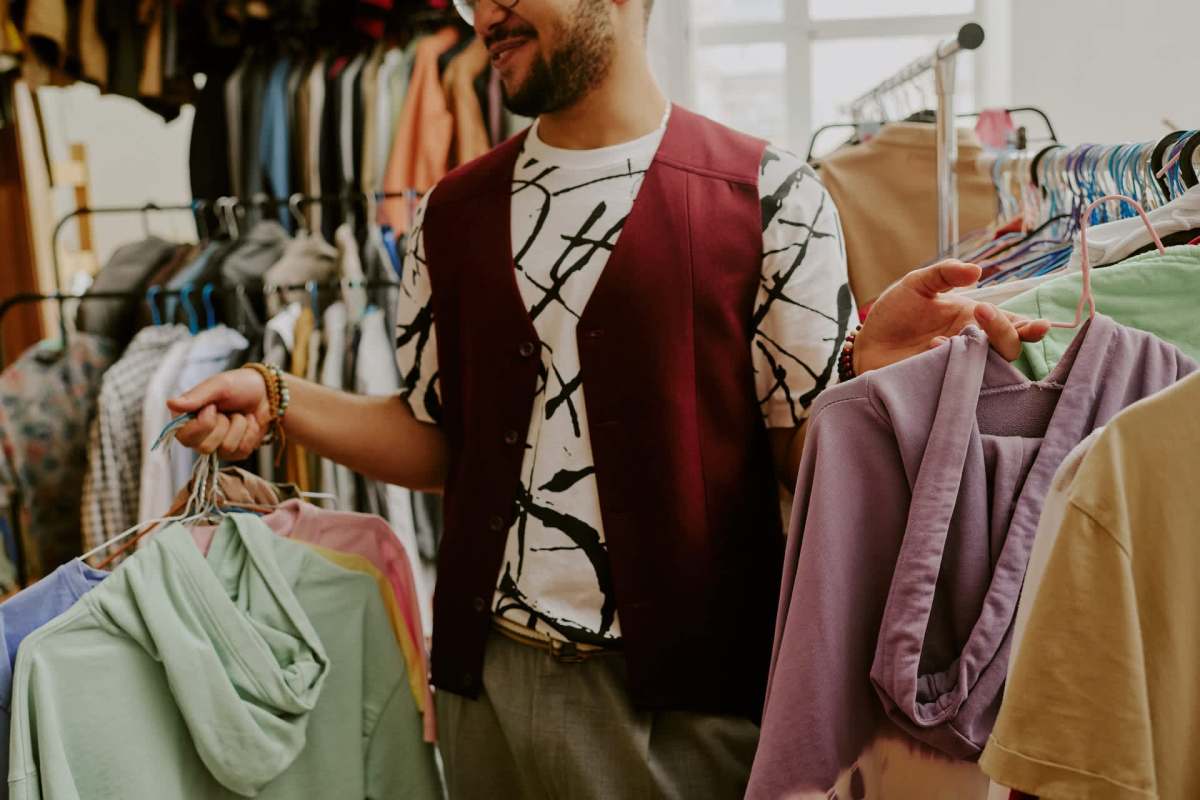
Online fashion bragging rights are changing. Instead of impressing people with piles of new purchases, many now get more mileage out of saying a look was thrifted, vintage, handed down, or found secondhand on a trip.
The shift reflects a broader change in how many people think about fashion, spending, and what actually feels impressive.
What's happening?
Shopping-spree posts and giant unboxing videos have not vanished, but as Elle India reported, they no longer inspire the same reaction.
Where they once read as glamorous, they now often attract criticism for waste, overconsumption, and buying in quantity rather than building a personal style.
For years, haul culture treated sheer volume as the flex. Stacks of bags, endless packages, and multiples of similar items were presented as signs of status.
Now that more shoppers understand how closely fast fashion is tied to overproduction and textile waste, such a display can feel increasingly out of step.
TCD Picks » Quince Spotlight
💡These best-sellers from Quince deliver affordable, sustainable luxury for all




Meanwhile, trends like "underconsumption-core" have recast repetition and upkeep as desirable: rewearing, repairing, and fully using what is already in your closet.
Restraint, once seen as unglamorous, has become part of the aesthetic.
Consumers have not sworn off shopping. The difference is what they want their purchases to communicate: less sheer volume, more intention, originality, and discernment.
Why does it matter?
If fashion prestige is shifting away from impulse buying and toward more thoughtful purchases, consumers may feel less pressure to chase every micro-trend or viral item.
Thrifting, rewearing, and buying fewer but better pieces often costs less than trying to keep up with constant trend cycles, particularly when it helps people avoid accumulating items they may wear only once.
There is also a practical style advantage. When social feeds keep serving up the same algorithm-driven sameness, secondhand shopping can be a better route to something distinctive.
Clothes that feel personal may have far more staying power than a pile of near-duplicates picked up in a flash sale.
Many people are drawn to thrifting for reasons beyond sustainability, but buying secondhand and keeping clothing in use longer can help reduce demand for throwaway fashion and the waste it generates.
What can I do?
It can help to think of shopping less as accumulating and more as styling.
Before buying something new, consider whether something you already own could be repaired, altered, or reworn in a different way. That approach can stretch a budget while also helping sharpen personal style.
The founder of Love Me Twice told Elle India that many shoppers are already moving in that direction: "A lot of shoppers who come to our stores are already quite conscious about how they consume, and for first-time thrifters it's often the first step towards more mindful shopping."
She added that the appeal is not limited to sustainability: "The fun of thrifting lies in the surprise of chancing upon unique, good-quality pieces that one can style in their own personal way."
"Once you thrift, you can never go back," the founder said. "Cookie-cutter fashion hauls can get really monotonous and saturated."

Get TCD's free newsletters for easy tips, smart advice, and a chance to earn $5,000 toward home upgrades. To see more stories like this one, change your Google preferences here.






