


For years, thrift stores served as a reliable place to find cheap household necessities and the occasional hidden gem, from vintage kitchenware to antique furniture and high-end home goods at a fraction of retail prices.
Now, one longtime thrifter said those same stores are increasingly packed with overpriced basics, damaged goods, and items that can cost more secondhand than new.
Here's what to know
In a video on YouTube, content creator A to Zen Life — who describes herself as an addictions and mental health therapist and an avid thrifter for nearly 30 years — said secondhand shopping has become both less affordable and less practical.
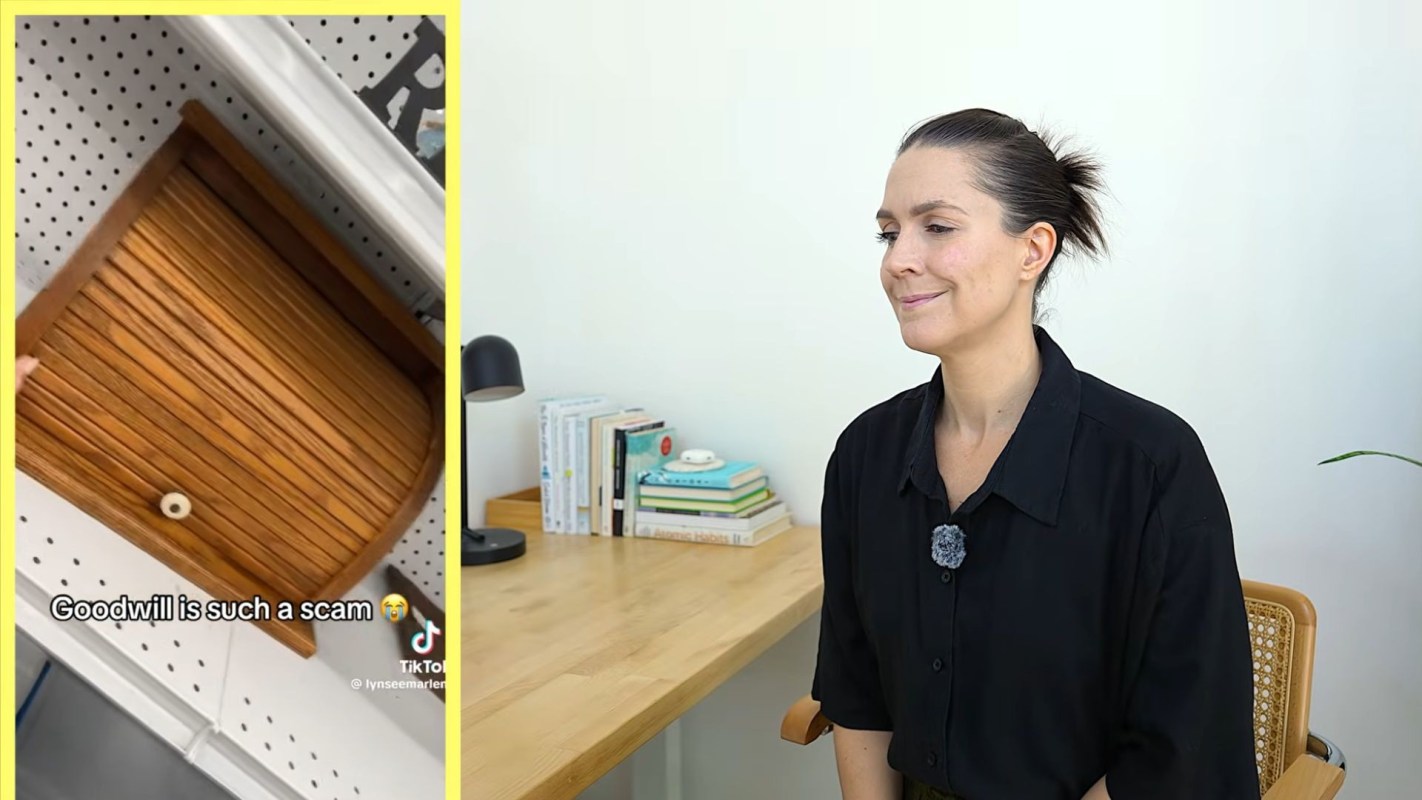
She supported that argument with several examples from thrift-store clips, including used Mega Bloks tagged at $40 despite finding new bags online for about $20 to $25, a product with a 25-cent Walmart sticker being resold at Goodwill for $1.99, and Nike shirts with holes marked at $9.99.
She said, "This is why stuff is ending up at landfills."
She said not every seemingly steep thrift-store price is automatically unreasonable. After one shopper objected to a $35 roll-top bread box at Goodwill, the creator said an image search showed the same model selling at Target for nearly $222.
TCD Picks » Quince Spotlight
💡These best-sellers from Quince deliver affordable, sustainable luxury for all




Even with rising prices in some stores, shoppers can still save significant money and occasionally uncover unusually valuable items at steep discounts.
More background
She said price is only part of the issue. In her view, quality has also fallen off, and she estimated that, in her area, "90 to 95%" of what she comes across is junk, including chipped butter dishes, stained clothing, and broken household goods.
That frustration also showed up in the comments. One user said, "My math man (husband) said, 'Are you adding up the hours and the gas prices to your 'looking for the perfect thrift store price'?'"
She also highlighted clips from others describing what thrift-store staff may have to handle behind the scenes. In one video included in her roundup, a former thrift-store employee alleged, "The amount of biohazards that I was exposed to as an employee of a thrift store should have been illegal."
She linked those experiences to a wider overconsumption problem, especially fast fashion, saying Shein adds roughly 10,000 new products to its site each day.
What can be done
Her first tip for shoppers was to compare prices on the spot. Keeping a phone handy while thrifting, she said, can help people decide whether an item is truly a bargain or whether buying it new would be the smarter choice.
She also said people should stop using thrift stores as dumping grounds. Instead of donating broken, moldy, or unsanitary items, she argued, donors should throw away actual trash so stores aren't overloaded with waste and shoppers don't have to spend time sorting through it.
For shoppers who still want the advantages of secondhand buying — lower prices on basics and the chance to find standout pieces — the creator shared a few practical habits. She recommended freezing wool garments in a sealed bag for at least 72 hours to kill moth eggs and using stain removers on salvageable clothing.
Where can I learn more?
The stories here dig into similar complaints about thrift stores feeling less affordable and less practical.
• Across thrift stores, overpriced basics now sit unsold, taking up space on crowded shelves.
• At Goodwill and similar chains, price tags left shoppers staring at costs higher than retail.
• Some thrift chains mark down fast fashion less aggressively, even as inventory keeps piling up.
• For basics like jeans, fast fashion isn't always cheaper than secondhand racks.

Get TCD's free newsletters for easy tips, smart advice, and a chance to earn $5,000 toward home upgrades. To see more stories like this one, change your Google preferences here.






