


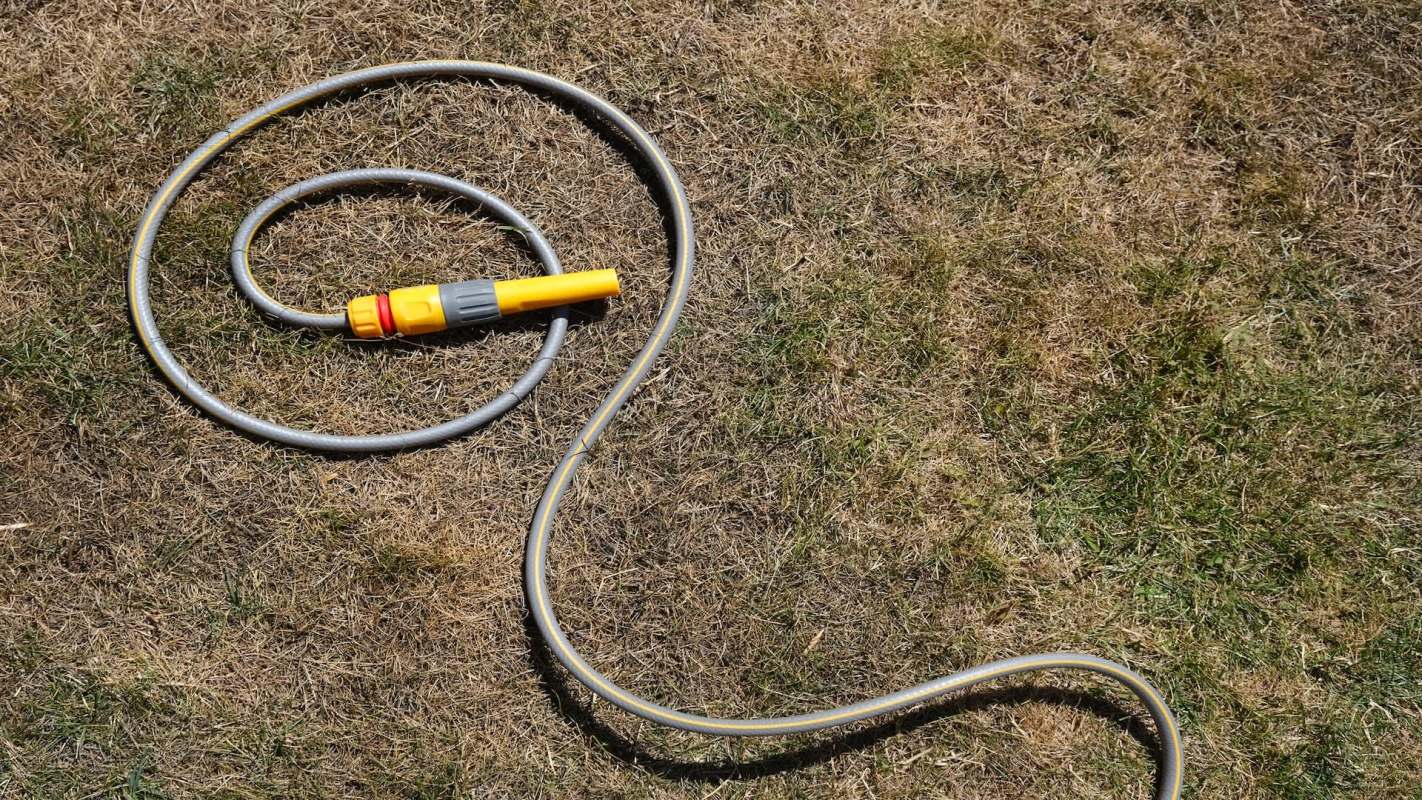
Millions of people in and around London may need to keep their hoses switched off for months longer, after Thames Water said its drought restrictions are likely to remain in place until the end of 2025 as reservoirs slowly recover from extreme heat and unusually dry conditions.
Here's what to know
The company introduced the hosepipe ban on July 23, and it applies to 10.1 million customers. Following heatwaves and exceptionally low rainfall, more than 27 million people across England are now subject to some form of hosepipe restriction.
Speaking to Times Radio, Thames Water strategic water resources director Nevil Muncaster said, as The Independent reported: "I think realistically, it's going to be towards the end of the year before that comes off."
Since the ban started, Thames Water said household demand has dropped 3% across London and by more than 6% in the Thames Valley and Home Counties.
The system is still under pressure, however. Thames Water said the Thames catchment got less than 0.04 inches of rain in July — about 2% of the long-term average — while customer use remained around 26.4 million gallons a day above normal.
The Independent reported that the company also said London reservoirs were 74% full, lower than usual, while Farmoor Reservoir in Oxfordshire stood at 92%.
TCD Picks » Quince Spotlight
💡These best-sellers from Quince deliver affordable, sustainable luxury for all




More background
Hosepipe bans can disrupt everyday activities such as watering gardens, washing cars, filling paddling pools, and cleaning outdoor spaces. When restrictions last for months, they can make it harder for water systems to recover after prolonged dry weather.
As customers cope with ongoing restrictions, Thames Water — the country's largest water utility — is also dealing with nearly £20 billion in debt ($27.1 billion with current exchange rates) and continuing uncertainty about its long-term future.
Muncaster said the planned reservoir at Abingdon in Oxfordshire is not expected to be ready before 2040.
What's being done?
Thames Water said it is focused on cutting demand and protecting supplies. The company said those conservation efforts are already lowering usage in some areas, and it is still urging households to keep saving water even when rain is forecast.
Thames Water has also pointed to its infrastructure. Muncaster said the company's £250 million ($339 million) Beckton desalination plant, which opened in 2010 to help during droughts, was offline for planned maintenance.
He also told Times Radio, "The Environment Agency forecast is that it will be drier than normal for the next few months, but we'll wait and see."

Get TCD's free newsletters for easy tips, smart advice, and a chance to earn $5,000 toward home upgrades. To see more stories like this one, change your Google preferences here.






