


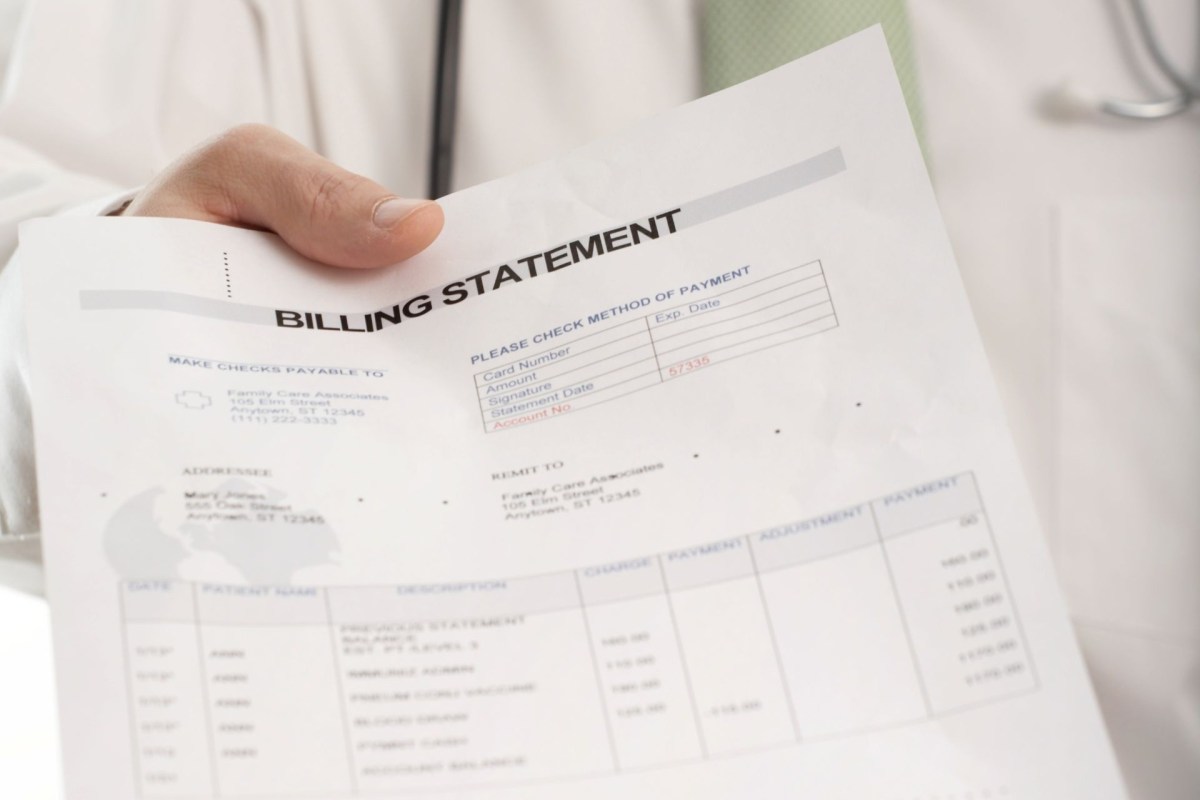
A Texas woman's visit to a hybrid healthcare clinic for a urinary tract infection ended with a follow-up bill for $1,756.
Here's what to know
An investigation by STAT shows her unexpected bill is just one of many. It examined hybrid clinics operated by Intuitive Health, which is backed by private equity and has close to 50 locations, according to Medical Daily.
Kristin Gills told STAT that she visited Methodist Legacy ER & Urgent Care in Allen, Texas, and initially paid $211 for routine UTI care. She later received an additional $1,756 invoice.
During its investigation, STAT heard from patients who said they had sought urgent care treatment for respiratory complaints such as congestion, coughs, and flu symptoms and were slapped with shocking ER-size bills.
More background
According to CMS, the No Surprises Act, effective since 2022, limits out-of-network emergency charges to in-network cost sharing. However, as Medical Daily explained, it does not determine whether a visit qualifies for urgent care billing, leaving patients potentially responsible for large emergency room deductibles or copays even at an in-network facility.
Intuitive Health presents its healthcare model as a way for patients to get treatment without deciding beforehand whether their condition requires emergency care, and a clinician ultimately determines the billing category, according to the investigation.
TCD Picks » Quince Spotlight
💡These best-sellers from Quince deliver affordable, sustainable luxury for all




A 2024 KFF Health News report examining the Jacksonville, Florida, collaboration between UF Health and Intuitive Health found that blood work and ultrasounds could trigger emergency-level billing. "That sounds crazy, that a blood test can trigger an ER fee, which can cost thousands of dollars," PatientRightsAdvocate.org founder Cynthia Fisher said, per the outlet.
The facility, part of Methodist Richardson Medical Center, lists daily urgent care hours of 7 a.m. to 9 p.m. on its website, while its emergency room remains open around the clock.
What can be done?
Patients are told their billing category before discharge, according to Methodist's patient FAQ.
"The final billing classification (emergency room vs. urgent care) is determined based on the resources utilized," the FAQ says, noting that more than 80% of visits receive urgent care billing.
For non-emergency visits, Medical Daily suggests asking at check-in whether a facility combines emergency room and urgent care services and which billing category applies.
Before undergoing additional tests, patients can also ask whether those services would change the billing classification and request answers in writing.
Patients facing an unexpected charge can request a bill listing individual charges and their billing codes, ask why the facility classified the visit as emergency care, and submit a written appeal to their insurer. People who believe their federal billing protections were violated can contact the No Surprises Help Desk at 1-800-985-3059.
Cash-pay discounts and financial assistance may also help reduce the cost. In Gills' case, a Methodist representative reduced her outstanding balance to $667, STAT reported.
Still, for Gills, her case demonstrates a much larger problem in healthcare.
"I'm going to fight it," Gills told STAT. "This will be the hill I die on."
Where can I learn more?
Routine appointments can also lead to unexpected medical bills.
• A patient faced a $500 bill after annual lab tests at an in-network hospital.
• A Medicare patient received an $18 charge after a doctor asked about depression during pneumonia follow-up.
• A patient disputed an $85,000 hospital bill before an AI sweep added $20,000 more.
• A Humana Medicare Advantage patient's $35 cortisone shot became a $319 expense after a billing switch.
• Blue Cross says hospitals' AI billing tools increased costs by $942 million without more care.

Get TCD's free newsletters for easy tips, smart advice, and a chance to earn $5,000 toward home upgrades. To see more stories like this one, change your Google preferences here.






