


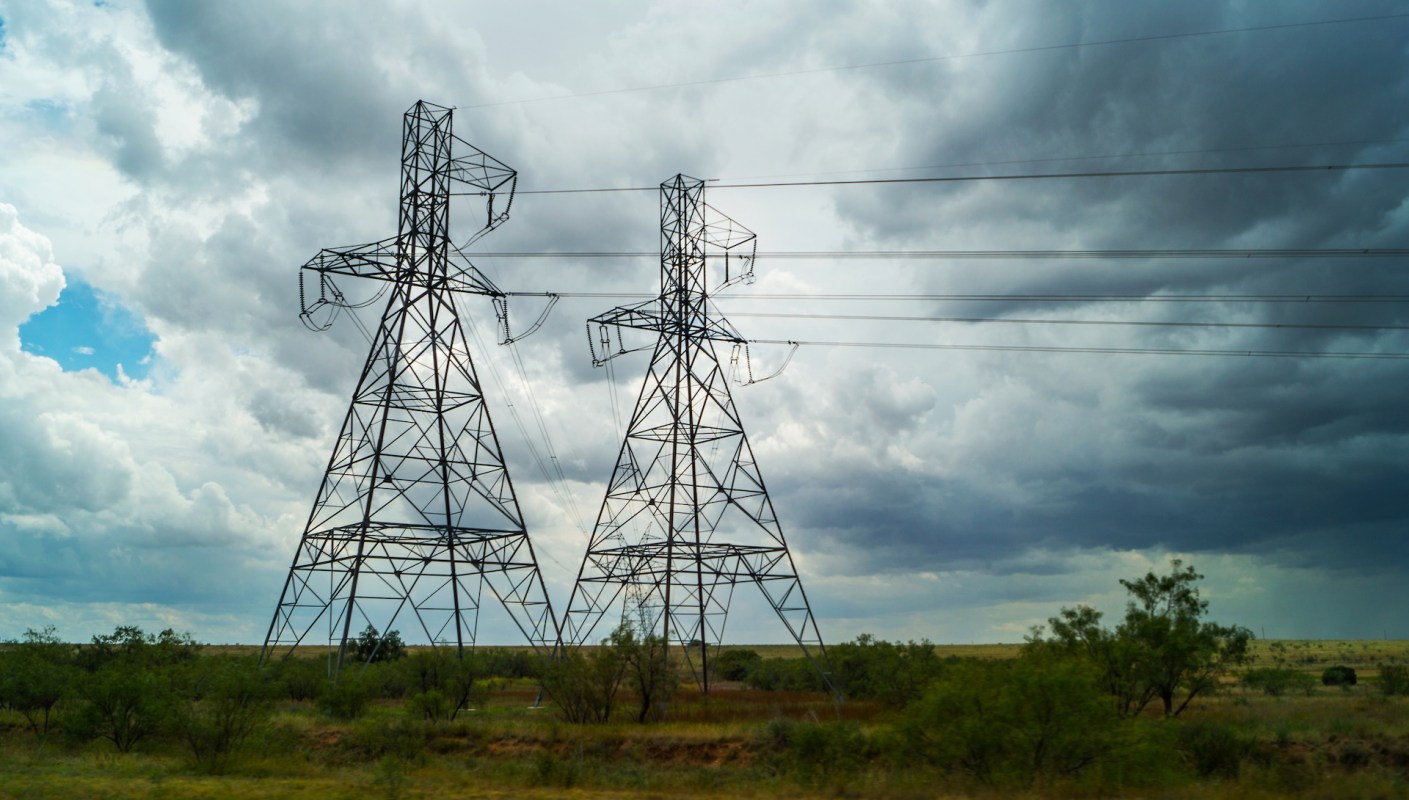
A proposed settlement could raise monthly electric bills by 7.7% for more than 191,000 Southwestern Electric Power Company customers in Texas. It would also allow the utility to collect the higher rate retroactively through a surcharge.
The agreement is drawing criticism because it is structured as a "black box" settlement, leaving customers facing another increase without a public, line-by-line explanation for each change.
Here's what to know
On October 14, 2025, Southwestern Electric Power Company, or SWEPCO, asked the Public Utility Commission of Texas for $95 million in additional base-rate revenue — a request that would have raised a typical residential bill by about 12%, or $16.43, according to the Energy and Policy Institute.
SWEPCO, Public Utility Commission of Texas staff, and all intervenors had agreed to scale that request back to $47.5 million, though the authorized return on equity would still increase from 9.25% to 9.53%.
Under the settlement, the customer charge would rise to $10.92, summer rates would be set at $0.11 per kWh, and winter rates would be set at $0.083 per kWh for the first 600 kWh and $0.068 for each additional kWh. SWEPCO said that for a Texas household using 1,000 kilowatt-hours per month, the average bill would go from $135.28 to $145.72.
Customers would also be billed at the higher rate through a surcharge back to March 2026, although a $28.5 million refund from a previous case would offset part of that amount. In addition, ratepayers would cover $10.6 million in legal expenses from the case over two years, including $1.6 million for Cities Advocating Reasonable Deregulation, or CARD.
TCD Picks » Quince Spotlight
💡These best-sellers from Quince deliver affordable, sustainable luxury for all




More background
Because SWEPCO is a vertically integrated utility that operates outside Texas' ERCOT system, it owns power plants along with transmission and distribution infrastructure. That means customers can face several layers of utility costs, including a full base rate case like this one and annual requests tied to transmission and distribution spending.
The previous SWEPCO base rate case, approved in 2022, increased monthly residential bills by 8.48%.
Meanwhile, profits have grown at both SWEPCO and its parent company, American Electric Power. AEP's net income rose from $2.48 billion in 2021 to $3.69 billion in 2025, a 48% jump, while SWEPCO's net income increased from $242 million to $391 million over the same period, a 61% gain. In 2025, the Energy and Policy Institute calculated that 17% of a SWEPCO customer's bill went to shareholder profit.
Critics say the "black box" format deserves scrutiny because it provides only overall totals rather than the detailed support behind each charge.
That can leave customers with higher bills and no clear public record showing whether the utility fully removed contested costs, including trade-group dues, political activity, and other overhead.
What's being done?
The settlement still needs approval from the Public Utility Commission of Texas, and a major question is which expenses the utility can recover from customers. Disputed items included $463,938 in dues to the Edison Electric Institute, a trade group for investor-owned utilities.
Testifying for CARD, Mark Garrett said SWEPCO did not appear to clearly distinguish dues tied to public benefit from those serving investor interests, and he recommended denying those charges. Public Utility Commission of Texas rules bar utilities from recovering legislative advocacy costs from customers, including advocacy expenses embedded in trade-association dues.
For its test year ending March 31, 2025, SWEPCO reported $890,851 in legislative advocacy spending and $315,787 in "non-deduct lobbying per IRS," while saying it was not seeking to recover those costs.
The utility also disclosed $547,954 in payments to registered lobbyists and asked to recover $403,365 of that amount, including nearly $400,000 in payroll for five SWEPCO employees registered as lobbyists.
SWEPCO said it handled the disputed EEI dues appropriately. Director of Regulatory Services Peter Kimani said, "While EEI does engage in advocacy, SWEPCO has already excluded or adjusted for the portion of dues attributable to lobbying, consistent with established regulatory practice and tax disclosure requirements."
Where can I learn more?
SWEPCO's case is part of a broader fight over rising power demand and what utilities can pass on to customers.
• In the West South Central region, cryptocurrency mining facilities are pushing electricity prices higher.
• In Texas, a new law would make rooftop solar and wind approvals harder.
• Utilities are channeling customer money into regional transmission lines as oversight concerns mount.
• PacifiCorp is seeking approval to bill customers for wildfire damages after devastating fires.
• Rolling back wind and solar could add $121 billion to Americans' electricity bills.

Get TCD's free newsletters for easy tips, smart advice, and a chance to earn $5,000 toward home upgrades. To see more stories like this one, change your Google preferences here.






