


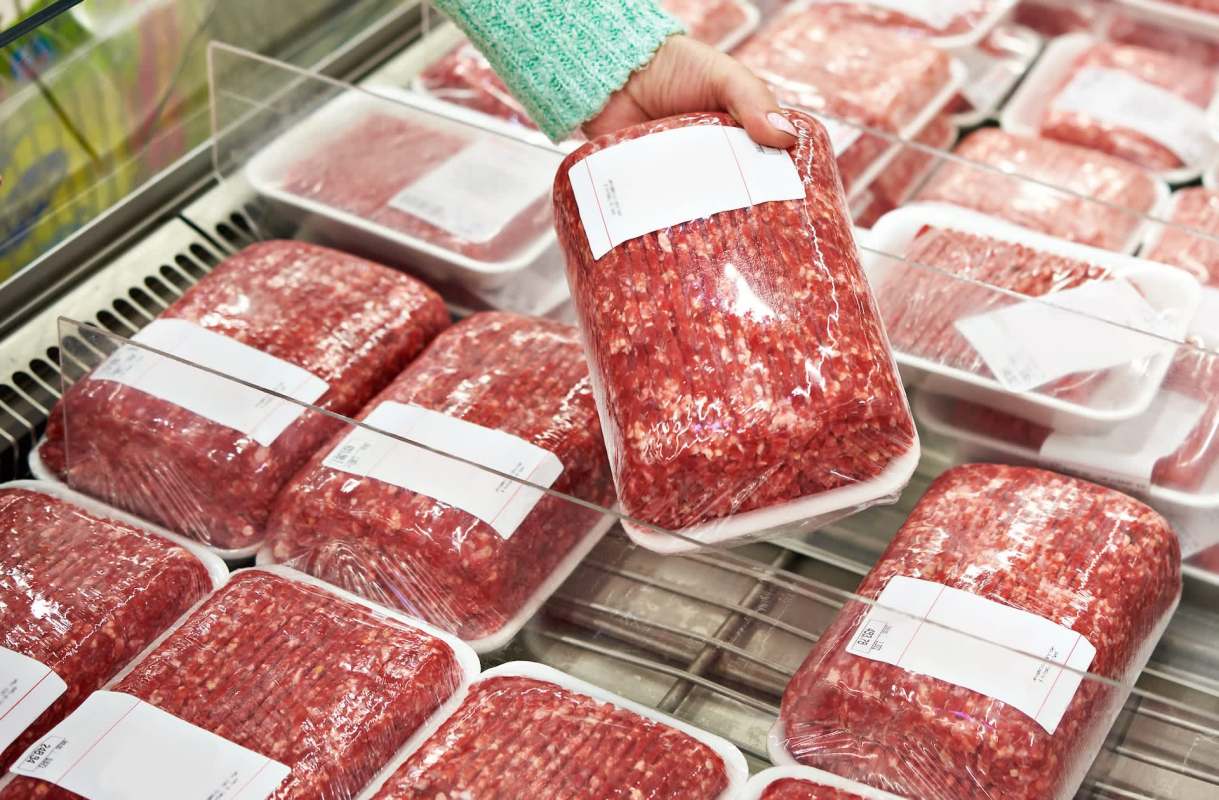
Ground beef prices are hovering near a record, and Texas ranchers say the strain starts long before shoppers reach the grocery aisle. In the Coastal Bend, drought, fuel costs, and a shrinking cattle herd are driving up the price consumers see on the label.
Here's what to know
According to KRIS 6 News, the higher price tag in the Coastal Bend is tied to several pressures, including a smaller cattle herd, drought, and fuel costs. In July, ground beef averaged $6.89 per pound nationwide, putting it just a cent shy of the record set in April.
For Mathis rancher Javier Gonzalez, the main issue is the limited cattle supply.
"The US is at a 75 year low on their herd. And their cattle herd, and I believe from 25 to 26, it's gone down another 4%," Gonzalez said.
An order signed by President Donald Trump calls for importing about 331,000 tons of beef, a move ranchers criticized because they say cheaper imports could weigh on U.S. prices. Gonzalez said he does not think it addresses the root problem.
More background
Dry conditions are creating another layer of pressure for ranchers. Gonzalez said the long-running drought has led some producers to sell cattle they would have preferred to keep because feeding and watering them has become too expensive.
TCD Picks » Quince Spotlight
💡These best-sellers from Quince deliver affordable, sustainable luxury for all




"I think what's hurt us more than what Trump did is, is this drought. And a lot of people are … taking their cattle to the market because of the drought, because of the cost of, of grass and fuel and things like that," Gonzalez said.
What's being done?
He said the import order may offer short-term relief for grocery shoppers, but he does not expect it to solve the U.S. cattle shortage.
Ranchers, Gonzalez said, are also looking for help lowering fuel costs.
"The way Trump attacked the cattle prices or is trying to uh resolve the, the cattle issue, the cattle shortage, we're hoping that he's gonna do something, maybe release reserves or do something to where we can get those fuel prices down, back down, cause it's definitely affecting us," Gonzalez said.
"I think, you know, what Trump is doing is just probably a temporary fix. I don't think it's gonna fix the cattle shortage entirely in the US," Gonzalez said.
Where can I learn more?
What Gonzalez is describing in Mathis is part of a much bigger problem. Drought, water shortages, and the smallest U.S. cattle herd in decades are tightening supply from several directions, pushing ranchers to sell cattle and keeping grocery prices high even as imports offer only limited relief.
• Across drought-stricken cattle country, severe drought keeps squeezing ranchers as beef prices hover near records.
• In Wyoming and Nebraska, no grass and no water pushed ranchers to sell cattle early.
• Nationwide, America's cattle herd sinks further, deepening the shortage Coastal Bend ranchers describe.
• Analysts warn beef prices from unexpected issues may stay elevated as heat and demand collide.
• Around Corpus Christi, new wells to combat water shortages highlight South Texas drought pressure.
Drought, shrinking herds, and water stress are all feeding into higher beef prices — and show why ranchers see the current squeeze as something that won't be solved quickly.

Get TCD's free newsletters for easy tips, smart advice, and a chance to earn $5,000 toward home upgrades. To see more stories like this one, change your Google preferences here.






