


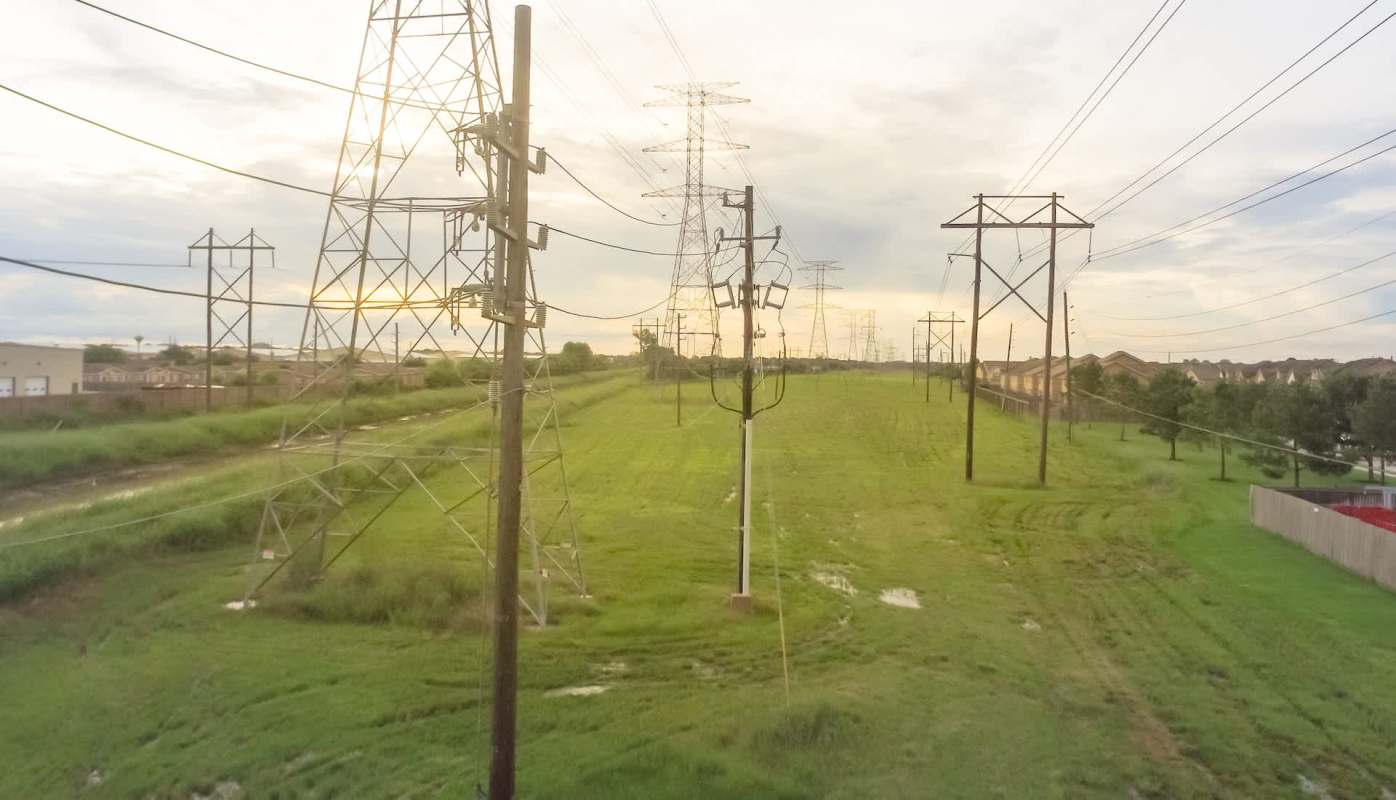
Texas households are facing triple-digit heat, higher costs to maintain the power system, and new strain on the grid from data centers all at once, according to KLTV.
In East Texas, some of that pressure is showing up in eye-popping monthly bills.
What's happening?
Using ElectricChoice data, KLTV reported that Texas residential electricity rates have increased by about 40% since 2020, rising from an average of 11.50 cents per kilowatt-hour to 16.11 cents per kilowatt-hour.
"We are seeing people come in with bills that are 6, 7, 800 dollars and are really struggling to pay them," said Andrea Wilson-Lobaugh, executive director of PATH in Tyler, per KLTV.
The Southwestern Electric Power Company, or SWEPCO, says the price increases are partly tied to the growing expense of operating and expanding the grid.
Mark Robinson, external affairs manager for the company, said, "We're about 25 to 30% lower than the national average here at SWEPCO. But everything has become more expensive, as everyone is painfully aware of."
TCD Picks » Quince Spotlight
💡These best-sellers from Quince deliver affordable, sustainable luxury for all




Another major challenge is the amount of electricity being sought by new data centers. Governor Greg Abbott paused new grid connections pending a state audit. His office said the Electric Reliability Council of Texas, or ERCOT, has 474 gigawatts in connection requests. Of those requests, 90% of them are tied to data centers.
Why are these issues concerning?
Power bills are among the most unavoidable household expenses. When electricity rates rise while summer temperatures stay above 100 degrees, there is less room to cut back without sacrificing air conditioning.
Utilities across Texas are still paying for infrastructure work after winter storms, and they're passing some of that cost along to customers.
As a result, bills can increase even before residents start leaning heavily on air conditioning.
As for the connection requests under review, they equal more than five times the grid's current peak demand. And as data centers pop up more around the country, everyday people don't want to pay for them.
What's being done?
Utilities say customers have at least a few options to reduce the shock of the highest seasonal bills. Robinson said SWEPCO and other providers offer billing plans meant to soften the effect of winter and summer peaks.
Robinson also noted, "We can help you blow in insulation inside of your attic, seal windows, check your HVAC. There are even rebates for lighting."
Those upgrades may not solve rising rates, but they can help lower cooling costs.
The state's pause on new grid connections also indicates Texas leaders are taking a closer look at how data center growth could affect the power system before adding more demand.

Get TCD's free newsletters for easy tips, smart advice, and a chance to earn $5,000 toward home upgrades. To see more stories like this one, change your Google preferences here.






