


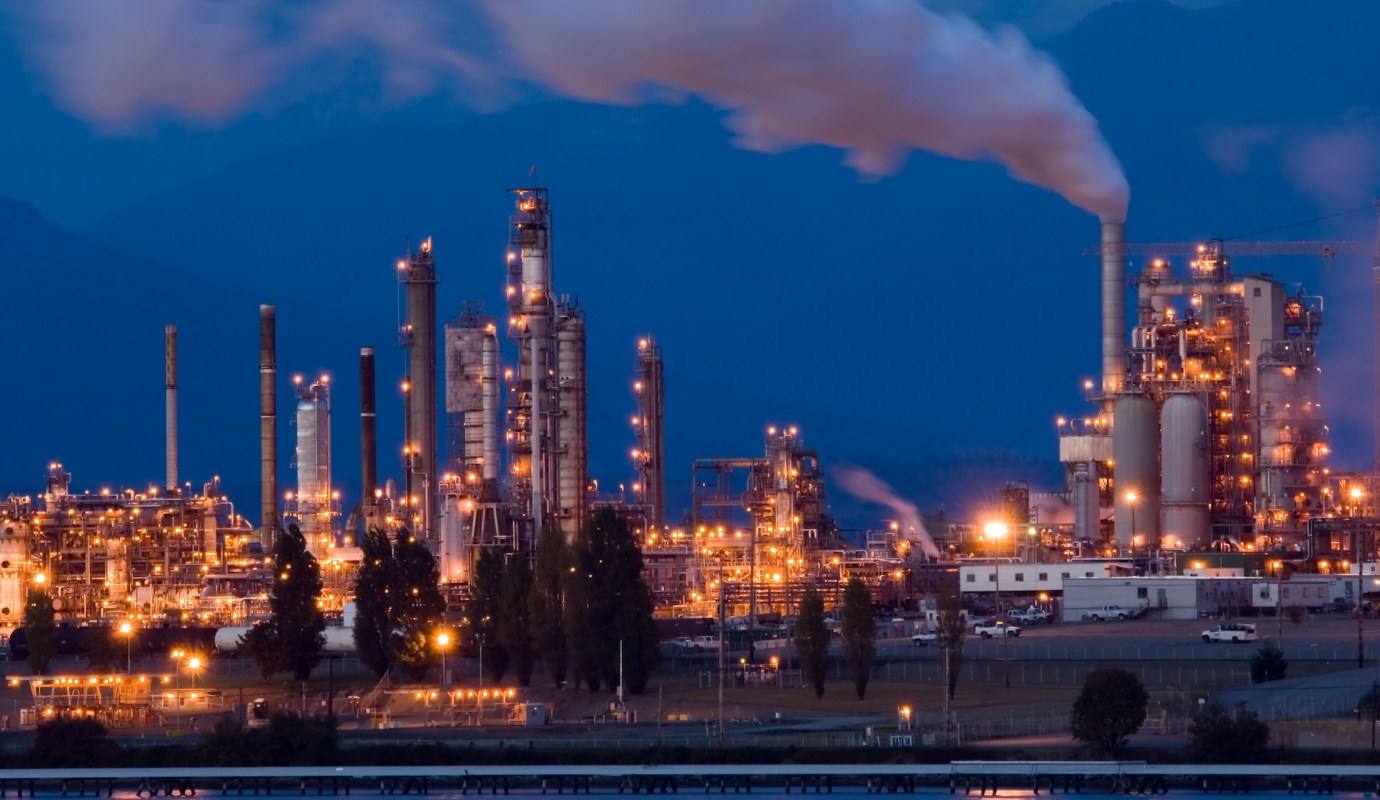
A proposed 90-day halt on diesel exports from President Donald Trump may squeeze the Texas refineries that supply much of the country's diesel, and the policy could leave fuel markets tighter instead of cheaper.
About 1.5 million barrels a day go to overseas buyers from Texas refineries. If that outlet closes, plants may have to reduce runs, which could affect supplies of diesel, gasoline, and jet fuel.
Here's what to know
As The Texas Tribune reported, Energy Information Administration data show Texas produces roughly one-third of U.S. diesel by processing about 6.3 million barrels daily, with about 1.5 million barrels exported. The Trump administration wants refiners to keep more of that fuel in the U.S. as prices rise during the U.S.-Iran war and ahead of the November midterm elections.
Industry groups say the proposal could backfire. Todd Staples, president of the Texas Oil and Gas Association, told the Tribune, "Banning exports of diesel would cripple domestic jobs, lead to fuel shortages here at home, and put power in the hands of China and Russia by forcing our allies to turn to those countries to meet their needs."
CITGO, which operates major refineries in Corpus Christi and Lake Charles, Louisiana, said it has about 690,000 barrels per day of refining capacity.
In a statement, a company spokesperson warned that "an immediate ban on diesel exports would eliminate outlets for approximately 1.3 million barrels-per-day of U.S. diesel and create a significant product containment challenge across the U.S. Gulf Coast, which supplies 90% of these exports."
TCD Picks » Quince Spotlight
💡These best-sellers from Quince deliver affordable, sustainable luxury for all




More background
Because much of the oil produced in Texas is light crude, refiners also bring in heavier crude from Canada and Venezuela, said Ramanan Krishnamoorti, who oversees energy and innovation at the University of Houston. He told the Tribune that heavier crude is better suited for making the diesel used by trucks and trains.
He said Gulf Coast refineries have been running at full capacity, but that could change quickly if export markets are cut off.
Krishnamoorti said refiners would have less reason to keep plants running at maximum levels if they can no longer optimize profits.
"Once they start to see that they're not going to be able to maximize profits, they have less incentive to find ways to keep their refineries going at full strength," Krishnamoorti said. "If they start to go offline … you start to see a roll-on impact on gasoline prices because it will be in short supply."
Extracting, refining, and burning diesel, gasoline, and jet fuel intensifies the extreme weather disasters that destroy homes, livelihoods, and local economies. Pollution from refineries and fuel combustion also contributes to asthma, heart disease, cancer, and premature death. Meanwhile, families are left coping with volatile energy costs while industry profits remain protected and cleaner, cheaper alternatives are pushed further out.
What's being done?
Gov. Greg Abbott issued a disaster declaration allowing dyed diesel — fuel normally reserved for farming and construction — to be used because it is functionally the same as standard diesel.
Refiners and trade groups are also challenging the proposed ban. CITGO said it relies on customers in the U.S. and abroad to keep production balanced and operations steady, and it warned that losing export access could force Gulf Coast plants to run less crude and reduce overall fuel supplies.
Opponents also said the U.S. lacks an easy way to redirect those volumes to buyers at home.
Jack Balaggia, who leads UT Austin's KBH energy center, told the Tribune the country does not have enough pipeline capacity to move that diesel efficiently across state lines. Staples has argued that the better solution is continued investment in "more production, pipelines, processing and refining."
"It sounds like a simple problem and a very simple solution, but it is not," Balaggia said. "It is very complex … We live in a world market for crude oil and crude oil product, you cannot isolate yourself from the world market. Putting all rhetoric aside, it's not going to work."

Get TCD's free newsletters for easy tips, smart advice, and a chance to earn $5,000 toward home upgrades. To see more stories like this one, change your Google preferences here.






