


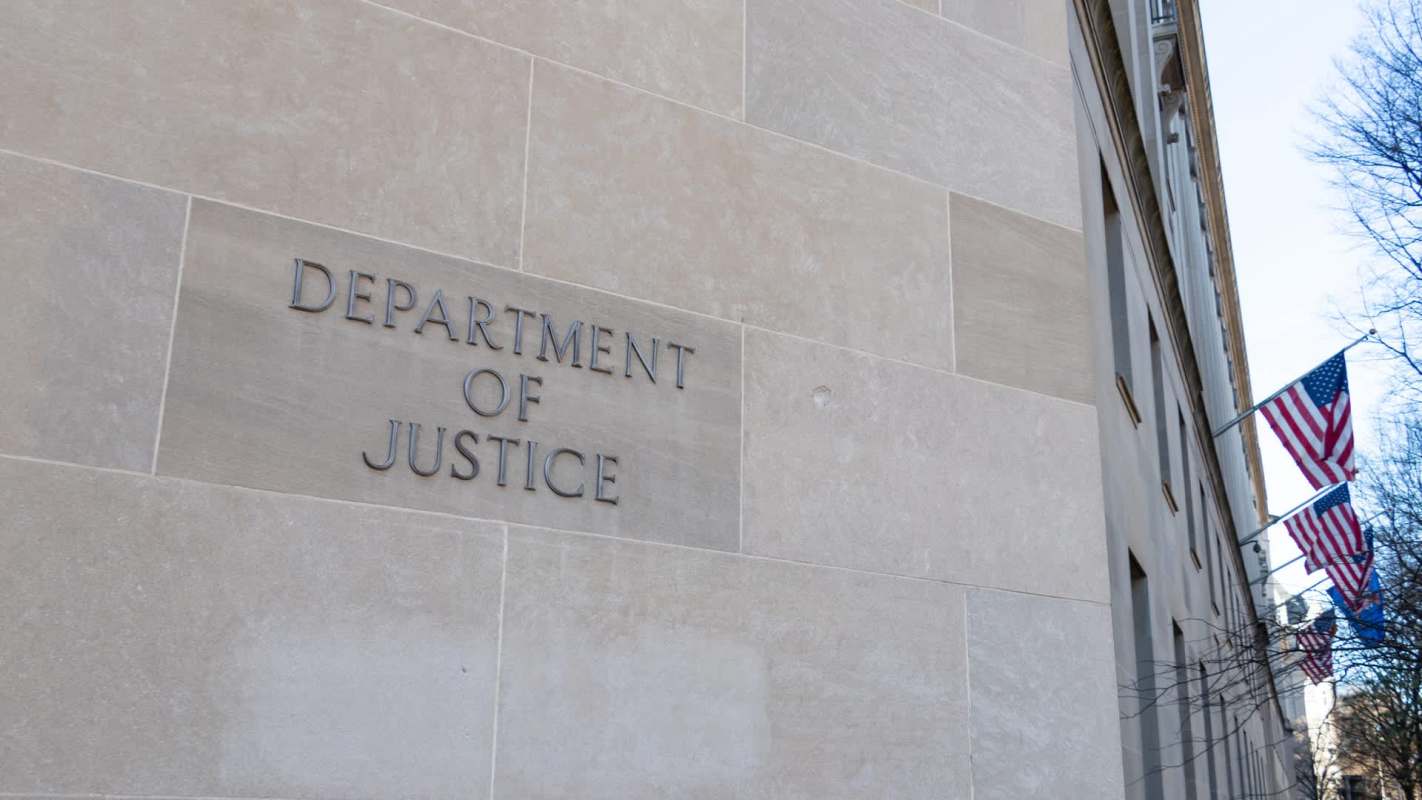
After pitching Black investors on a path to dramatic wealth with promises of 800% returns, a Texas couple is now headed to prison for decades.
As The Washington Post reports, the sentences mark another stage in the fallout from a $30 million fraud that stripped victims of savings, trust, and opportunity.
What happened?
This week, 39-year-old Marlon Moore and 38-year-old LaShonda Moore were each sentenced in federal court to 40 years in prison, according to the paper. Earlier this year, they were convicted of conspiracy, wire fraud, and money laundering tied to the Blessings in No Time program.
As part of the Moores' scheme, participants were reportedly sorted onto boards called fire, wind, earth, and water. A payout to someone already in the system depended on the recruitment of eight additional people.
Rather than building wealth for participants, authorities said, the program operated for about a year as a pyramid scheme that brought in roughly $30 million.
Federal officials said that the pandemic-era operation drew in more than 10,000 victims across the country, according to The Post. The Moores, who had previously appeared on an OWN reality show, reportedly told people that roughly $1,400 up front could become more than $11,000 within a matter of weeks.
TCD Picks » Quince Spotlight
💡These best-sellers from Quince deliver affordable, sustainable luxury for all




"This fraud scheme exploited people out of their hard-earned money at a time when they needed it most," Assistant Attorney General A. Tysen Duva said in a news release. "Opportunistic fraudsters like the Moores belong in prison."
Why does it matter?
That promise of quick riches can be devastating when it targets people trying to build businesses, protect retirement savings, or support their families.
Federal officials said the couple directed their pitch at Black investors, leaning on shared faith and cultural ties. They often prayed with participants while portraying the program as a way to achieve collective prosperity.
The Post reported that the program mirrored the tenets of a susu or sou-sou, an "informal savings tradition" across parts of West Africa, the Caribbean, and a number of immigrant communities. In the process, the fraud repurposed a mutual-aid practice into a source of financial harm.
Losses included more than $34,000 from 68-year-old Jennifer Ferguson, who cashed out bitcoin and drew on her savings, and $8,400 from Ty Thompson, a 53-year-old who hoped the money would help his trucking business, as The Post detailed.
"They played to that, saying, 'Hey, we're doing this only with Black people, we're trying to help the community,'" Thompson recalled to the paper. "They pushed that real heavily, and it was convincing."
"Instead of us being in the position I wanted us in, I am further back," Ferguson, who hoped to increase her retirement savings, told The Post. "I'm glad they have 40 years."
What can I do?
If someone says your money can grow by 800% in just a few weeks, approach with skepticism. The same goes for any opportunity that works mainly by bringing in a constant stream of new recruits.
Before handing over money, it helps to ask a basic question of where the return is actually coming from. If the answer depends on new members joining rather than a real product, service, or transparent investment activity, it is best to walk away.
It can also help to verify whether a person or company is registered with regulators and to check for complaints with state consumer agencies. Talking through an opportunity with a trusted financial professional, or even a wary friend, can help prevent a rushed decision.

Get TCD's free newsletters for easy tips, smart advice, and a chance to earn $5,000 toward home upgrades. To see more stories like this one, change your Google preferences here.







