


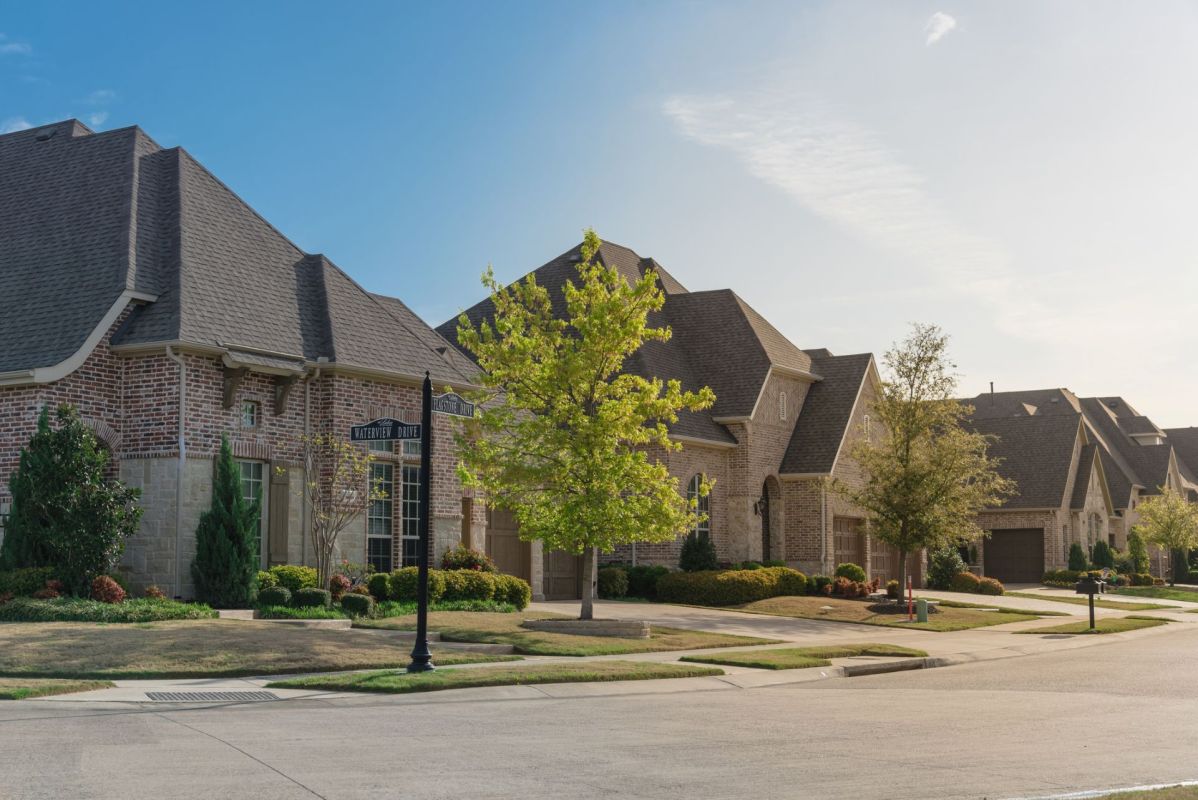
Texas has long marketed itself as a place where families can find more space, strong job prospects, and a lower cost of living. But a new national ranking suggests the state may be falling short on the mix of factors that make everyday life affordable, safe, and healthy.
Rather than landing near the top, Texas was placed in the bottom tier of states to live in, underscoring how complicated quality of life can be in one of the nation's fastest-growing states.
What happened?
According to MySA, WalletHub released the rankings on Aug. 10 after comparing all 50 states on measures such as education, public safety, quality of life, housing costs, and job opportunities. Texas finished 36th overall in the best-and-worst-states-to-live list.
The state was 35th on affordability, a striking result for a place frequently described as a less expensive alternative to states with steeper housing prices or taxes.
The lower affordability ranking points to pressure beyond rent or mortgage payments, including housing costs and other essentials.
Texas is often associated with growth, but WalletHub's report ranked it low on overall living conditions.
TCD Picks » Quince Spotlight
💡These best-sellers from Quince deliver affordable, sustainable luxury for all




Why does it matter?
Affordability, wages, schools, and public safety all shape daily life.
Affordability is often a deciding factor. A state can have a booming economy, but if housing and basic costs rise faster than wages, residents may still struggle to build savings, cover emergencies, or plan for the future.
When a state scores poorly on affordability or safety, it can influence where people choose to move, where businesses decide to invest, and how local governments prioritize spending.
Texas' No. 36 ranking comes as the cost of living has increased even as the state continues to attract newcomers. Growth alone does not guarantee a better standard of living.
What can I do?
Housing, insurance, utility, and commuting costs can vary widely across Texas cities and suburbs.
Pay, benefits, school access, and transportation can provide a more realistic picture than home prices alone.
At the community level, reports like WalletHub's can add pressure on policymakers and local leaders to address the issues that shape affordability and quality of life, especially housing, education, and public safety.
Total living costs extend beyond headline home prices, affecting budgeting, employment decisions, and where households choose to put down roots.

Get TCD's free newsletters for easy tips, smart advice, and a chance to earn $5,000 toward home upgrades. To see more stories like this one, change your Google preferences here.







