


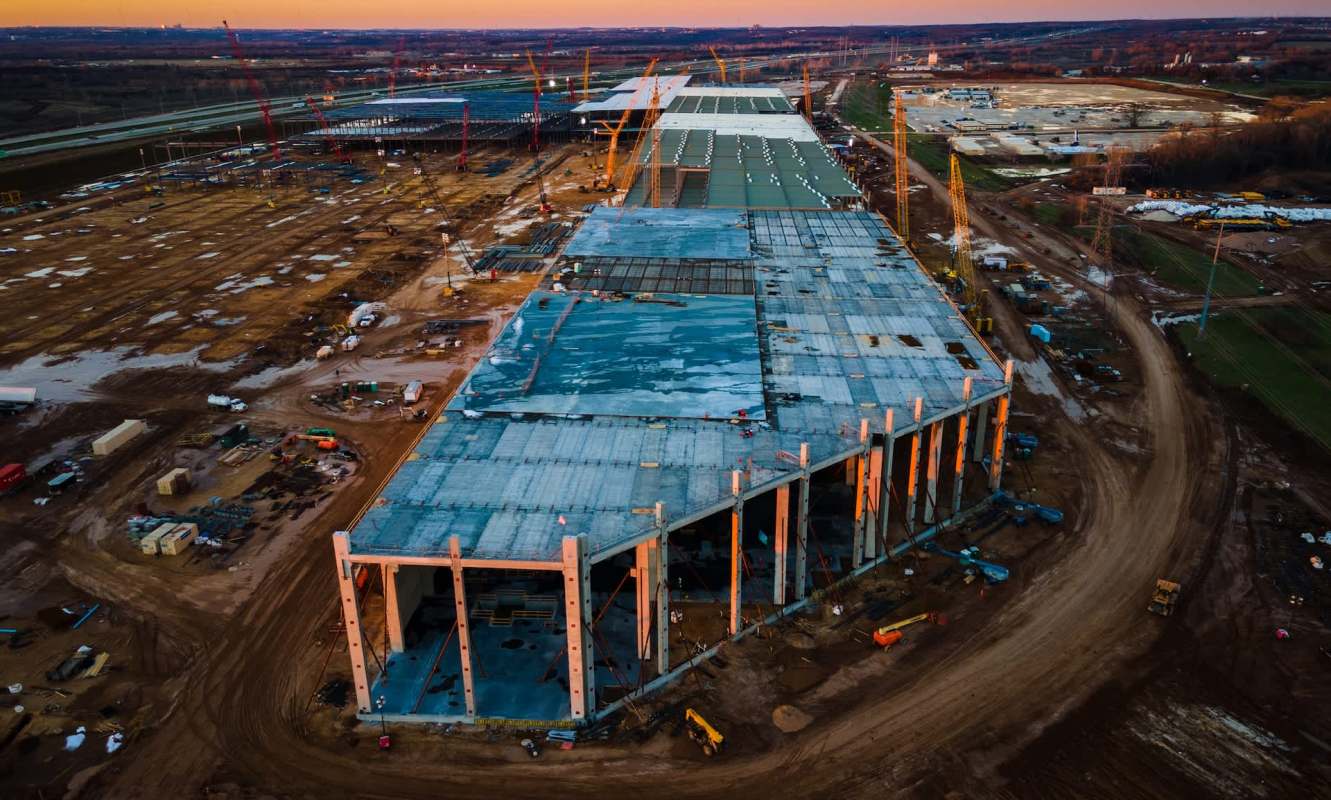
Tesla is seeking a 10-year school property tax break for a proposed $10.1 billion solar manufacturing plant in Texas' Fort Bend County.
The project could create 9,712 permanent jobs, according to Tesla's application, making the incentive decision a key step toward a major economic opportunity for the surrounding community.
Here's what to know
The proposed facility, called Project Crystal Sun, would occupy part of a 3,057-acre site where FM 1994 meets FM 762 in Lamar Consolidated Independent School District, according to Community Impact.
Texas offers the Jobs, Energy, Technology and Innovation incentive program, known as JETI. Tesla is seeking incentives as it decides where to locate the plant.
Under the proposal, school maintenance and operations taxes would apply to just 25% or 50% of the property's taxable value from 2029 through 2038, according to the district's project Q&A. Schools use that tax revenue to cover routine operating costs.
During construction, the property's taxable value for those purposes would be zero. Voters repay debt through interest and sinking taxes, which Community Impact reports would still assess on the property's full value.
TCD Picks » Quince Spotlight
💡These best-sellers from Quince deliver affordable, sustainable luxury for all




The district might be able to set a lower debt-service tax rate or use the expanded tax base to help repay its obligations.
More background
Tesla's application describes a factory that would produce photovoltaic solar cells and assembled solar modules, which turn sunlight into electricity.
Plans include production buildings, utility infrastructure, and storage facilities for both raw materials and finished products.
The proposed investment allocates $1.5 billion to real property and roughly $8.6 billion to personal property, according to Tesla's application. In addition to the permanent jobs expected by 2033, the application projects 1,147 temporary construction jobs and an annual payroll of $1.3 billion once the plant is fully operational.
The district's project website says pay for permanent positions would align with regional manufacturing benchmarks. The application lists the county's average annual wage at $121,953 and 110% of that figure at $134,148.
What's being done?
Participation in JETI depends on sign-off from all three decision-makers: Lamar CISD, the governor, and the Texas Comptroller of Public Accounts, Community Impact reported.
After a favorable recommendation from the comptroller, the governor and district each have 30 days to decide whether to enter an agreement. Approval can take place within a year of the comptroller issuing that recommendation.
Lamar CISD trustees discussed the application at a Sept. 10 workshop. The district scheduled a public hearing and board vote for Sept. 15, allowing residents to weigh in on the proposed incentives.
County commissioners also approved a five-year reinvestment zone near the proposed site on Aug. 24. According to county documents, the designation aims to spur property development, create business opportunities, and support employment.
Interim county judge Daniel Wong recused himself because his company is involved with Tesla, Community Impact reported.
If Fort Bend is selected, Tesla's application anticipates construction starting in 2026, completion in 2028, and commercial operations beginning in 2029.
"This project represents the culmination of more than 40 years of efforts by the county. One of our long-term goals have been to transform Fort Bend from a bedroom community into a major employment center. With more than 10,000 direct and induced jobs, this project could help us realize that goal," said Keri Schmidt, president and CEO of the Fort Bend Regional Partnership.
Where can I learn more?
Tesla's proposed factory puts U.S. solar manufacturing in focus, while other solar projects in Texas could affect household energy costs. These stories cover factory capacity, Tesla solar financing, potential household savings, electricity delivery costs, and Powerwall economics.
• U.S. solar factories promised a boom, but much capacity remains only on paper.
• A Tesla solar owner nears a final 10-cent interest payment as financing rates rise.
• A Texas solar project could cut annual electric bills by $1,000 for 10,000 Harris County households.
• Solar lowered power prices in Texas and California, but delivery costs kept bills rising.
• In Texas, a Powerwall owner says free nights could beat Tesla's $800 credit by $717.

Get TCD's free newsletters for easy tips, smart advice, and a chance to earn $5,000 toward home upgrades. To see more stories like this one, change your Google preferences here.






