


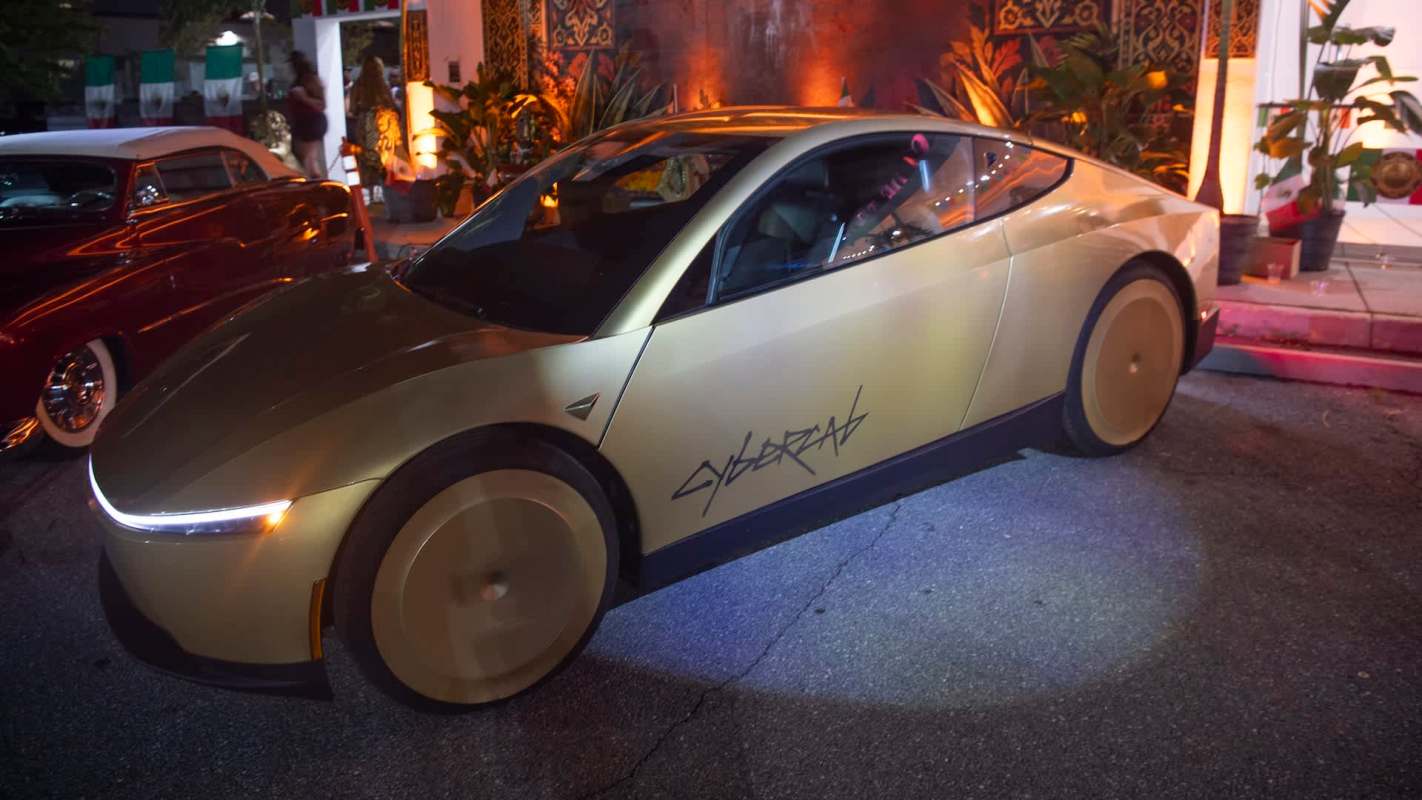
Tesla's Cybercab arrived in 2024 as Tesla's polished take on a driverless future. As the company tries to interest Austin buyers in fleets of two-seat robotaxis, detractors say the setup could shift much of the financial risk onto customers.
Here's what to know
According to Futurism, citing Electrek, Tesla has started sharing a Robotaxi interest form with people considering buying multiple Cybercabs to operate on Tesla's ride-hailing platform. Tesla would run the network and provide the autonomous driving technology, while owners would receive revenue from passenger fares.
The concept aligns with remarks Tesla CEO Elon Musk has made since at least 2018. Speaking to investors in 2018, he said he envisioned "the future as kind of a shared electric autonomy, so that you'd be able to do ride-hailing or share the car any way," and described it as "some combination of like Uber, Lyft, and Airbnb."
But not everyone is convinced the math works in buyers' favor.
Fred Lambert of Electrek said the economics seem to benefit Tesla more than the people buying the vehicles.
He said, "if running a fleet of Cybercabs were actually profitable, Tesla wouldn't sell you a single one."
TCD Picks » Quince Spotlight
💡These best-sellers from Quince deliver affordable, sustainable luxury for all




More background
At its 2024 unveiling, the Cybercab drew attention for its gold finish and relatively low advertised price, but it also prompted immediate skepticism.
Questions included its compact two-seat interior, the lack of a charging port, and the advertised $30,000 price.
A key part of Lambert's criticism is how much authority Tesla would keep over the business arrangement.
He said that Tesla "sets the split," leaving fleet owners to absorb the "capital cost and the depreciation, while Tesla keeps the software margin and its cut of every fare."
Musk has also argued since at least 2018 that self-driving Teslas could increase in value.
Unresolved safety and technology concerns also remain. Tesla uses a camera-only autonomous driving setup.
Meanwhile, the National Highway Traffic Safety Administration is scrutinizing the Cybercab and whether it "meets all applicable Federal Motor Vehicle Safety Standards."
What's being done?
Tesla is continuing to push ahead with its robotaxi ambitions in Austin, where the Austin American-Statesman reported that some local investors are eager to operate fleets. For the company, outside ownership could help it expand faster without forcing Tesla to absorb all the capital costs itself.
Those concerns may sound familiar to Tesla owners who paid large sums for Full Self-Driving before the company shifted to a subscription model.
Lambert said, "you don't own a business in that arrangement. You own the downside."
Where can I learn more?
The debate over who carries the risk in Tesla's robotaxi plan fits into a bigger pattern around the company's vehicle economics. Pricing, resale value, and weakening Cybertruck demand have fueled doubts about whether Tesla buyers are the ones left holding the bag.
• Tesla's Foundation Series exposed unexpected pricing pressure around the Cybertruck from the start.
• Early trade-ins revealed discouraging depreciation trends that rattled many Cybertruck owners.
• Across Tesla's lineup, major pitfalls of vehicle design kept fueling skepticism about demand.
• By 2021, sales finally captured public attention for all the wrong reasons.
That track record helps explain Lambert's warning that ownership can sound appealing right up until the math shifts. Anyone considering Tesla's Cybercab pitch should keep that history in mind.

Get TCD's free newsletters for easy tips, smart advice, and a chance to earn $5,000 toward home upgrades. To see more stories like this one, change your Google preferences here.






