


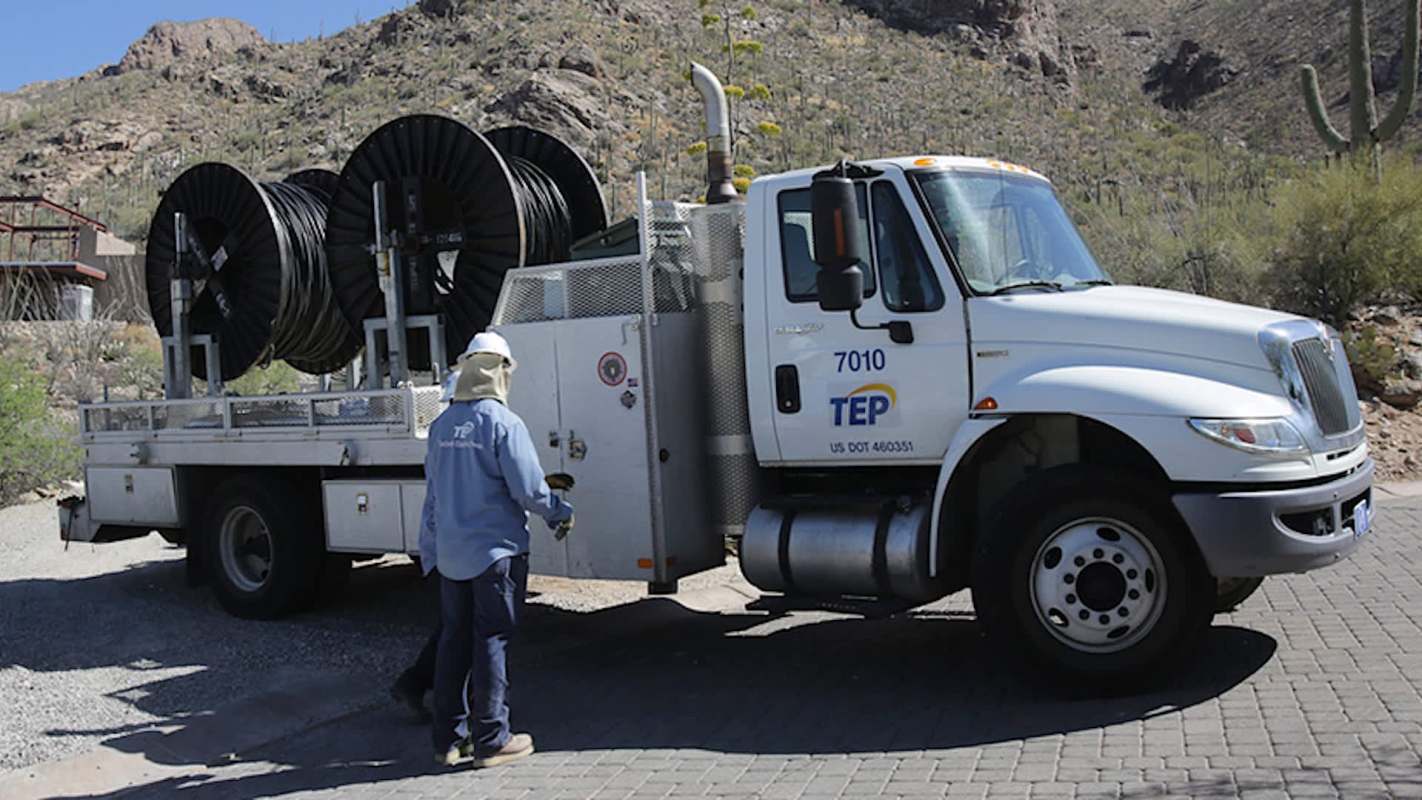
Tucson Electric Power customers could face a sizable jump in their monthly bills.
A recommendation now before state regulators would raise the typical residential charge by 11.2% if approved.
The same proposal would let rates update annually under a new formula, a shift that could make electricity costs harder to predict for Southern Arizona households planning for basic needs.
Here's what to know
According to Luminaria, the recommendation appears in a 278-page order issued October 20 by Administrative Law Judge Julia L. Matter. In that order, she urged the Arizona Corporation Commission to approve most of Tucson Electric Power's rate case, including a new Annual Rate Adjustment Mechanism, or ARAM. The commission is scheduled to review the recommendation at an open meeting on November 17, and the rates could take effect December 1.
Matter said TEP's rate design was appropriate, a finding that would push the average monthly residential bill up 11.2%. The utility had requested about a 13% revenue increase and said it had spent $1.7 billion on maintenance and service improvements since 2021, including the Roadrunner Reserve battery storage project.
For homeowners looking to offset rising utility costs, going solar is one of the best ways to save on home energy, and solar leases in particular can deliver hundreds of dollars in monthly savings with no upfront costs. Readers can use EasyHome to see their potential savings from vetted installers in their area.
More background
The recommendation followed a months-long case that included testimony and objections from public agencies. Arizona Attorney General Kris Mayes' office argued in testimony filed with the commission that "TEP can achieve the same reliability with just a 4% increase by aligning what customers pay with TEP's actual costs."
For households already managing rent, food, and the high cost of keeping homes cool in the desert, a double-digit increase in power bills could further strain essential budgets. Pima County, the City of Tucson, and the Residential Utility Consumer Office warned that a large hike would weigh on Southern Arizona communities.
Crushed by your bills? See instant solar savings from vetted installers in just a few clicks With energy prices through the roof, there's never been a better time to go solar — and EasyHome can help you find the best prices from the best installers in your area. EasyHome takes the guesswork and headaches out of energy upgrades by showing you estimated savings from a network of vetted local partners. To get started, just enter your ZIP and share a few details about your home — seeing your estimate is really that easy. |

The dispute is playing out alongside Tucson's wider argument over public power. A campaign led by the Democratic Socialists of America Tucson chapter has become a recurring topic in City Council discussions as voters decide whether to grant TEP a 25-year franchise to keep using city streets, alleys, and other public rights-of-way for its equipment. TEP is part of a group of utilities owned by Fortis, Inc., which the TEP website describes as Canada's largest investor-owned gas and electric utility holding company.
What's being done?
Joseph Barrios, TEP's manager of corporate communications, said annual updates under ARAM would still require the commission's approval. The recommendation said, "We agree that the ARAM will improve transparency and oversight, reduce administrative costs, eliminate several of TEP's adjustor mechanisms, likely allow TEP to access capital at lower rates for the benefit of customers, potentially result in rate decreases, and promote gradualism."
The proposed order also supports changes to TEP's Lifeline low-income program. Households earning no more than the federal poverty line would receive a 50% monthly discount, while households between 101% and 200% would get a 20% discount, according to Luminaria. Matter also suggested that TEP coordinate with anti-poverty group Wildfire to sign up more eligible residents in certain ZIP codes.
People can attend the November 17 commission meeting in person or by phone. Barrios said annual adjustments "would be based on filed documentation that describes the actual costs of maintenance, upgrades and other improvements for customers," and that the company offers payment extensions and other assistance.
EasyHome's free explorer tool can also help households weigh longer-term ways to protect themselves from future rate swings. EasyHome can also help readers explore backup battery storage, and pairing solar with a battery lets homeowners maximize savings and power their home with solar when the grid goes down.
Energy analyst Daniel Dempsey said the stakes extend beyond a single rate case. "It makes economic sense," he said, "because fighting these fights saves the whole community money when they [TEP] are going for excess increases – and they are always going to go for excess increases. It's their job."
Where can I learn more?
These stories add context on how utility and energy policy decisions can shape what households pay for power.
• In Arizona, regulators gutted energy efficiency standards that had saved ratepayers $1.7 billion.
• In Washington, a government proposal on grid access raised warnings about higher household power costs.
• PacifiCorp sought approval to bill customers for $1.7 billion in wildfire damages.
• In the U.K., regulators updated the price cap as gas and electricity bills climbed.
• Some households are turning to green power plans to lower electricity costs.

Get TCD's free newsletters for easy tips, smart advice, and a chance to earn $5,000 toward home upgrades. To see more stories like this one, change your Google preferences here.






