


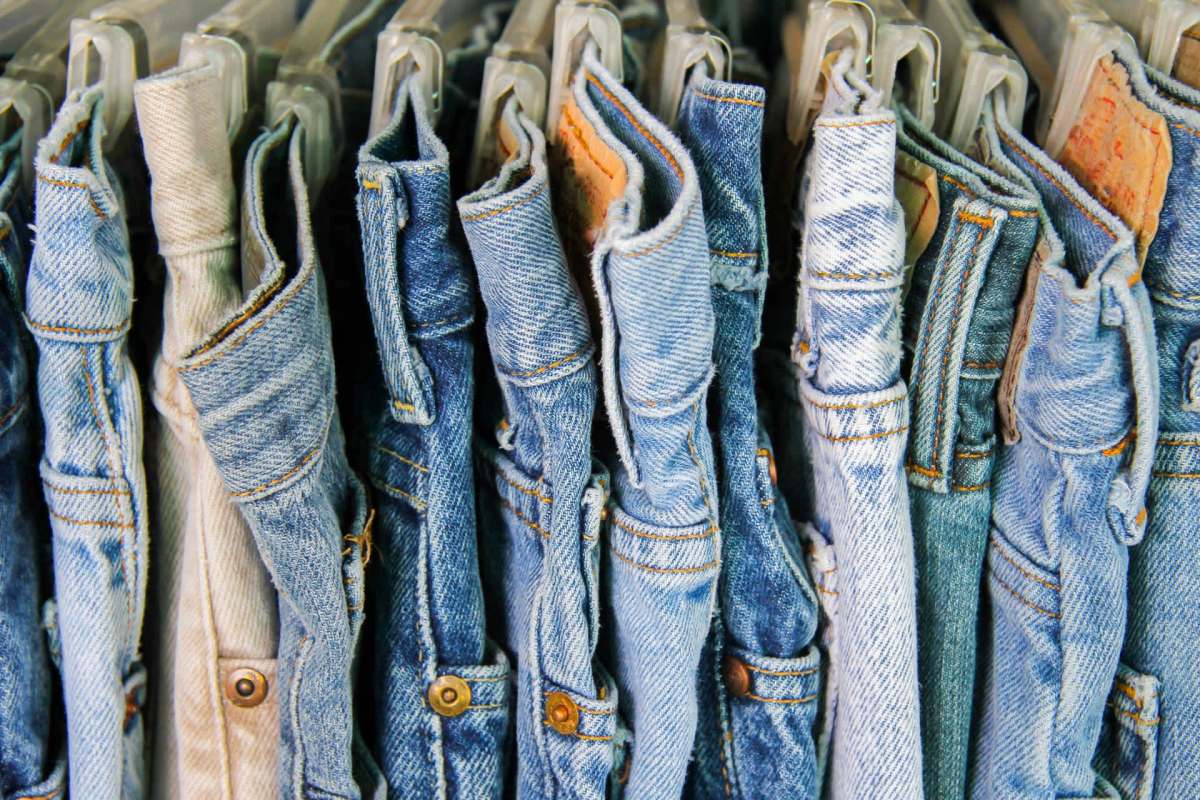
While many clothing brands market their jeans as eco-friendly, the complex global production process — involving cotton farming, dye houses, washing facilities, chemical treatments, and finishing techniques such as laser distressing — can carry a much larger environmental footprint than consumers may realize.
That complexity, experts say, can make jeans especially difficult to evaluate as a sustainable purchase, particularly when brands advertise greener lines even as fast-fashion retailers keep selling large volumes of low-cost, short-lived options.
What's happening?
An Associated Press report recently looked at the reasons why making denim sustainable remains so challenging.
The long-held debate gained new attention last week when Shein acquired Everlane, a brand associated with transparency and sustainability, highlighting the growing tension between ultra-low-priced, mass-produced clothes and more environmentally friendly manufacturing practices.
The supply chain issues start at the raw-material stage. Jeans are usually made from cotton, a crop that can demand heavy inputs of water, fertilizer, and pesticides. Beth Jensen, chief impact officer at Textile Exchange, told the AP that many brands still lack a precise picture of where their cotton comes from, and the fact that denim is produced across several countries can make labor conditions harder to trace.
After harvest, the fiber still moves through multiple industrial steps. The AP reported that cotton is spun into yarn, colored with indigo, woven into denim, sewn into jeans, and often treated to make the finished product look faded or distressed.
TCD Picks » Quince Spotlight
💡These best-sellers from Quince deliver affordable, sustainable luxury for all




Those stages can add further environmental strain through substantial water use, chemical applications, and practices such stonewashing that may rely on pumice shipped long distances — although some facilities are shifting to enzyme- and ozone-based alternatives.
Why does it matter?
Cotton cultivation can strain water supplies, and poorly managed dyeing or finishing operations can pollute waterways and contribute to air pollution.
The many stages and countries involved can also conceal labor abuse, meaning bargain-priced jeans may be tied to exploitative working conditions that shoppers never see.
Fast-fashion business models intensify the problem by pushing out large amounts of inexpensive, trend-focused clothing. The apparent savings often depend on high environmental and human costs, and lower-quality pieces frequently need replacing sooner.
Even labels trying to improve their methods run into real constraints. Designer Maria McManus told the AP that she stayed away from denim for years because she could not reconcile the wash stage with her standards.
"From a water and chemical perspective, it's very invasive," she told the AP.
When she eventually introduced jeans through a collaboration with Agolde, they still carried a price tag of nearly $700 per pair, partly because smaller runs with more carefully sourced materials cost more to produce.
What can I do?
Experts told the AP not to rely on reassuring marketing alone.
Instead, they said to see whether a company provides broader information about how it operates — including sourcing, factory locations, labor rights, and materials — rather than promoting sustainability in only one collection.
Third-party certifications may offer useful context, but no single seal proves a garment is fully sustainable. The AP noted that B Corp certification can shed light on a company's social and environmental practices, while Forest Stewardship Council (FSC) certification may matter for tree-based fibers such as lyocell, which is sometimes blended into denim.
The AP also suggested purchasing fewer pairs, keeping them longer, washing them less often, and choosing secondhand when possible.
The AP cited a Levi Strauss & Co. life-cycle assessment estimating that if about 1 in 10 Americans who planned to buy new jeans this year chose used pairs instead, roughly 1.5 billion pounds of carbon dioxide pollution would be avoided.
"The most sustainable thing you can do is use a product that's already been made," Jensen said.

Get TCD's free newsletters for easy tips, smart advice, and a chance to earn $5,000 toward home upgrades. To see more stories like this one, change your Google preferences here.






