


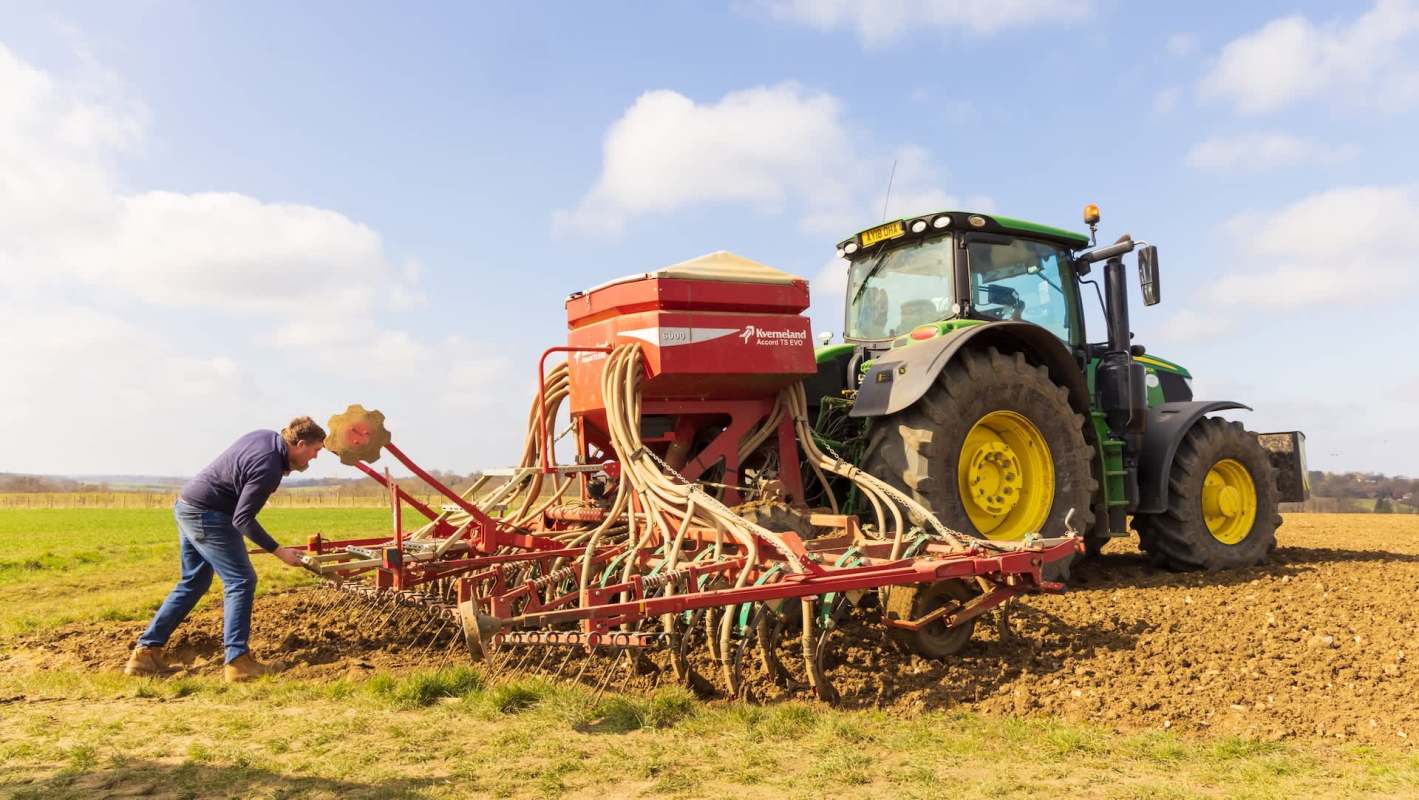
England's entire £233 million Sustainable Farming Incentive budget for 2026 was allocated in just six hours, leaving thousands of farmers shut out of support they had hoped would help protect soil, restore habitats, and keep their businesses afloat.
For many rural communities, the outcome wasn't just frustrating — it was a warning about how difficult it has become to plan for a safer, more resilient food system, according to The Guardian.
Here's what to know
Farmers could start applying to the 2026 SFI round at 10 a.m. on Sept. 22.
However, the scheme stopped taking applications by 4 p.m. after the budget was exhausted.
SFI took the place of older EU-style subsidies, with payments designed to reward public benefits such as healthier soil and nature stewardship rather than simply paying for land ownership or farming activity.
Calling the situation "unprecedented," Alice Groom, head of sustainable land policy at the RSPB, told the outlet that the funds depleted faster than anyone imagined.
TCD Picks » Quince Spotlight
💡These best-sellers from Quince deliver affordable, sustainable luxury for all




"We thought the money would go quickly but not necessarily in one day," she admitted.
For those who missed out, the impact was immediate: many had already been unable to apply after the program was halted in March 2025, and another round was not expected until 2027.
More background
The rush highlighted not just strong demand but also the pressures already bearing down on farmers.
Martin Lines, CEO of the Nature Friendly Farming Network, said many were already dealing with heat, drought, and higher fertilizer bills linked to the war in Iran.
SFI funding was also seen as a way for farms to invest in their future.
Questions about fairness quickly followed.
"Defra doesn't have a way of managing the budget," Groom noted. "SFI is supposed to be spent on meeting environmental goals and transitioning to environmental farming, but it's now first come first served."
What's being done?
There have been calls for the government to create a more predictable and transparent system before the 2027 round opens.
The National Farmers' Union urged officials to set out a plan quickly, especially after describing the season as the "toughest summer in a generation."
The government had already added an extra £50 million ($66 million) to the 2026 SFI pot, a funding boost announced by Prime Minister Andy Burnham.
The NFU welcomed the extra money but warned the total funding allocation remained too small.
Comparing the rush to a "scramble to get Oasis tickets," Vicki Hird, strategic lead on agriculture at The Wildlife Trusts, said the government "really needs to get the budget in order to ensure farmers have the funding they need for nature, food security and national security."
Groom warned that the shortfall could hurt progress toward mandatory conservation goals, including restoring 30% of nature by 2030.
"There will likely be thousands of farmers who haven't been able to apply for any funding, which will have implications for their ability to deliver for the environment on their farm," she observed.
"Lots of targets will be missed, we're really worried," Groom added.
Where can I learn more?
These stories show how farming and land policy decisions can affect both nature and rural livelihoods. They cover wildlife incentives, land-use reforms, and efforts to fight contamination.
• In California, conservation payments helped a declining bird population recover as habitat work took hold.
• In Denmark, leaders approved a sweeping land-use overhaul to rewet peatlands and expand forests.
• In Texas, lawmakers left farmers and ranchers without stronger PFAS safeguards for soil and water.

Get TCD's free newsletters for easy tips, smart advice, and a chance to earn $5,000 toward home upgrades. To see more stories like this one, change your Google preferences here.






