


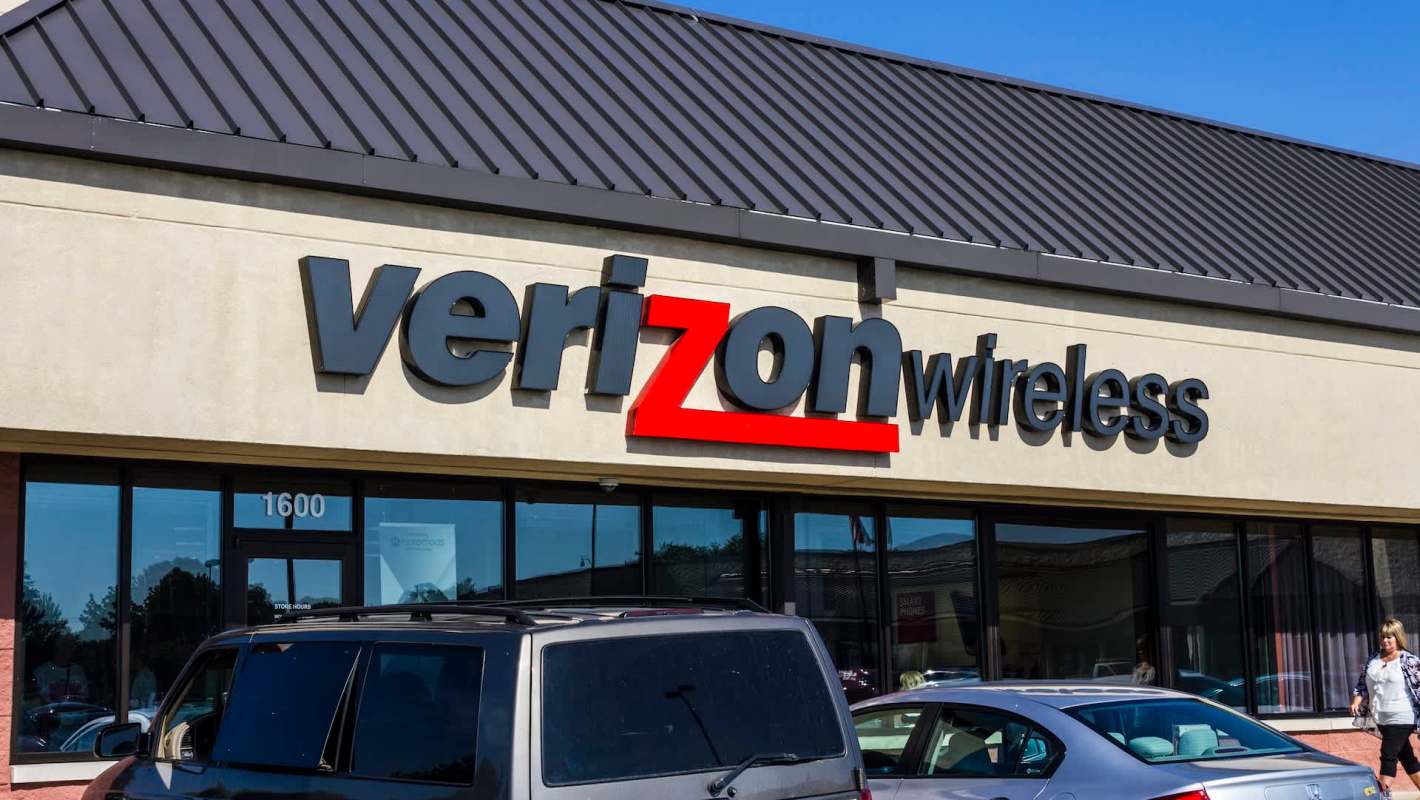
A Supreme Court setback for Verizon could mark the end of one chapter in a closely watched privacy fight over how phone companies handled customers' location data.
By refusing to take up Verizon's request, the justices left in place a $47 million Federal Communications Commission penalty connected to the carrier's disclosure of real-time device-location data without customer consent.
Here's what to know
In a routine order list, the Supreme Court turned away Verizon's petition and gave no reason for doing so. The move likely ended the company's remaining opportunity to win back the FCC payment.
As Ars Technica reported, Verizon, AT&T, and T-Mobile were fined a combined $196 million in 2024 after the FCC said they provided customers' live location information to data aggregators that later resold it to other businesses.
Earlier in the case, Verizon and AT&T said the FCC's fine process deprived them of their Seventh Amendment right to a jury trial. In June, however, the Supreme Court rejected that position in an 8-1 decision, concluding the companies could have obtained jury trials by declining to pay and waiting for the government to sue to collect.
The outcome leaves Verizon with no practical path to a refund. AT&T and T-Mobile, though, are still contesting related penalties from the same FCC action, including whether the underlying conduct violated U.S. telecom law.
TCD Picks » Quince Spotlight
💡These best-sellers from Quince deliver affordable, sustainable luxury for all




More background
The case hinges not just on the size of the fine but also on the business practice behind it. Real-time location data can reveal deeply personal details about people's daily lives, including where they go, where they spend time, and how they move through the world.
The FCC's case focused on carriers allegedly profiting from information many customers likely assume is protected, as the data came from devices many people carry with them at all times.
The case highlights privacy risks that do not come only from apps or unsecure websites. Major telecom companies, which many households rely on as essential service providers, can also make choices that expose sensitive information, and oversight can fall short.
Companies can face consequences when regulators determine that consumer data was mishandled, even as those companies keep fighting over the legal details.
What's being done?
The FCC imposed nearly $200 million in penalties, and the Supreme Court has twice taken steps supporting the agency's ability to stand by that enforcement action.
AT&T and T-Mobile are pursuing challenges, meaning courts may continue weighing how federal telecom law applies when carriers share or sell location information.
Users cannot control how a carrier handles network-based location data, and account settings, permissions, and data-sharing policies can affect their exposure.
The dispute adds pressure on telecom companies to treat customer information as something to protect, not as a revenue stream to be packaged and sold through third-party data brokers.
For Verizon, the court's order may be the point where its effort to undo the consequences of the location-data sale stops.

Get TCD's free newsletters for easy tips, smart advice, and a chance to earn $5,000 toward home upgrades. To see more stories like this one, change your Google preferences here.







