


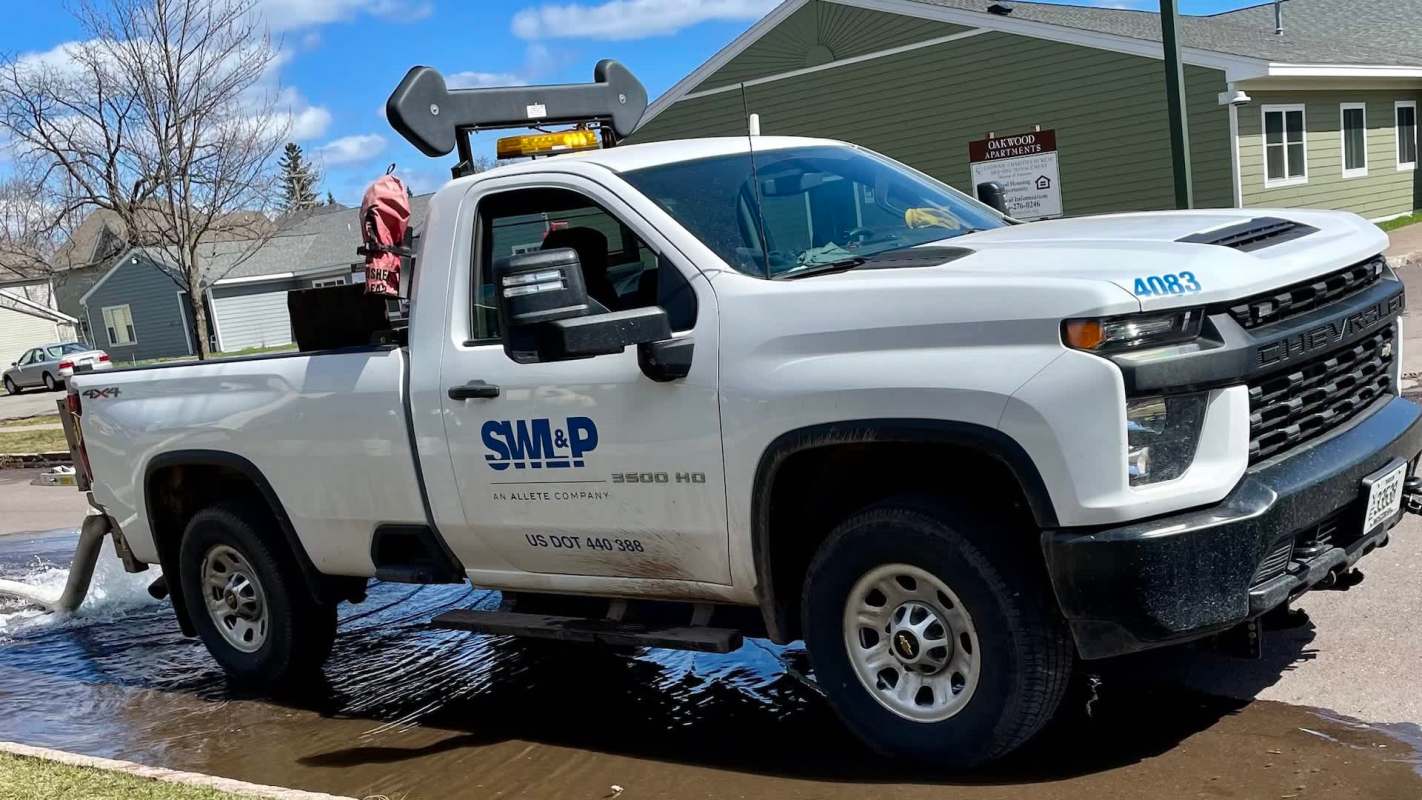
In Superior, Wisconsin, on the shore of Lake Superior, the world's largest freshwater lake by surface area, officials may soon ask voters whether the city's drinking water system should stay privately owned.
Local leaders say a municipal takeover of Wisconsin's only privately owned water utility could eventually lower rates and put the service under community control.
What's happening?
Superior Water, Light & Power has provided the city's water for more than a century.
Wisconsin Public Radio reported that the utility is part of Duluth-based Allete and is the only privately owned water utility in the state.
Mayor Jim Paine wants the city to acquire it, arguing that residents are charged too much for water drawn from Lake Superior.
"Not only do we have the only private water utility in Wisconsin, we have the most expensive water in Wisconsin. We have the most expensive water on Lake Superior. And that's because this is the only place where Lake Superior water is sold at a profit," he said, per WPR.
TCD Picks » Quince Spotlight
💡These best-sellers from Quince deliver affordable, sustainable luxury for all




The projected cost of a purchase is sharply disputed. A study commissioned by the city estimated about $58 million, while an analysis commissioned by Superior Water, Light & Power put the figure at roughly $137 million and added tens of millions more in startup and transaction costs.
Paine said the company would not get to set the final price on its own. Instead, he said, the matter would go through a state-regulated process handled by the Public Service Commission of Wisconsin.
Any takeover effort would first have to win voter approval in a referendum. Paine said that the vote could be scheduled during a regular election in November or next April.
Why does it matter?
The debate centers on household costs and who profits from an essential service.
Water bills are a recurring expense that families cannot simply eliminate from their budgets, so even modest rate reductions could make a difference.
Paine has said public ownership could lower financing costs because the city would be able to borrow through bonds at lower interest rates than the current private system charges.
"The city can absolutely afford it. In fact, we can't afford not to," he said. "But our interest rate will be 3.5 to 4%, less than half what we are paying now."
Public control could also bring greater local accountability for infrastructure decisions, maintenance, and planning.
What's being done?
For now, the next step is a referendum. Paine said putting the question before voters in a regular election would give residents time to learn about the proposal and consider its costs and benefits.
He also stressed that the city's estimate should not be treated as the final purchase price.
"The Public Service Commission is the independent body that will provide the true and final number," he said, adding that an outside review is already built into the legal process.
If voters approve the measure, the acquisition would enter a more formal regulatory phase, during which the state would determine the price and process. That means residents are not being asked to approve a completed sale right now — only whether the city should pursue one.
Before any takeover can proceed, "the people of Superior have to decide through a referendum."

Get TCD's free newsletters for easy tips, smart advice, and a chance to earn $5,000 toward home upgrades. To see more stories like this one, change your Google preferences here.






