


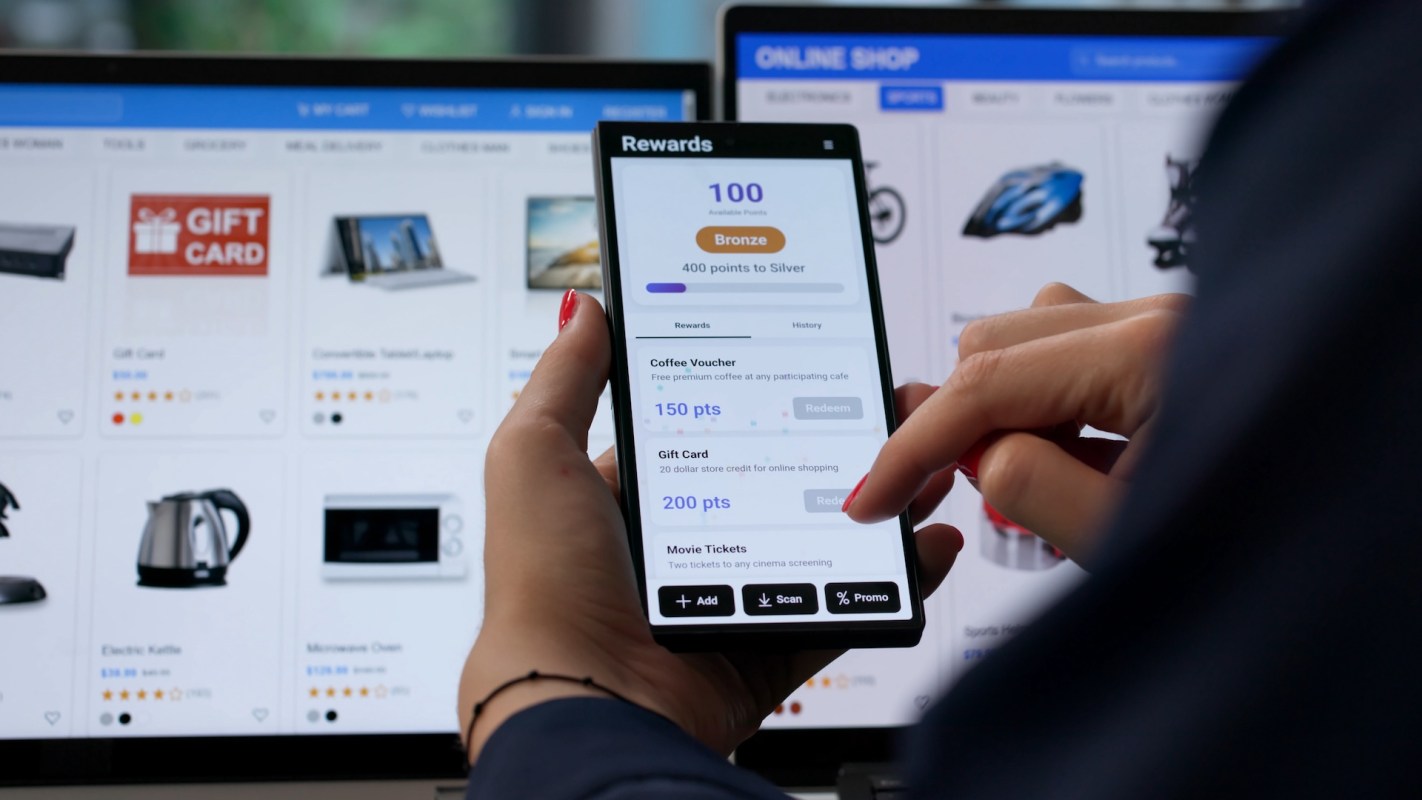
Store loyalty apps promise freebies and discounts, but a Reddit discussion suggests that savings may come at the price of data collection, with more pressure to spend and rewards that can take far too long to earn.
What's happening?
A Redditor said they had met someone who was enrolled in several rewards programs at almost every kind of retailer, including grocery, clothing, cosmetics stores, and more.
"If I'm going to buy I might as well get rewards," the woman told the OP — a mindset and lifestyle that became the focus of this Reddit thread on r/Anticonsumption.
That prompted the poster to look into several well-known programs, and they found the benefits to be weak at best, writing, "Starbucks wants you to spend like $50-100 before a free drink. Jersey Mike's is around $72 before you get a free regular sub, Ulta gives you $50 for spending $1."
That observation sparked a broader discussion about whether loyalty programs truly offer meaningful value. One commenter summed up the frustration bluntly, saying, "They're collecting and selling your data for big bucks in exchange for these pathetic offerings."
Another commenter suggested the programs are designed less to help people save and more to shape consumer behavior, adding, "They aren't making you do anything, but they are incentivizing people with breadcrumbs and people are falling for it."
TCD Picks » Quince Spotlight
💡These best-sellers from Quince deliver affordable, sustainable luxury for all




Why does it matter?
A reward is only useful if it actually saves money without encouraging someone to spend more in the process. Several commenters on the Reddit thread noted that points thresholds and expiring balances can nudge people toward purchases they would not have made otherwise.
A shopper may sign up hoping to save a few dollars on necessities, but the program can also steer them toward repeat purchases, add-on items, or stronger brand loyalty. The "free" coffee or discount may come with a hidden cost that jeopardizes privacy and encourages more spending.
Privacy was another major concern raised in the thread. Commenters repeatedly pointed out that even when rewards seem small, the data tied to them can be highly valuable. Purchase frequency and spending per visit can be tracked and used for targeted marketing.
What can I do?
Some replies focused on limiting how much personal information shoppers hand over. One commenter said, "This is exactly why I have a throwaway email address for these things." Others mentioned using separate contact information or limiting sign-ups to stores they truly shop at often.
If a program requires a high spending total before earning a small reward, it may not be worth the trouble — especially if it starts to influence your buying habits.
It can also help to focus on real, immediate savings instead of points that may expire. A simple discount on something you were already planning to buy is often more valuable than a future perk that hinges on continued spending.
For shoppers who do use loyalty programs, being intentional can make a difference. Opt in only when the benefit is clear, turn off app notifications that may trigger impulse purchases, and compare prices elsewhere before buying to ensure you are the one getting the advantage.
As one commenter put it, "The house always wins and all that."

Get TCD's free newsletters for easy tips, smart advice, and a chance to earn $5,000 toward home upgrades. To see more stories like this one, change your Google preferences here.







