


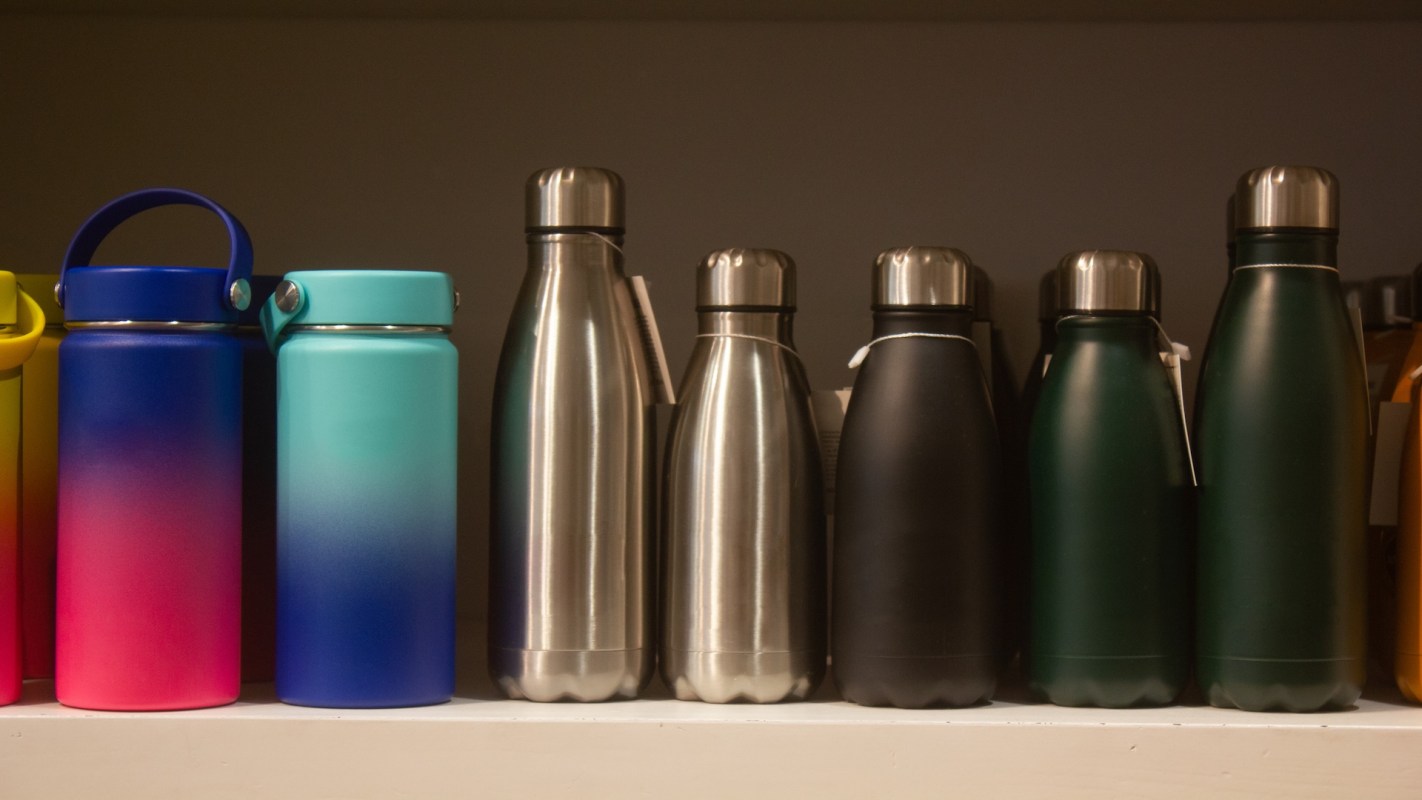
Starbucks' Snoopy tumbler craze is sparking frustration that a product meant to reduce waste is being marketed more like a collectible accessory with a shelf life measured in trends, not years.
That complaint drove a discussion on Reddit, where the post argued that "reusable" culture has drifted far from its original purpose.
Here's what to know
"The entire point of buying a reusable tumbler was to buy one, beat it up, use it for years, and avoid trash," the original poster said.
From there, they argued that travel cups are no longer being sold as long-term basics, but as rotating merchandise. Seasonal colors, holiday editions, and cartoon tie-ins, they argued, push shoppers toward replacing cups that still work.
As the original poster put it, "Slapping an 'eco-friendly' label on a business model that relies on constant seasonal drops is wild to me."
Other users focused on where those purchases often end up once the hype fades. A commenter at a public university said lost and found collects so many bottles and travel mugs that unclaimed ones are given away to students.
TCD Picks » Quince Spotlight
💡These best-sellers from Quince deliver affordable, sustainable luxury for all




Another commenter added, "And you will find them in thrift stores in about 6 months."
More background
A durable product only lives up to its promise if people actually keep using it.
When companies attach scarcity and status to those products, the environmental message can get muddled quickly. The focus shifts from replacing disposable items to collecting multiple versions of the same thing. That can mean more manufacturing, more packaging, and more clutter for shoppers who were told they were making the responsible choice.
The same pattern came up in the thread beyond drinkware. After one commenter described a refillable deodorant brand that began with a "buy one case once" idea and later moved into limited-edition cases and collaborations.
The original poster replied, "Once a company sells you the durable base, their only way to keep quarterly profits growing is to convince you that you need a Halloween-themed case for your armpits."
The discussion also touched on what collectors could support instead. The OP suggested that people who genuinely enjoy cups might do more good by buying from ceramic artists in their own communities than by chasing mass-produced branded releases.
What can be done?
For replacements, secondhand options were a recurring suggestion. The original poster said, "Thrift stores are practically drowning in them at this point. Grabbing them second-hand for $5 is honestly the only way that makes sense."
That approach can save money while keeping another usable item out of the waste stream.
For the original poster, the issue came down to manufactured obsolescence: "Marketing just convinces people that a perfectly working item is socially 'expired' after six months."
Where can I learn more?
Drinkware and coffee branding can turn sustainability into just another shopping cycle.
• At Michaels, a display of bizarre products turned reusable mini tumblers into disposable-looking merch.
• At Starbucks, widely recyclable plastic cups often still miss the recycling stream entirely.
• A bulk coffee order proved eco-friendly packaging claims can still arrive wrapped in waste.

Get TCD's free newsletters for easy tips, smart advice, and a chance to earn $5,000 toward home upgrades. To see more stories like this one, change your Google preferences here.






