


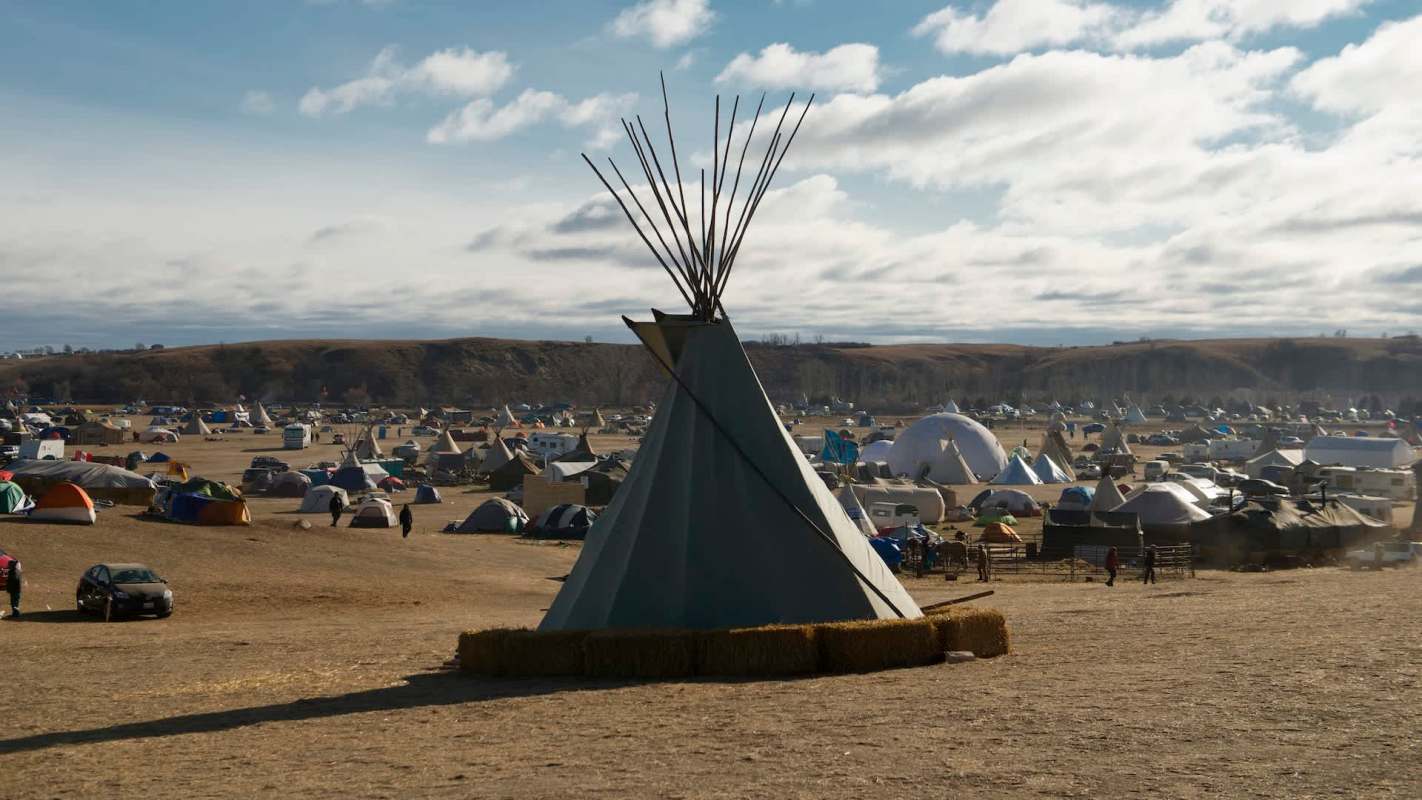
The Standing Rock Sioux Tribe is back in federal court, seeking to stop the Dakota Access Pipeline from carrying oil beneath the Missouri River just upstream of its reservation as a nearly 10-year dispute continues.
At issue in the new case is the federal approval for that crossing, which the Tribe said moved ahead without adequately addressing spill dangers, its drinking water, or treaty-protected rights.
Here's what to know
In U.S. District Court for the District of Columbia, the Tribe sued the U.S. Army Corps of Engineers, the U.S. Pipeline and Hazardous Materials Safety Administration, and three federal officials, asking a judge to throw out the Army Corps' easement for the river crossing and cancel spill-response approvals for that segment.
As North Dakota Monitor reported, the legal battle dates to the massive 2016 and 2017 protests near the Missouri River crossing, where thousands gathered to oppose a project the Tribe said could threaten its water supply if the line ruptures. A federal judge later required a fuller environmental review in 2020, though the pipeline has remained in operation since mid-2017.
The pipeline typically carries 500,000 to 525,000 barrels of oil a day from North Dakota's Bakken oil field to Illinois. North Dakota Pipeline Authority director Justin Kringstad said the line's operating capacity is 750,000 barrels per day, while the environmental review examined as much as 1.1 million barrels per day — a level the Tribe argues would change spill-volume and emergency-shutdown risks.
More background
According to the complaint, the Army Corps' final environmental impact statement from December 2025 left key questions unresolved about pipeline safety, spill response, treaty rights, and risks to Standing Rock's only source of drinking water.
TCD Picks » Quince Spotlight
💡These best-sellers from Quince deliver affordable, sustainable luxury for all




In court papers, the Tribe said, "The Tribe files this action to require the defendant agencies to respect the Treaty rights and sovereignty of the Tribe and to protect the waters of the Missouri River and the ancestors resting at the water's edge."
The Tribe says a failure at the river crossing could directly affect health, water access, and daily life on the reservation.
This is not the Tribe's first court challenge. Standing Rock sued the Army Corps in 2024 over the ongoing environmental review, but a judge dismissed that case in 2025, and the Tribe dropped its appeal.
What's being done?
Beyond attacking the Army Corps' easement, the lawsuit also asks the court to revoke the pipeline safety agency's spill-response approvals and stop oil from moving through the river section unless those plans meet federal law. The case therefore challenges both the permit itself and the line's emergency planning.
There has been little public response from federal agencies and industry. The pipeline safety agency would not comment on the case, and Army Corps and Energy Transfer officials did not respond to emailed requests for comment. State and industry officials have long defended the project as necessary infrastructure, and Energy Transfer has described the line as exceptionally safe and said it lies no less than 95 feet beneath the riverbed.
A first-time renewable energy event at Standing Rock brought together tribal citizens, council members, and others who took part in the protests to reflect on the decade since the demonstrations and on how the community has carried on despite not stopping the pipeline.
"We should not have to live with unanswered questions about the safety of our water," Standing Rock Sioux tribal chairman Steve Sitting Bear said, per the North Dakota Monitor.
Where can I learn more?
Pipeline and fossil-fuel disputes are occurring across the United States, with affected areas concerned about pollution, water supply contamination, and the destruction of land.
• The Justice Department said Enbridge lacks any legal right to keep Line 5 on tribal land.
• Federal judges found Tennessee's proposed gas pipeline posed concerns of irreparable harm to communities.
• In North Carolina, residents warned Transco's expansion posed serious environmental danger from added air pollution.
• In Ohio, officials approved drilling in state parks despite angry public opposition and a fraud probe.

Get TCD's free newsletters for easy tips, smart advice, and a chance to earn $5,000 toward home upgrades. To see more stories like this one, change your Google preferences here.






