


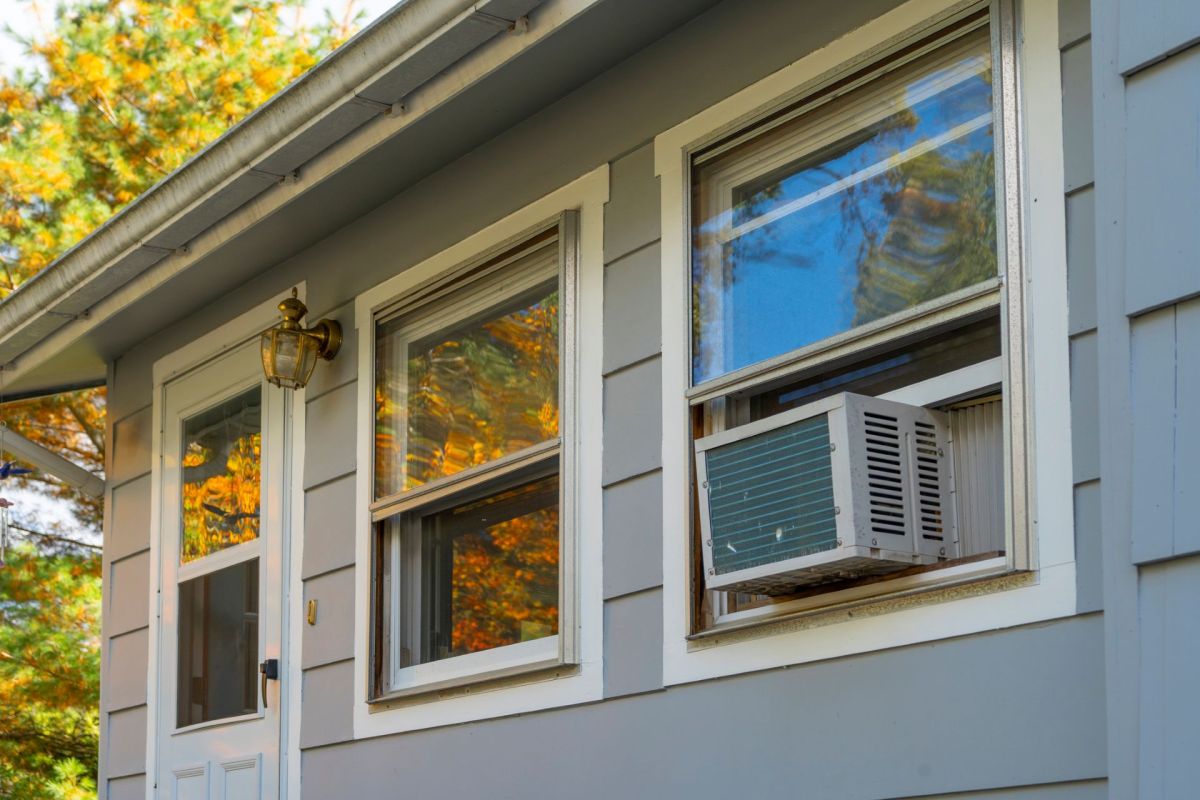
A Spokane proposal meant to shield renters during extreme heat could saddle landlords with significant new costs.
If the measure passes, landlords may have to provide "adequate cooling" in every room across tens of thousands of rental homes, and estimates put the total upgrade bill somewhere between $124 million and $360 million.
What happened?
According to The Center Square, Spokane's City Council first put forward the cooling requirement in April, with enforcement beginning in 2031. A July 15 draft agenda swapped out an 80-degree Fahrenheit indoor threshold for language focused on whether conditions are "sufficient to avoid risks to tenant health."
In a recent op-ed, Steve Corker, a Rental Housing Association of Washington regent, former council member, and longtime landlord, wrote: "More than 60% of our rentals predate 1980, with electrical panels never sized for that kind of cooling load. Bringing one of those buildings into compliance can cost $9,000 to $15,000 a unit."
Depending on the estimate used, the rule would cover between 23,000 and 40,000 rental units.
Using those figures, the total price tag rises into the hundreds of millions. The council has said the ordinance is meant to help avert deaths like the 19 linked to the 2021 Northwest Heat Dome.
TCD Picks » Quince Spotlight
💡These best-sellers from Quince deliver affordable, sustainable luxury for all




Why does it matter?
Hotter summers can pose serious risks for renters, especially older adults and people with cardiovascular or respiratory conditions.
Councilmember Kate Telis defended the proposal, saying, "The heat that's required to have adverse health effects will depend on the tenant."
Housing providers warn that an unfunded mandate could have broader consequences.
Kevin Schilling, government affairs director for the Rental Housing Association of Washington, told The Center Square, "There's a balance that needs to be struck in understanding what private property owners are capable of doing right away versus what sort of partnership there needs to be with the city."
Opponents also argue that the added compliance costs could shrink rental supply or be passed along through higher rents.
What's being done?
As the debate continues, council supporters have described the proposal as a potentially life-saving response to rising temperatures. Landlords, property managers, and business groups, meanwhile, are pressing for more specific standards, financial assistance, or both.
In June, Darren Watkins, a government affairs director for Spokane Realtors, said: "Since the introduction of this ordinance, [our members who are rental property managers] have seen a 15% drop in their customers, who are taking them out of the rental stock and putting them into the open market."
Schilling also testified with representatives from Catholic Charities, Volunteers of America, and other housing providers, arguing that the policy is an unfunded mandate.
For renters, this is also part of a broader pattern: Landlords around the country have been noted blocking money-saving lifestyle changes, including gardening and hanging clotheslines to dry laundry.
Councilmember Michael Cathcart, who opposes the ordinance, said, "It's essentially written to go to court," while Telis argued, "No one's going to have adverse heat effects at 75 [degrees], probably, but some may have it at 80, but most may not, so that's the reason for the ambiguity."

Get TCD's free newsletters for easy tips, smart advice, and a chance to earn $5,000 toward home upgrades. To see more stories like this one, change your Google preferences here.






