


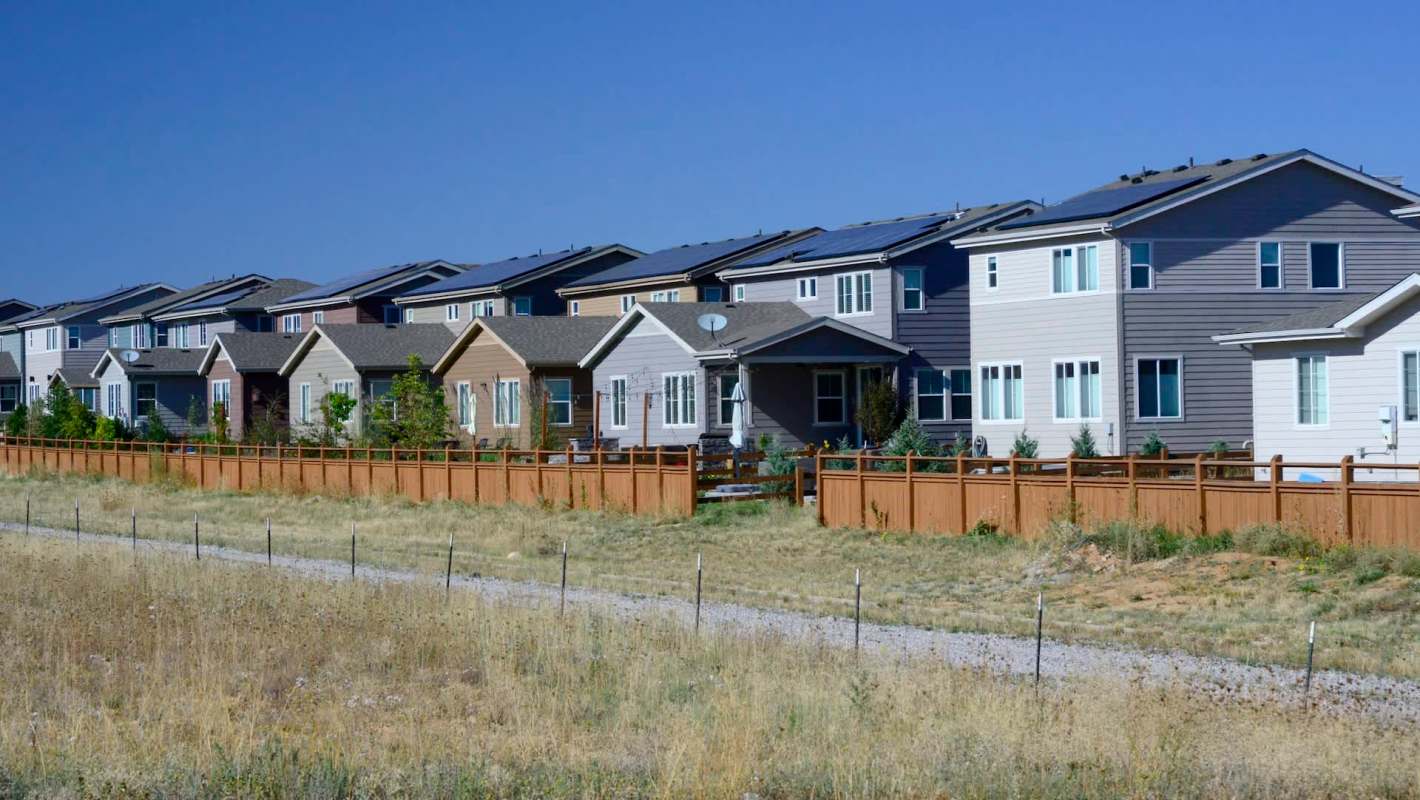
Colorado Springs homeowners with rooftop solar say a proposed utility billing change could sharply reduce the savings that justified installing panels.
If approved, Colorado Springs Utilities estimates solar customers would pay roughly $500 more annually starting in 2032.
For residents who spent tens of thousands of dollars on solar, the dispute centers on whether a city-owned utility can change the terms after households have already invested in cleaner energy.
Here's what to know
Customers in the city's net-metering program currently can apply extra solar generation to later electricity use at the same value, including power used overnight or during the winter. According to Colorado Public Radio, the Colorado Springs City Council informally supported changing that arrangement.
Instead of continuing those equal-value credits, the proposal would shift customers to billing that more closely follows Colorado Springs Utilities' Energy Wise rates, which are higher on weekdays during the 5-9 p.m. peak window. Resident Wendy Crawford told council, "We would not have made the $40,000 investment in solar if we knew then that CSU would not stand behind their net metering agreement."
Going solar is still one of the best ways to save money on home energy, even as Colorado Springs debates a policy that could add roughly $500 a year for some customers. Homeowners who want to run the numbers can try EnergySage to get free solar installation estimates and compare quotes.
Colorado Springs Utilities chief financial officer Tristen Gearhart argued that the current setup allows solar users to swap lower-cost midday electricity for power that can cost four times more during peak demand. He said, "(Solar customers) are not paying for all of the infrastructure that they're using during those peak times that we have to build."
More background
Rooftop solar often relies on net metering to make the math work for homeowners. Colorado Springs Utilities says its current rules allow "net daytime generation to be used at night, and net summer excess to be used during the winter months." That lets families match solar production with when they actually need power.
Save $10,000 on solar panels without even sharing your phone number Want to go solar but not sure who to trust? EnergySage has your back with free and transparent quotes from fully vetted providers that can help you save as much as $10k on installation. To get started, just answer a few questions about your home — no phone number required. Within a day or two, EnergySage will email you the best local options for your needs, and their expert advisers can help you compare quotes and pick a winner. |

Utility officials say that arrangement shifts grid costs onto neighbors without solar because the city still has to maintain enough infrastructure for evening peaks. Gearhart told council that electricity use among solar customers runs roughly 30% higher than that of non-solar customers, saying many add electric devices to use their credits.
Critics say the proposed change could chill future adoption and slow progress toward a more affordable, cleaner local energy system. Councilor David Lienweber, who has solar panels, said, "I'm starting to get to the place where they have a third option, which is even better, and that is to unplug their solar and just go non-solar."
What can be done?
Colorado Springs Utilities laid out two pathways for net-metering customers. One would add a $1-per-day charge and apply peak-hour Energy Wise rates, while valuing exported solar in dollars based on the time it was returned to the grid, as rates manager Scott Shirola explained.
For homeowners weighing whether rooftop solar still makes sense before the utility's September 22 vote, shopping carefully can make a major difference. With EnergySage's help, the average person can save up to $10,000 on solar purchases and installations. EnergySage's solar map shows the average cost of a home solar panel system by state, along with details on solar panel incentives for each state, which can help homeowners get the best price for rooftop solar panels and access available incentives.
More From EnergySage
💡Go deep on the latest news and trends shaping the residential solar landscape

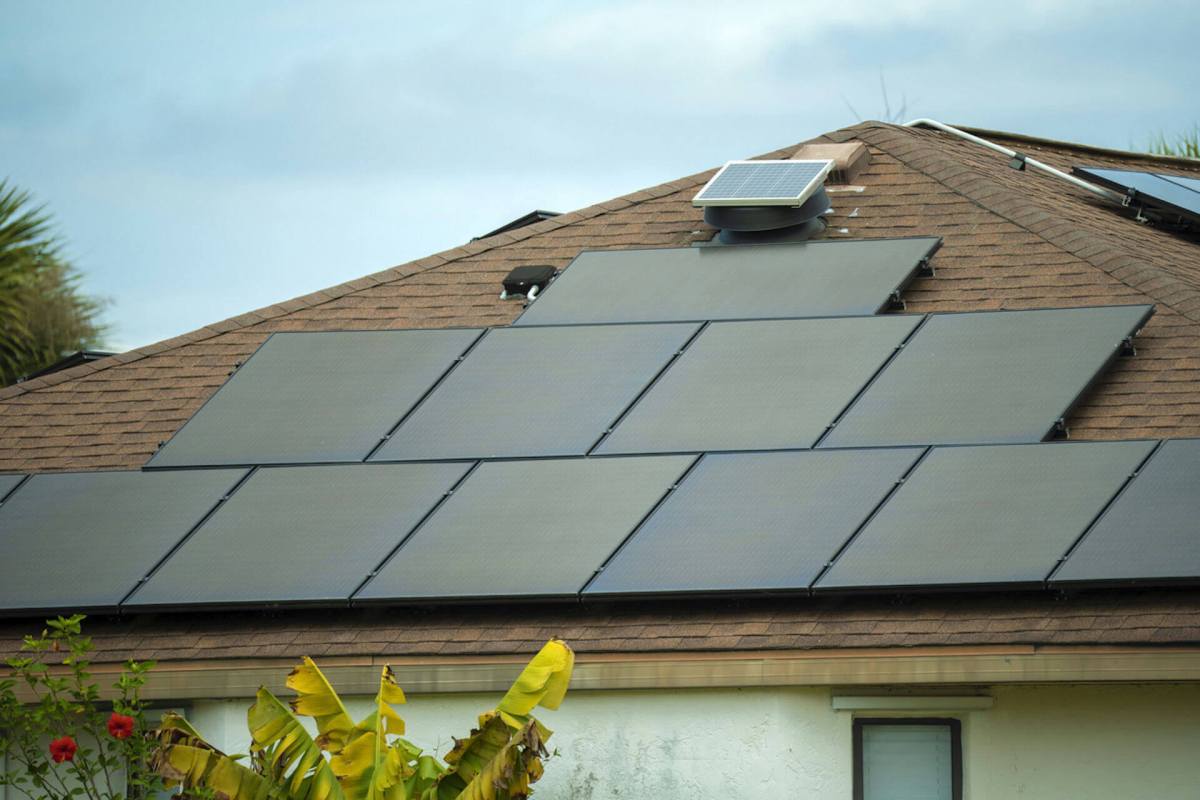


Lienweber also floated batteries as a way for solar users to get through expensive evening hours or even eventually leave net metering behind. Adding battery storage to a solar setup is one of the best ways to protect your home during outages, save money on energy, and go off-grid. Homeowners can explore EnergySage for information about home battery storage options, including competitive installation estimates.
Where can I learn more?
Homeowners in other states are running into similar questions as solar rules change. This coverage covers net metering disputes, battery economics, and how shifting incentives can change the payoff of rooftop solar.
• In Ohio, homeowners found half the bill untouched after signing up for rooftop solar.
• Across much of the U.S., net metering rules affect whether home batteries pencil out.
• In Connecticut, home batteries gained ground as rooftop solar incentives ran into new caps.
• Homeowners facing expiring incentives still argued solar is worth the investment.
• Across the U.S., rooftop solar can save homeowners about $50,000 over time.

Get TCD's free newsletters for easy tips, smart advice, and a chance to earn $5,000 toward home upgrades. To see more stories like this one, change your Google preferences here.






