


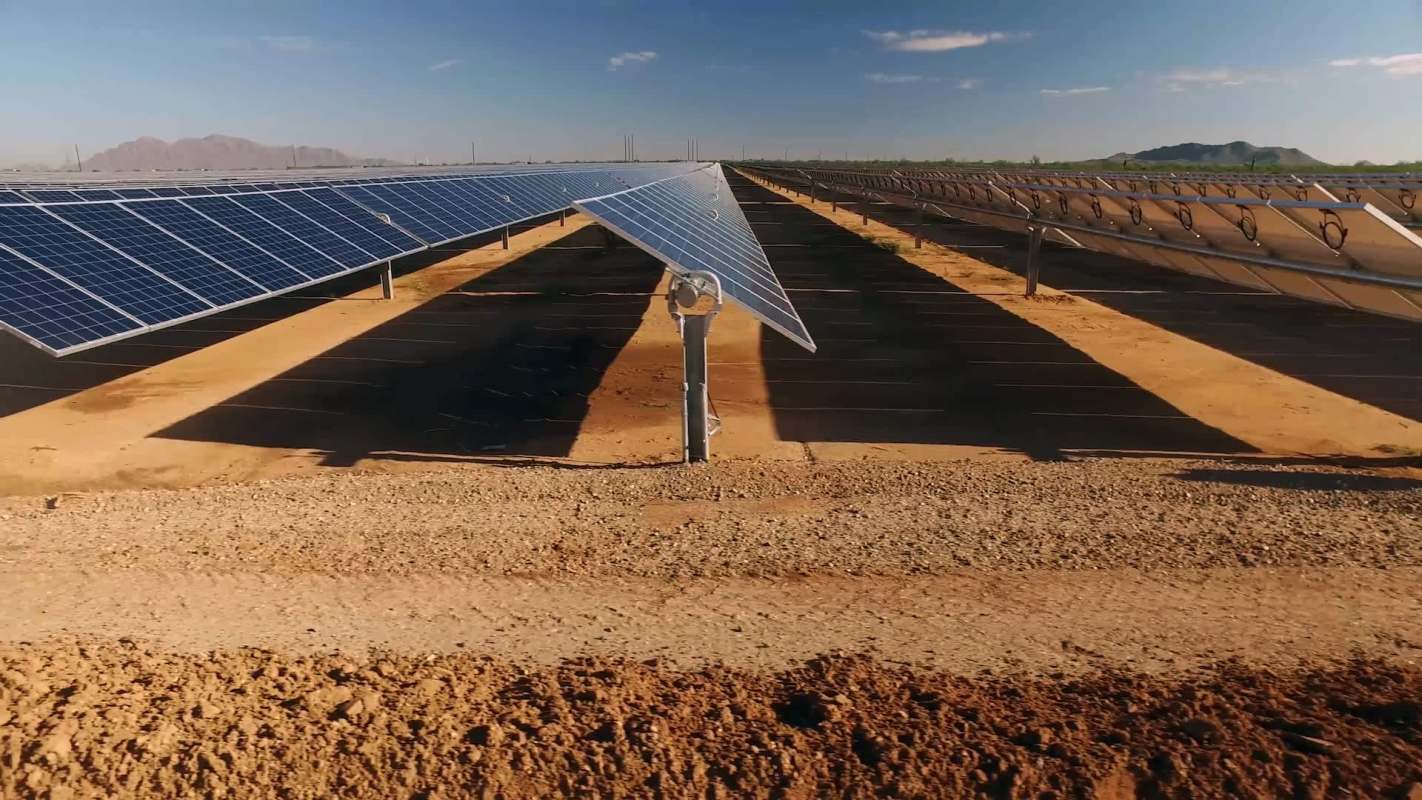
In Pakistan's Chakwal region, Bestway Cement is installing solar panels across dry land and among olive and peach orchards, highlighting how affordable solar has become for both large industrial sites and individual homes.
According to Ars Technica, that movement is accelerating in Pakistan and elsewhere as high power prices and unreliable grid service make self-generated electricity more attractive.
Here's what to know
At Bestway Cement's Chakwal plant, 26 megawatts of photovoltaic capacity are already operating, and the company says it is adding another 6.34 megawatts. More than one-quarter of the facility's electricity now comes from solar, and the plant produces over 3.3 million tons of cement each year.
Bestway Cement is part of a bigger shift. As solar hardware prices have fallen — largely due to a surge of lower-cost components from China — businesses and households worldwide have been putting panels on rooftops, yards, and open land.
The Energy Institute's Statistical Review of World Energy says global small-scale solar capacity was nearly 1.2 terawatts at the end of 2025. Because solar generation rises and falls with available sunlight, that figure does not equal constant output, but it still represents a huge amount of capacity, about three times the size of the world's nuclear fleet.
For households, going solar is one of the best ways to save money on home energy. Readers who want to see what the math looks like for their own roof can explore EnergySage to get free solar installation estimates and compare quotes.
More background
This growth is especially strong where grid electricity is expensive, unreliable, or both.
Cleaner electricity can reduce the need for dirtier power sources, while cheaper energy can help companies stay competitive and free up households to spend more on other essentials.
Save $10,000 on solar panels without even sharing your phone number Want to go solar but not sure who to trust? EnergySage has your back with free and transparent quotes from fully vetted providers that can help you save as much as $10k on installation. To get started, just answer a few questions about your home — no phone number required. Within a day or two, EnergySage will email you the best local options for your needs, and their expert advisers can help you compare quotes and pick a winner. |

What can be done?
For consumers, the opportunity is to shop carefully, compare installers, and understand available incentives before making the jump.
EnergySage's free services can make that process much easier: with EnergySage's help, the average person can save up to $10,000 on solar purchases and installations. EnergySage's solar map shows the average cost of a home solar panel system on a state-by-state level, as well as details on solar panel incentives for each state. Together, these resources can help readers get the best price for rooftop solar panels and access available incentives.
Batteries can also store daytime solar power for later use, helping households rely less on the grid after sunset or during peak-rate periods. Readers can explore EnergySage for information about home battery storage options, including competitive installation estimates.
Abdul Waheed, the general manager at Bestway Cement's Chakwal plant, said, "It's the only way we can compete. Our rivals have already gone in this direction."
More From EnergySage
💡Go deep on the latest news and trends shaping the residential solar landscape

Where can I learn more?
Pakistan's solar boom fits into a much broader story about how households, businesses, and entire economies are dealing with costly, unreliable electricity. These articles look at how rooftop systems, batteries, and large-scale solar programs are changing energy security and affordability in Pakistan and beyond.
• In Pakistan, the solar industry shields the nation from energy shocks and steep import costs.
• Across U.S. neighborhoods, panels and batteries could strengthen household energy security beyond bill savings.
• In India, prioritizing solar saves billions as demand and electricity costs rise.
• For homeowners, solar panels work by turning rooftop sunlight into usable household electricity.
• New silicon-cell advances make solar electricity even cheaper, pushing adoption for homes and factories.
Alongside those trends, Bestway's investment looks like another sign of where the market is heading. As solar keeps getting cheaper, more homes and companies will have reason to produce at least some of their own power on-site.

Get TCD's free newsletters for easy tips, smart advice, and a chance to earn $5,000 toward home upgrades. To see more stories like this one, change your Google preferences here.






