


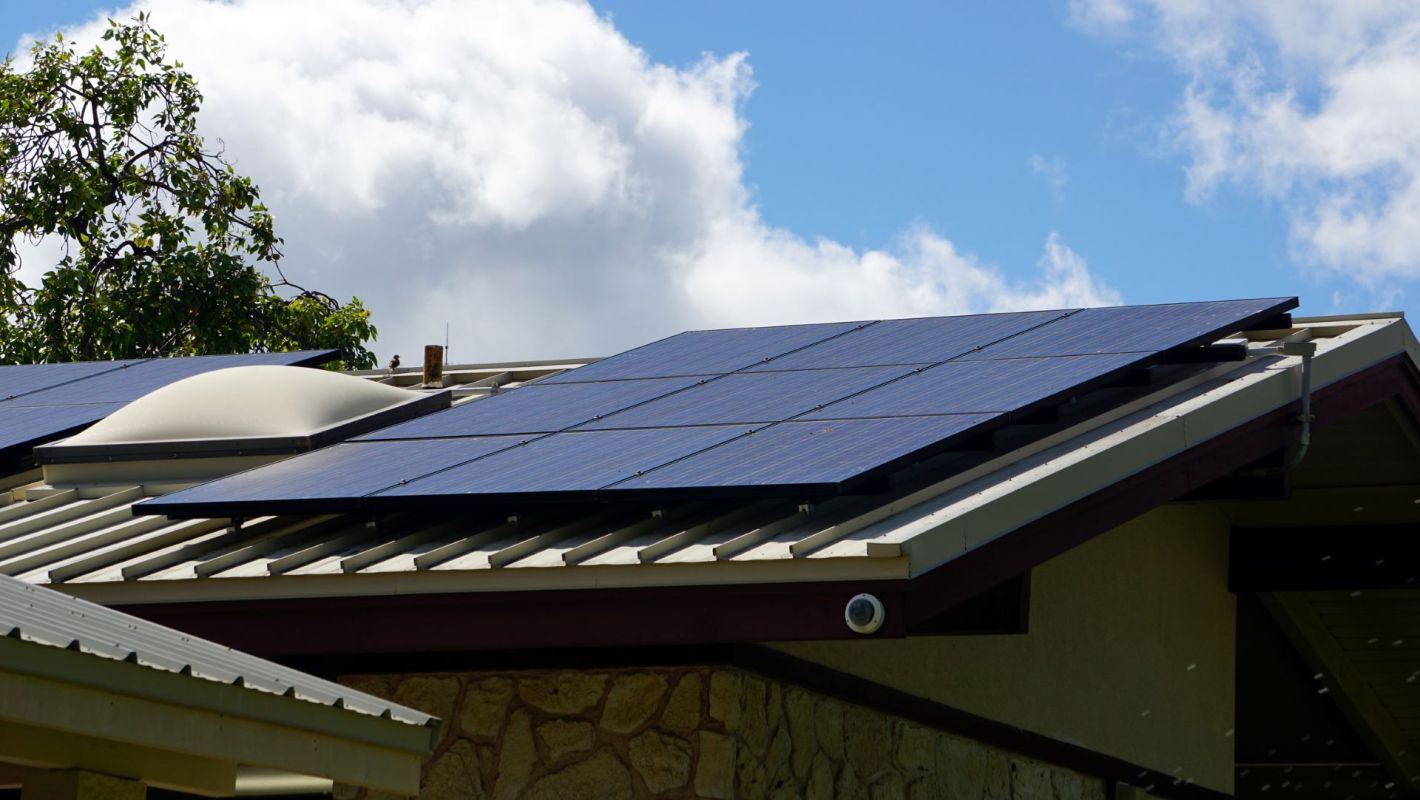
Going solar is still one of the best ways to save money on home energy, especially in a high-cost electricity market like Hawaiʻi.
But some customers with ATTYX Solar say they were left with significant debt instead of saving any money, especially after the company stopped doing business in the Aloha State.
What happened?
Rose Kalima, a Hawaiʻi homeowner interviewed by local station KHON2, said she entered into contracts with the company in December 2024.
"Someone came to my door and said, 'This is the time to get solar.' 'Solar, you save your money' and all of that," she told the outlet.
Crushed by your bills? See instant solar savings from vetted installers in just a few clicks With energy prices through the roof, there's never been a better time to go solar — and EasyHome can help you find the best prices from the best installers in your area. EasyHome takes the guesswork and headaches out of energy upgrades by showing you estimated savings from a network of vetted local partners. To get started, just enter your ZIP and share a few details about your home — seeing your estimate is really that easy. |

ATTYX allegedly installed its panels, battery storage, and a new roof at Kalima's home, yet it never activated the system. Now that the company is no longer operating in Hawaiʻi, Kalima says she is paying $400 a month on a loan while also paying her monthly electric bill.
"I can hire a licensed electrician to come, but it's going to be, I was quoted anywhere it could run from $3000 to $18,000," Kalima told KHON2. "I asked different people. No one really wants to touch it, because they didn't install all of this."
ATTYX told KHON2 in an automated reply that it "ceased operations on April 1, 2026" because of "lender insolvency, legislative changes, and a lack of funding to complete consumer projects."
Why does it matter?
Solar can be a powerful way for households to reduce monthly costs when projects are properly completed. But when a company installs equipment, arranges financing, and then disappears before a system is functioning, customers may still be legally tied to loans even if their panels are not producing power.
In a case like Kalima's, that means paying hundreds of dollars each month for an unfinished project while still covering a normal electric bill.
Platforms like EnergySage are helpful to homeowners in similar situations who are just starting the process. EnergySage has free tools to help get quick solar installation estimates and compare quotes. With EnergySage's help, the average person can save up to $10,000 on solar purchases and installations.
What can I do?
For homeowners considering solar, one of the best protections is to get several quotes, verify an installer's license and local track record, and ask exactly who is responsible for activation, utility interconnection, and warranty service if the installer folds.
It can also help to review financing terms carefully and learn how to spot misleading sales pitches. The Cool Down has more information on the TCD Guide's page on greenwashing.
More From EnergySage
💡Go deep on the latest news and trends shaping the residential solar landscape


Tools such as EnergySage's solar map can help shoppers research the average cost of a home solar panel system on a state-by-state level and find details on solar panel incentives in each state. Together, those resources can help readers get the best price for rooftop solar panels and access available incentives.
EnergySage's free services can be especially useful for avoiding rushed decisions and comparing offers side by side before committing. Using free comparison tools may not eliminate every risk, but it can make it easier to spot outlier pricing and ask sharper questions.
Adding battery storage to a solar setup is one of the best ways to protect your home during outages, save money on energy, and go off-grid. It can also make a solar investment more resilient during grid stress.
Homeowners interested in backup power can explore EnergySage for free tools and information about home battery storage options, including competitive installation estimates.

Get TCD's free newsletters for easy tips, smart advice, and a chance to earn $5,000 toward home upgrades. To see more stories like this one, change your Google preferences here.






