


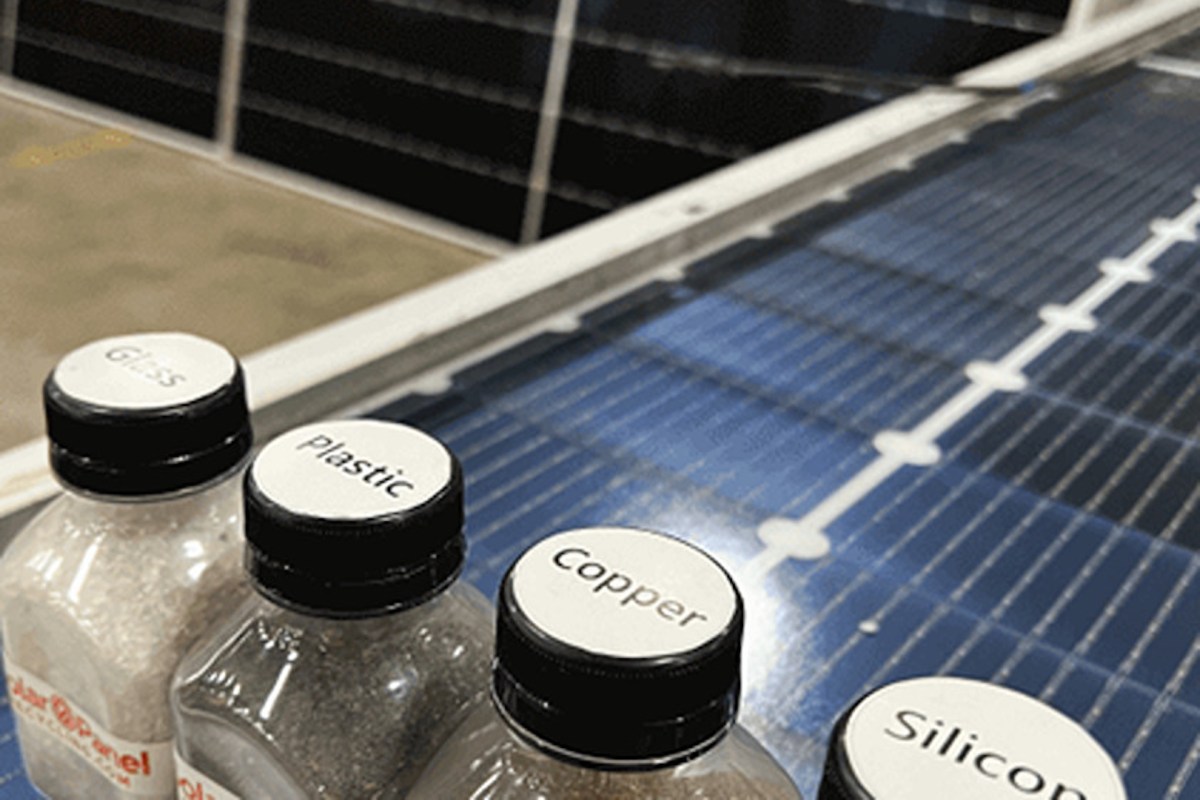
A surprisingly small part of a solar cell may decide whether recycling it is worth the cost.
According to a recent research paper, silver makes up just 0.5% of a solar cell's mass, but accounts for 47% of its recycling value. That imbalance is helping shape how homeowners deal with aging solar panels.
Here's what to know
Brett Henderson, CEO of Solar Panel Recycling, told pv magazine that the company has spent years figuring out how to recycle old solar panels.
According to Henderson, there is a new certification coming in 2027 known as R2V3 Appendix G, but SPR isn't confident that it will actually acquire the certification.
"The Appendix G still allows the solar recycling to be outsourced while someone still carries the certification. … SPR adamantly believes the glass needs to be recovered cleanly, and recovered by the R2v3 certified company in-house as it's 65% to 80% of the module by mass," Henderson said.
SPR instead removes materials one after another with special attention to glass. Henderson said the company put $12 million into glass-separation technology in 2026 because large-scale reuse depends on keeping that material clean.
TCD Picks » Quince Spotlight
💡These best-sellers from Quince deliver affordable, sustainable luxury for all




This certification process means that a "recycling" or "reuse" label on solar panels doesn't always mean that the panels are actually being handled responsibly. Sometimes, these labels just mean that the valuable part was stripped out and the rest gets left somewhere with weaker environmental rules.
It's important to keep in mind that even the most current certifications don't fully close the loophole yet, so it's essentially a kind of greenwashing.
What's being done?
Henderson said SPR's recycling operation is profitable when asset owners pay a recycling fee, and he added that advances in the company's technology have pushed those fees down by almost 80% since 2018.
The company is also adding more facilities across a distributed network, which Henderson said matters in a country where long hauls of heavy panels can drive costs up quickly. He said the economics could improve further if recovered glass stays closer to the markets that use it.
Where can I learn more?
New work on panel recovery technology and recycling infrastructure offers a closer look at how the industry is trying to boost material yields while cutting the costs Henderson described.
• In Italy, a startup says recover 99% of components from retired solar panels.
• In China, scientists are testing a more efficient recycling method for aging solar panels.
• In Odessa, Texas, a new facility aims to scale solar panel recycling as waste grows.
• In Georgia, a major manufacturer is expanding panel recycling to keep materials in circulation.
Recycling only works at scale when the recovered materials keep their value. While certifications like the Appendix G may not be as effective as they claim to be, it's good to know that there are still people out there looking to improve these practices.

Get TCD's free newsletters for easy tips, smart advice, and a chance to earn $5,000 toward home upgrades. To see more stories like this one, change your Google preferences here.






