


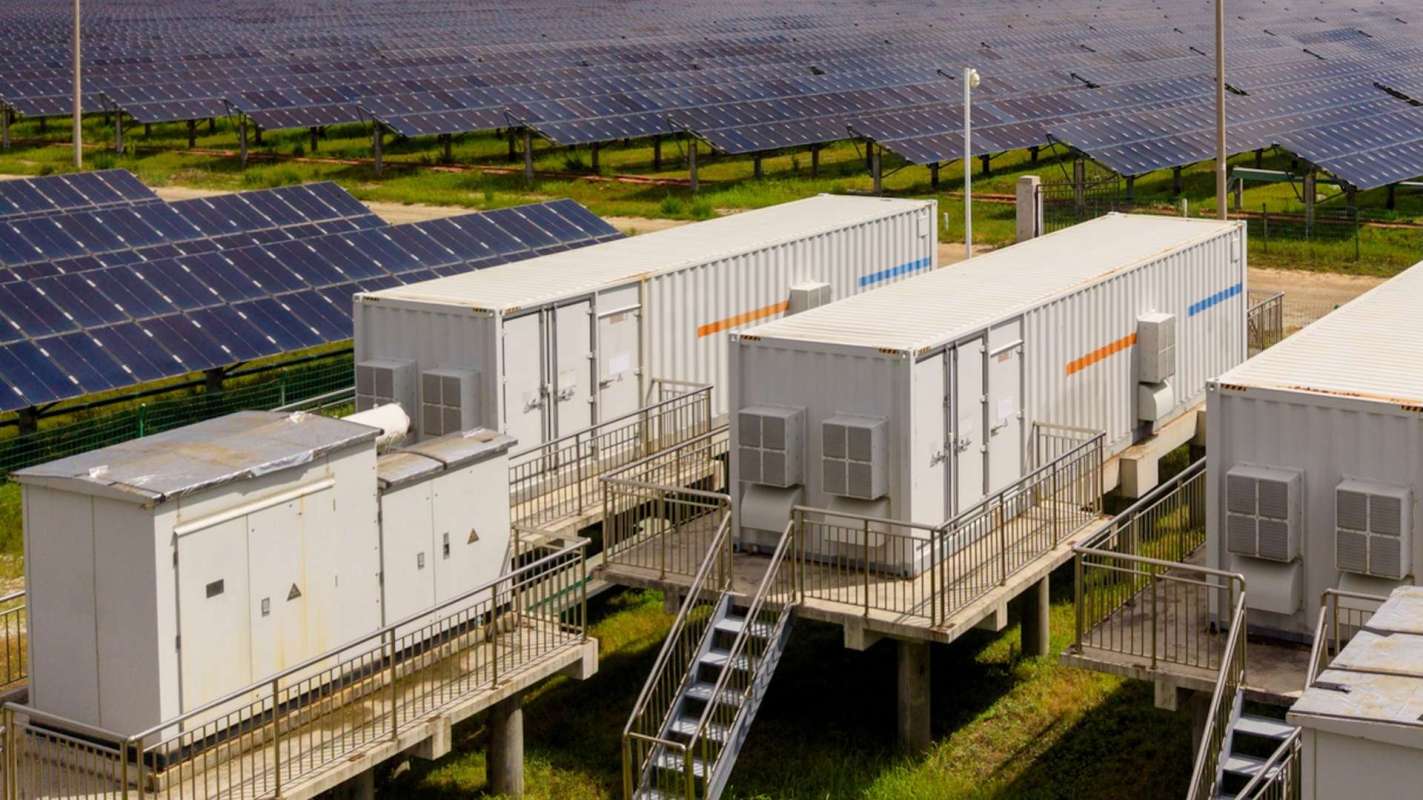
Solar power and batteries helped cut summer wholesale electricity costs by approximately $6.05 billion across Texas and California compared with 2021. But those savings didn't reach households evenly, as rising delivery costs offset some of the relief.
Here's what to know
Data from the Solar Energy Industries Association reported by ESS News showed estimated energy savings of $3.55 billion in Texas and $2.5 billion in California when comparing June through August 2026 with the same months in 2021.
Prices were adjusted to 2026 dollars to account for inflation. The analysis used weighted averages of hourly day-ahead wholesale prices for the Texas market operated by the Electric Reliability Council of Texas and the market run by the California Independent System Operator.
In Texas, electricity demand increased 30.1%, yet ESS News reported a decline in average wholesale prices to $31.77 per megawatt-hour from $54.97, a 42% reduction.
Meanwhile, in California, consumption grew 2.5%, while average wholesale prices reached $38.32 per megawatt-hour, down 51% from $77.54.
More background
SEIA noted that the generation portion of residential bills decreased by 10% for California households and by 4% for those in Texas. Higher charges elsewhere on those utility bills absorbed part of the generation savings, according to ESS News.
TCD Picks » Quince Spotlight
💡These best-sellers from Quince deliver affordable, sustainable luxury for all




In California, transmission costs rose 12%, while distribution costs rose 51% and other expenses, including overhead for wildfire management, rose 90%.
Texas faced a similar challenge, with transmission costs up 17% and distribution costs up 23%.
Generating electricity accounts for only part of the final bill. Separate charges cover the cost of moving that power through the grid.
What's being done?
Through the first half of 2026, ESS News reported that Texas battery capacity reached 33.1 gigawatt-hours, an increase of more than 26 times, while California's reached 62.0 gigawatt-hours, nearly seven times its earlier capacity. According to SEIA, solar generation increased by 421% in Texas, compared with 90% in California, between 2021 and 2026.
Evening demand peaks can draw on a midday surplus of electricity because batteries save that power for later. That reduces the need for expensive fossil-fueled peaker plants.
California's peak hourly wholesale prices declined to $59.69 per megawatt-hour from $141.75, while Texas' reached $57.30, down from $110.96.
ESS News reported that storage covered between 6% and 7% of daily energy use in California and over 1.3% in Texas. During summer heat waves, shorter stretches of extreme pricing helped limit wholesale costs — an effect of solar and batteries working together.
Texas' generation reached 1,533 gigawatt-hours after a 172% increase, while California's reached 7,997 gigawatt-hours after growing 107%, adding to the solar electricity available across both states. According to SEIA, rooftop solar also expanded substantially over the comparison period.
Where can I learn more?
Solar energy and battery storage is changing the math for household energy needs.
• California is turning to home batteries to lower bills and reduce reliance on gas plants.
• After solar export rates dropped, a homeowner saw little bill relief while owners recommended batteries.
• In California, peak-hour rates erased credits, prompting a solar homeowner to consider battery storage.

Get TCD's free newsletters for easy tips, smart advice, and a chance to earn $5,000 toward home upgrades. To see more stories like this one, change your Google preferences here.






