


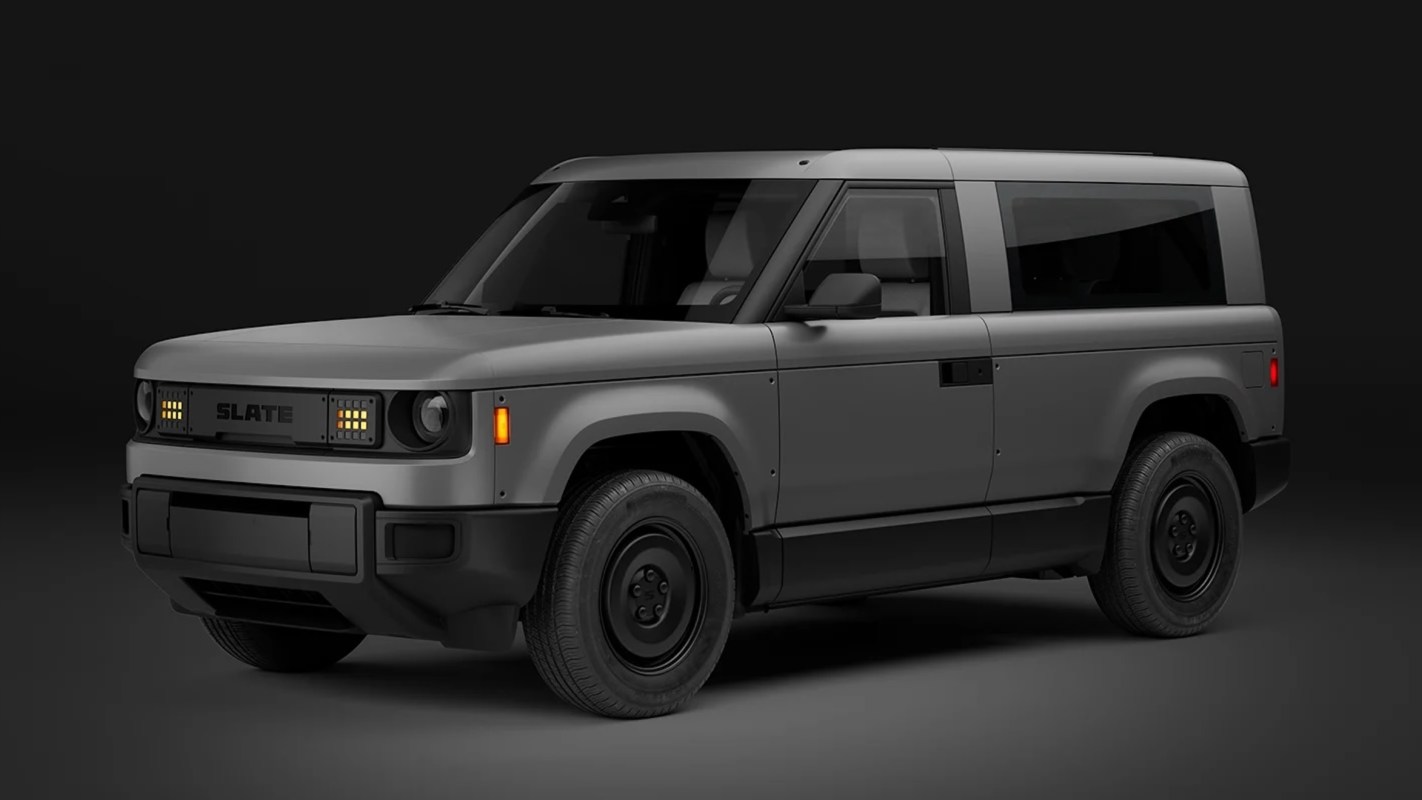
A new electric vehicle startup is taking aim at one of the biggest frustrations in car shopping: the rising cost of a new car.
Slate Auto, a Michigan company, says its new electric pickup will start at $24,950 — a price that currently puts it below every other new EV on the U.S. market.
What happened?
Expected later this year, Slate Auto's first vehicle strips things back to the basics, with two seats, steel wheels, manual-crank windows, and neither a radio nor a touchscreen.
According to InsideEVs, the exterior uses unpainted gray plastic body panels. It also carries a 65-kilowatt-hour battery that is estimated to deliver about 205 miles of range.
That pared-down design is arriving as new-car costs continue to pressure buyers.
Edmunds figures cited in the report show average monthly payments of $773, average financed amounts of $43,899, and more shoppers taking on loans lasting 84 months or longer.
TCD Picks » Quince Spotlight
💡These best-sellers from Quince deliver affordable, sustainable luxury for all




Why does it matter?
For many drivers, the biggest barrier to buying an EV is still the upfront cost.
If Slate can actually deliver a functional electric truck for less than $25,000, it could give budget-conscious shoppers another option at a time when even entry-level new cars can feel out of reach.
EVs can help drivers save money on fuel because electricity is typically cheaper than gas, especially for those who charge at home.
They also generally require less routine maintenance, since they do not need oil changes and have fewer moving parts that can wear out over time.
Of course, that low price comes with tradeoffs. The base version of the Slate has just two seats, a relatively short range by current EV standards, and very few comfort features.
Still, for commuters, small-business owners, or households that need a second vehicle, 205 miles could be enough for everyday driving while also reducing tailpipe pollution.
Slate's chief commercial officer, Jeremy Snyder, said, "That is plenty of range to drive, for most people, for an entire week."
What's being done?
Slate's main strategy appears to be flexibility. Rather than loading the truck with expensive standard features, the company plans to let owners add upgrades over time.
Buyers will be able to choose from wraps, interior panels, storage add-ons, and even SUV conversion kits that add rear seating.
That approach could help spread out costs instead of requiring shoppers to pay for everything upfront.
It also gives drivers the option to keep the vehicle simple or upgrade it gradually as their needs change.
For consumers interested in whether an EV makes financial sense, it's smart to compare total ownership costs — not just the sticker price.
Charging an EV at home is significantly cheaper than relying on public chargers. Drivers who want home charging can get installation estimates through Qmerit, and shoppers weighing their options can also explore what to consider before making their next car an EV.
As Ivan Drury, Edmunds' director of insights, put it, "Slate is making a $25,000 bet that drivers still want something simple."

Get TCD's free newsletters for easy tips, smart advice, and a chance to earn $5,000 toward home upgrades. To see more stories like this one, change your Google preferences here.






