


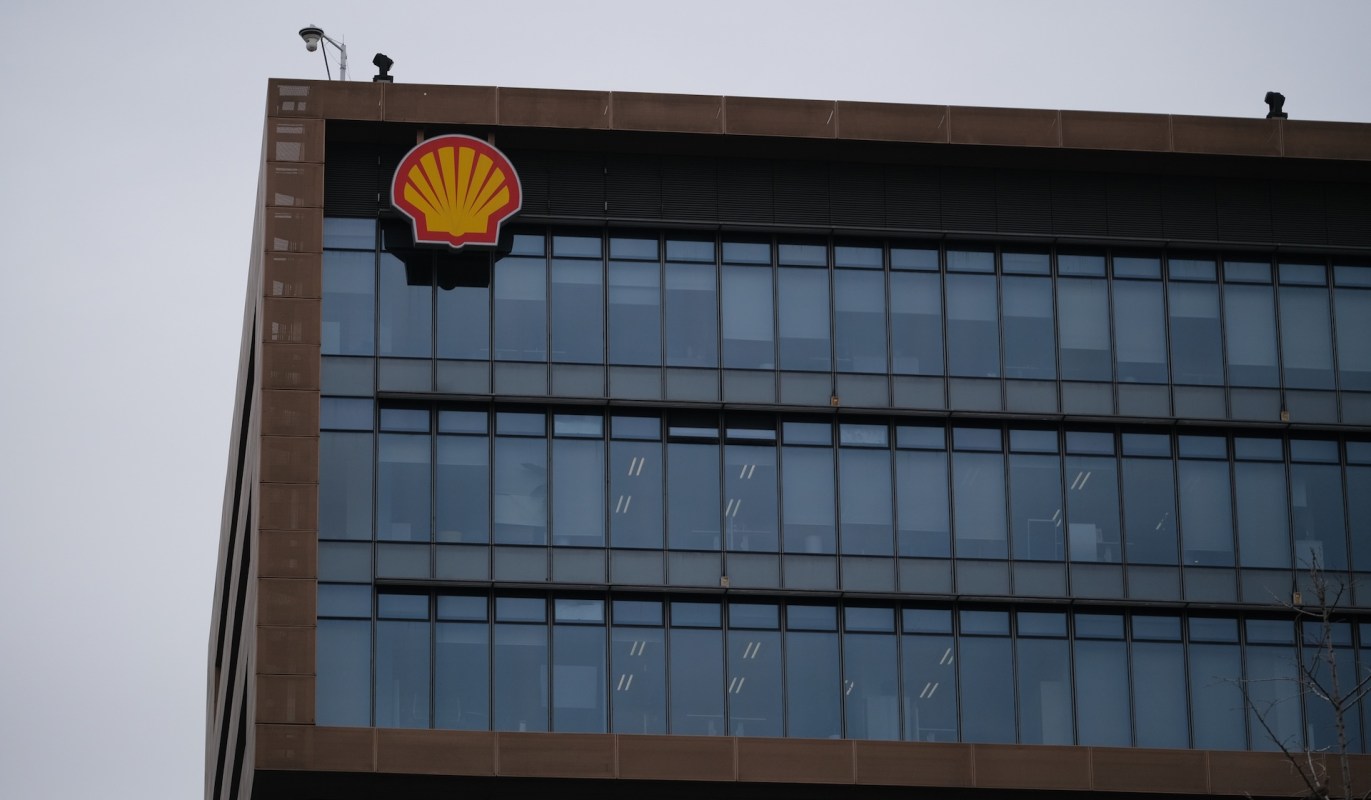
New court materials suggest that Shell may have sold its offshore oil assets in the Niger Delta in an attempt to avoid cleanup costs from its oil pipelines in the area.
The company now faces allegations that it sold its infrastructure in Nigeria without providing any resources or support to deal with the pollution it left, leaving the Niger Delta in horrible conditions, Climate Home News reported.
What happened?
Documents cited in U.K. court proceedings show that Shell began to divest its Niger Delta oil businesses after selling the stake to a Nigerian oil company for $17 billion in 2015.
In 2013, an internal presentation at Shell showed how the company was considering different options on "handling potential liabilities related to [Shell] past oil spills," Climate Home News reported. In 2014, documents showed the then-CEO Ben van Beurden was warned against simply closing down Shell's pipelines in south Nigeria.
Amnesty International, which released the documents in a July 3 report, suggests that Shell "appears to have been well aware of the massive costs of decommissioning the entirety of its aged and decaying infrastructure. Rather than cover these costs, it appears that Shell decided to sell."
Why does it matter?
"The pipeline, which Shell sold last year, was one of its biggest, most expensive and ultimately most problematic bits of infrastructure in Nigeria," according to the BBC. "It was capable of carrying up to 150,000 barrels of oil a day, but was repeatedly hit by spills and targeted by illegal oil thieves."
TCD Picks » Quince Spotlight
💡These best-sellers from Quince deliver affordable, sustainable luxury for all




In the June 2013 presentation, Shell identified that, at the time, there were 375 square kilometers of mangrove forests in the Niger Delta that had been affected by oil spills.
Since then, high-polluting gas has flared up significantly in the area, Climate Home News reported in June. Fishing grounds have since been declared toxic and unusable.
Amnesty International reported serious problems throughout Shell's pipeline management in the area, which has wreaked havoc since, including a major maintenance backlog, unacceptable oversight systems, and poor records on pipeline clamps.
What's being done?
Amnesty International and Nigeria-based HEDA Resource Centre are using the newly released material to press for stronger accountability, arguing that Shell should not be able to leave legacy pollution behind without repairing the damage.
"Communities in the Niger Delta deserve truth, justice, clean-up and full remedy," Olanrewaju Suraju, chairman of the HEDA Resource Centre, said in a statement.
Communities in the Niger Delta have since tried to take legal action against Shell. Ogale and Bille filed a U.K. legal action against Shell over the pollution in 2015, which is scheduled to be taken to court in March 2027.

Get TCD's free newsletters for easy tips, smart advice, and a chance to earn $5,000 toward home upgrades. To see more stories like this one, change your Google preferences here.






