


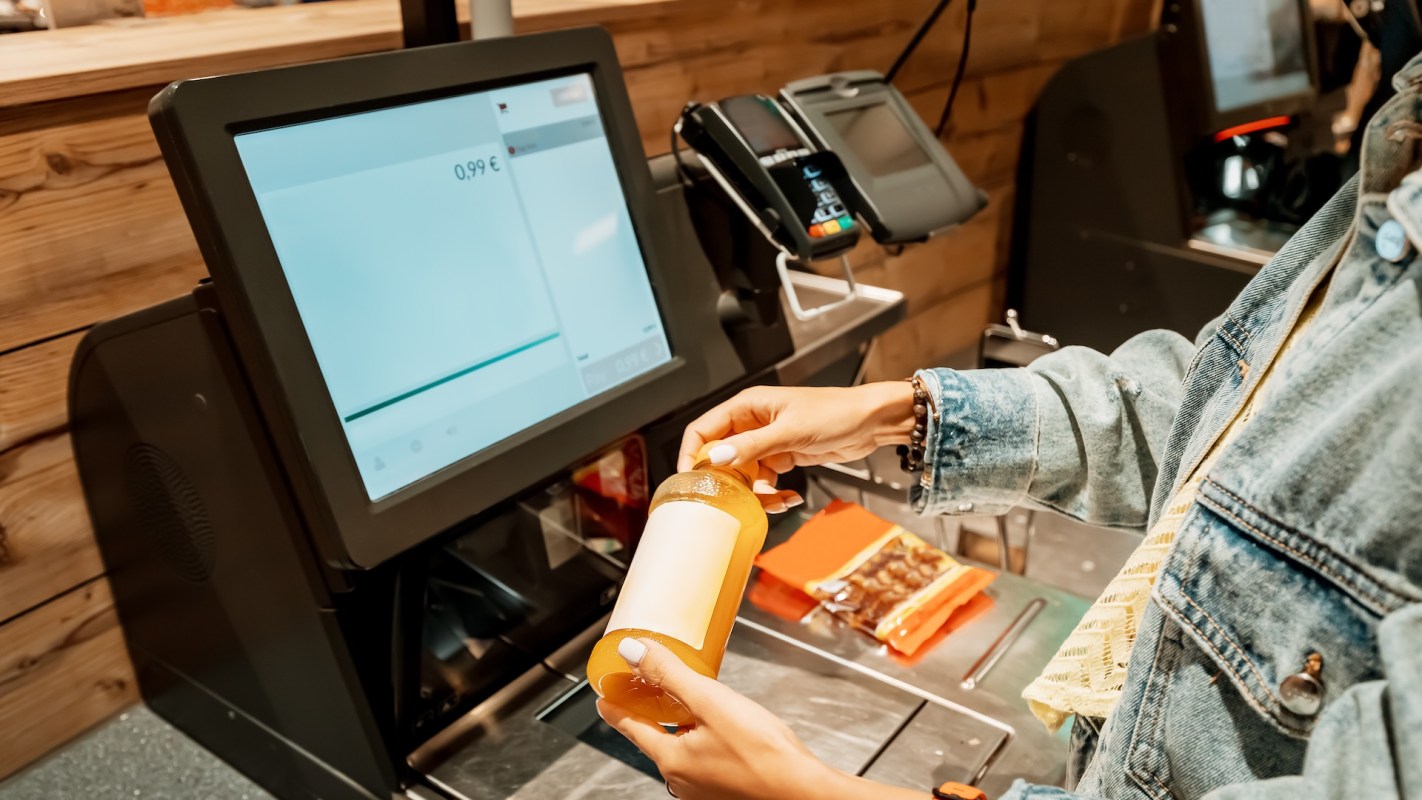
Retailers believed self-checkout would cut labor costs and keep lines moving, but after shopper complaints and profit loss from theft, only 36% of the 340 operators surveyed said they plan to invest in the technology this year.
Here's what to know
TechSpot reported that self-checkout drew the weakest investment interest in the 2026 Voice of the Retail Industry Survey. Just over a third of retailers said they expect to spend on it, down 7 percentage points from 2025, making it the only technology category to lose ground from 2025.
By comparison, automated invoices, electronic shelf labels, and accounting software each won support from at least 40% of retailers.
What is sold as a convenience that can save on staffing leaves customers to do the work themselves, only to get slowed by errors and having to wait for employees to step in.
More background
Skepticism about the speed advantage is not new. As self-checkout spread in the late 1980s, Kroger group vice president Donald F. Dufek told The Oklahoman that shoppers may think the process is quicker because they are scanning their own items even though it actually takes longer, as TechSpot relayed.
Experienced cashiers generally move faster, and customers are more prone to mistakes that stop the machine and force staff to help.
TCD Picks » Quince Spotlight
💡These best-sellers from Quince deliver affordable, sustainable luxury for all




Another challenge is theft. Self-checkout can raise losses through both unintentional mistakes and deliberate shoplifting, undercutting the case for swapping workers out for machines.
What's being done?
Major chains are putting more employees around the lanes. TechSpot reported that Walmart, Costco, and Kroger have expanded staffing in self-checkout areas, showing that the systems still rely on trained workers for oversight and assistance.
Target limited self-checkout lanes to customers with 10 items or fewer, finding this made the technology the most useful. On the other end of the spectrum, Dollar General removed self-checkout from 12,000 stores in 2024, no longer finding it worth the hassle.
Where can I learn more?
These articles detail other retail issues.
• Walmart began phasing out single-use bags at 100 stores in April 2023.
• At H-E-B, curbside orders can arrive wrapped in layers of plastic packaging.
• Inditex, Zara's parent, faced backlash after an operational shift during shipping delays.
• In Mankato, lawmakers considered a strict fee on plastic bags for shoppers.
• Shoppers sorting through online orders are learning how to spot greenwashing in packaging.

Get TCD's free newsletters for easy tips, smart advice, and a chance to earn $5,000 toward home upgrades. To see more stories like this one, change your Google preferences here.






