


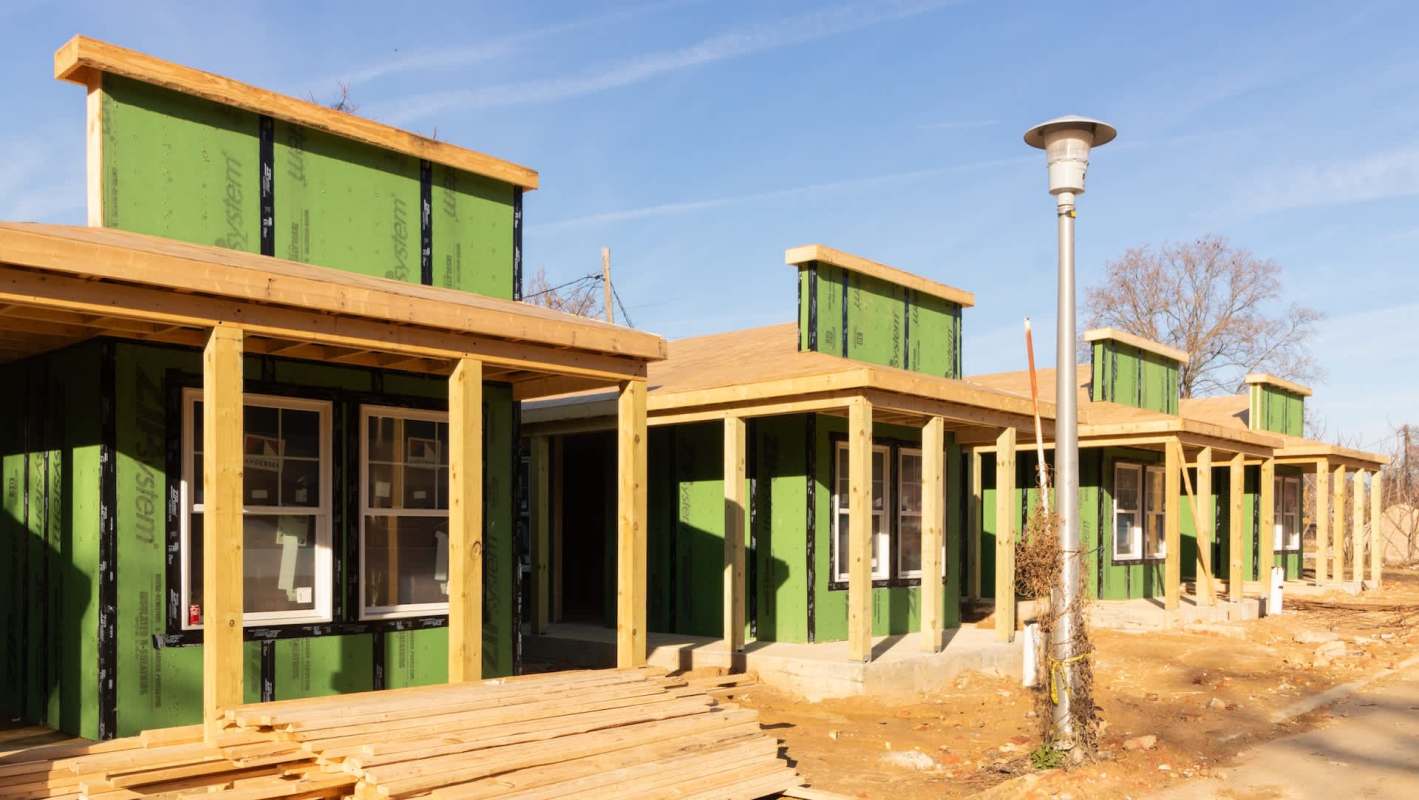
Seattle could soon take a significant step toward getting more people safely indoors, more quickly.
According to a report from Capitol Hill Seattle, the Seattle Department of Construction and Inspections has recommended that the City Council adopt Mayor Katie Wilson's "Shelter Acceleration" plan, which would expand the city's existing tiny house village network and create more than 500 additional beds.
If approved, the legislation would speed the rollout of new microshelter units without changing where shelters are allowed or weakening current rules. That distinction matters. Faster shelter expansion would mean bringing more people in from dangerous outdoor conditions and into spaces that offer basic protections like heat, privacy, sanitation, and easier connections to support services.
For Seattle residents more broadly, that could mean public health benefits, safer neighborhoods, and lower costs associated with emergency response. Stable shelter can reduce exposure to severe weather, illness, and crisis-level interventions, while also making it easier for outreach workers to connect people with longer-term housing and care.
There may be environmental benefits as well. Tiny house villages generally require fewer materials and less energy than larger traditional buildings, and managed shelter sites can handle waste, electricity, and sanitation more effectively than dispersed, unsheltered encampments.
City officials have emphasized that the proposal is about speeding delivery, not loosening standards.
TCD Picks » Quince Spotlight
💡These best-sellers from Quince deliver affordable, sustainable luxury for all




In its recommendation, the Seattle Department of Construction and Inspections wrote that the bill "allows for the expansion of an already authorized use and does not modify where shelters are allowed or otherwise reduce health and safety standards."
The department also said the legislation "does not modify any other permitting regulations, such as setbacks and screening requirements."
That reassurance comes as some council members advance amendments aimed at addressing public safety concerns tied to larger villages. One proposal would restrict the placement of larger tiny house villages near parks and schools.
Another was introduced jointly by council members Dionne Foster and Debora Juarez and would require operators to develop a public safety plan while setting up a Community Advisory Committee to advise on implementation, Capitol Hill Seattle noted.
A separate amendment from Council President Joy Hollingsworth would require operators to sign a "Good Neighbor Agreement" laying out minimum communication and public safety protocols.
Those added guardrails could help the city balance urgency with accountability. The report from the Seattle Department of Construction and Inspections concludes that failing to pass the proposed legislation could have consequences.
"Without accelerated action, hundreds of new microshelter units will be delayed," the report said.

Get TCD's free newsletters for easy tips, smart advice, and a chance to earn $5,000 toward home upgrades. To see more stories like this one, change your Google preferences here.






