


Long-haul trucking has been one of the hardest parts of the transportation sector to electrify, largely because heavy-duty fleets need long range, fast refueling, and dependable infrastructure.
Europe may be showing signs that greater progress is coming.
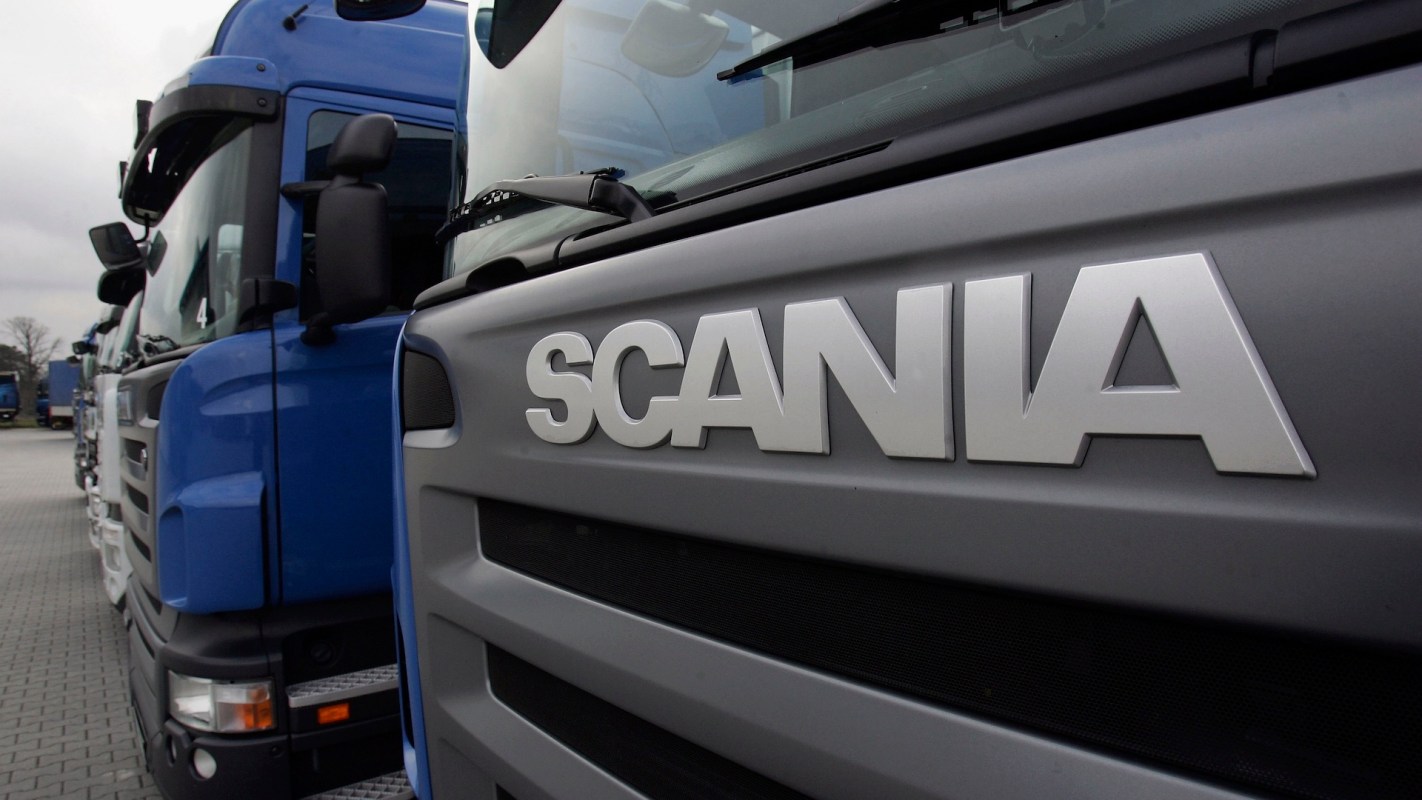
CleanTechnica reported that on Sept. 15, Scania unveiled a battery-electric truck with up to 720 kilometers, or about 474 miles, of range.
Here's what to know
With its new model, Scania is trying to address the core freight-electrification problem of providing enough range while preserving cargo capability and avoiding charging patterns that clash with delivery timetables.
"For transport operators, the question is whether an electric truck can cover demanding routes, carry the required load and charge in a way that fits real transport schedules," the company stated.
Scania said it increased battery capacity by adding packs behind the cab alongside those mounted in the chassis. Two cab-mounted MP20 packs contribute about 356 kilowatt-hours, and the truck also gets a reworked front end to improve aerodynamics.
TCD Picks » Quince Spotlight
💡These best-sellers from Quince deliver affordable, sustainable luxury for all




Depending on how the truck is configured and operated, Scania said the updated design could reduce energy use by up to 3%.
Megawatt charging system stations are also appearing. CleanTechnica said Siemens has introduced equipment that can charge an electric truck from 20% to 80% in about 30 minutes.
More background
One major reason the heavy-duty segment has lagged behind passenger EVs is that diesel still offers a much faster refueling experience.
Filling a truck with a 200-gallon tank can take about 10 to 20 minutes, while charging a heavy-duty electric truck may still take hours.
Even where fast chargers exist, supplying enough electricity to high-powered truck stops can require costly grid upgrades.
One possible solution is on-site battery energy storage systems, which can store electricity over time and then deliver rapid charging when trucks arrive.
Cleaner trucks could reduce tailpipe pollution while also cutting the climate-warming pollution tied to moving goods.
What's being done?
Battery-electric trucks are not the only technology moving forward.
In Germany, a hydrogen trucking proposal from Volvo Group, Daimler Truck, Toyota Motor Corporation, Bosch, Air Liquide, TotalEnergies, TEAL Mobility, and MB Energy would include refueling stations that can serve up to 100 trucks per day.
Daimler Truck says its customer-operated fuel cell trucks in Europe have logged almost 600,000 kilometers (around 372,800 miles), and the company plans to deploy 100 next-generation trucks in 2026.
Volvo said the key policy priorities are reducing truck costs, building a more competitive hydrogen supply chain, and offering incentives such as zero-emission toll exemptions.
The National Organisation for Sustainable Mobility (NOW) described its mission this way: "Our goal is to advance innovative technologies such as electric mobility and charging infrastructure, hydrogen and fuel cells, and alternative fuels, thereby contributing to the achievement of Germany's climate targets."
Where can I learn more?
These articles look at electric vehicle charging expansion, charger vandalism, and common questions about owning electric cars.
• In Los Angeles, copper theft and vandalism are driving up EV charger repair costs.
• Persistent questions about EV prices and carbon still shape how drivers judge electric cars.
• Among hesitant car shoppers, owners' firsthand advice online is helping demystify EV ownership.
• Many drivers say cheap fueling and maintenance helped convince them to switch to EVs.

Get TCD's free newsletters for easy tips, smart advice, and a chance to earn $5,000 toward home upgrades. To see more stories like this one, change your Google preferences here.






