


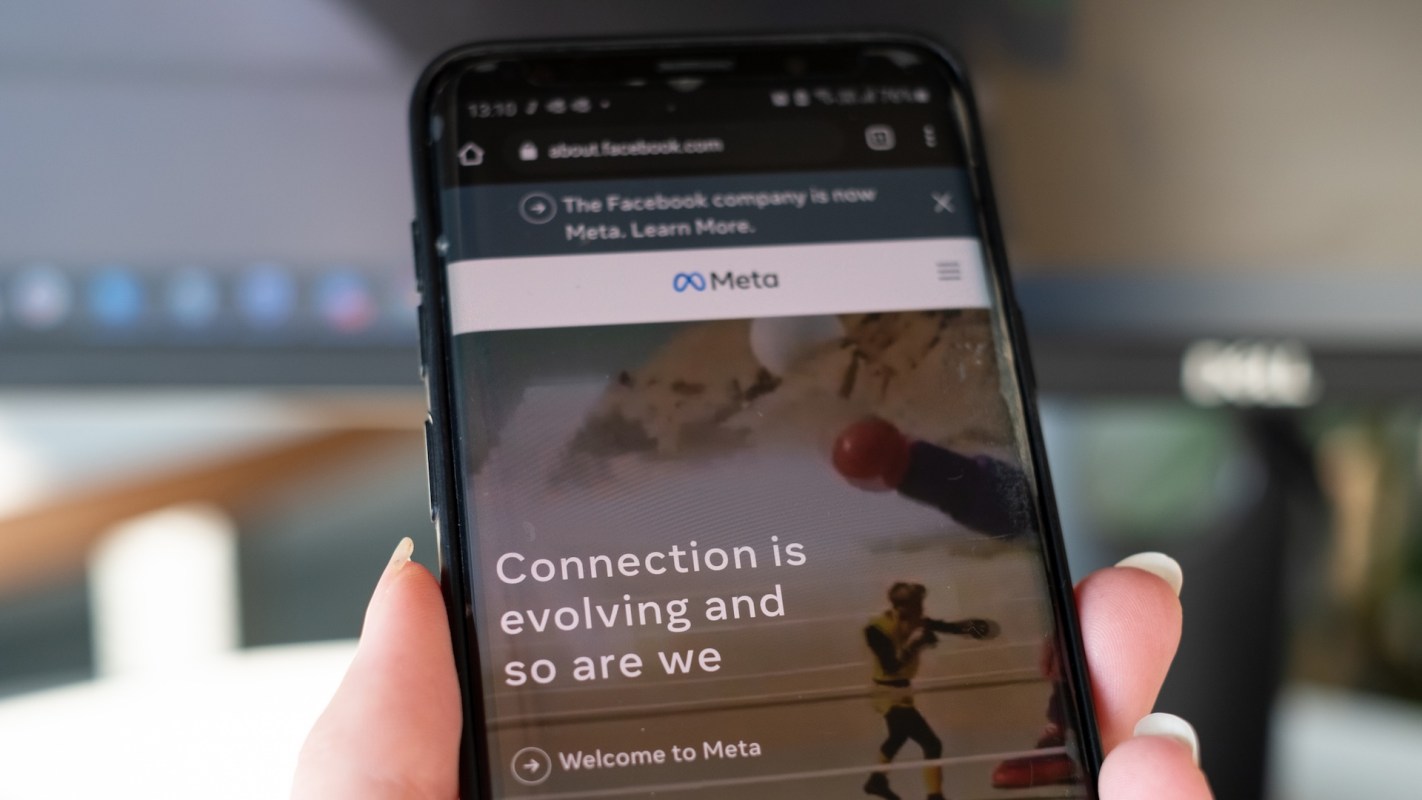
Santa Clara County is suing Meta, alleging the company turned Facebook and Instagram into lucrative pipelines for scam advertising aimed at vulnerable users.
In a new California lawsuit, county officials argue Meta allowed fraudulent ads to saturate feeds worldwide — not as an oversight, but as part of a system that protected advertising revenue even when users were being defrauded.
What's happening?
County leaders announced the lawsuit Monday, accusing Meta of knowingly allowing billions of scam ads to run across its platforms and collecting an estimated $7 billion a year from them.
According to the complaint, Meta not only failed to stop deceptive advertisers, but it also allegedly weakened its own anti-fraud protections, as San José Spotlight reported.
The lawsuit says some scammers remained active even after being flagged more than 500 times. It also claims Meta relied on internal "revenue guardrails" that discouraged employees from removing scam ads if doing so would significantly reduce profits.
At a news conference, County Counsel Tony LoPresti said "Meta is on the take," accusing the company of misleading users and violating the law for years.
TCD Picks » Quince Spotlight
💡These best-sellers from Quince deliver affordable, sustainable luxury for all




According to San José Spotlight, many of the lawsuit's claims draw on a 2025 Reuters investigation that said Meta was at one point linked to one-third of all successful internet scams in the United States.
Meta has vowed to fight the lawsuit. A company spokesperson told San José Spotlight that the claim relies on Reuters reporting that "distorts our motives" and ignores the full range of actions Meta takes every day to combat scams.
Meta said that it took down more than 159 million scam ads last year and added new tools and law enforcement partnerships aimed at disrupting fraudsters.
Why is this concerning?
If the allegations are true, the lawsuit points to a deeply troubling business model: a major tech company allegedly prioritizing ad revenue over user safety.
Scam ads often target people who can least afford the harm. County officials said the ads included financial scams, cryptocurrency schemes, celebrity and military impersonation scams, and fake "miracle cures" for serious illnesses. These kinds of ads can wipe out savings, exploit older adults, and prey on people dealing with illness, isolation, or financial stress.
The broader issue is what happens when platforms become engines for fraud. If harmful ads are allowed to spread because stopping them would hurt profits, the cost falls on ordinary users — not only in lost money, but in lost trust in the digital spaces they depend on for communication, community, and information.
The case also raises larger questions about accountability in Silicon Valley. Santa Clara County officials have argued that dominant tech companies should not be allowed to operate as though ordinary rules do not apply simply because they play such a central role in modern life.
What's being done about scam ads on Meta?
Santa Clara County is asking the court to stop Meta from allegedly violating false advertising and unfair competition laws. The lawsuit also seeks attorney fees.
If the case proceeds, it could increase pressure on major platforms to treat fraud prevention as a core responsibility rather than a cost of doing business. It could also prompt other local or state officials to pursue similar cases if they believe tech companies are profiting from harmful practices.
Users need to be cautious of ads promising guaranteed investment returns, crypto windfalls, miracle health treatments, or urgent money requests from supposed trusted figures. They should also report suspicious ads, avoid clicking unfamiliar links, and verify claims through trusted sources before sending money or sharing personal information.
Companies that profit from reaching people should be expected to protect them — not expose them to fraud in pursuit of even more revenue.

Get TCD's free newsletters for easy tips, smart advice, and a chance to earn $5,000 toward home upgrades. To see more stories like this one, change your Google preferences here.






