


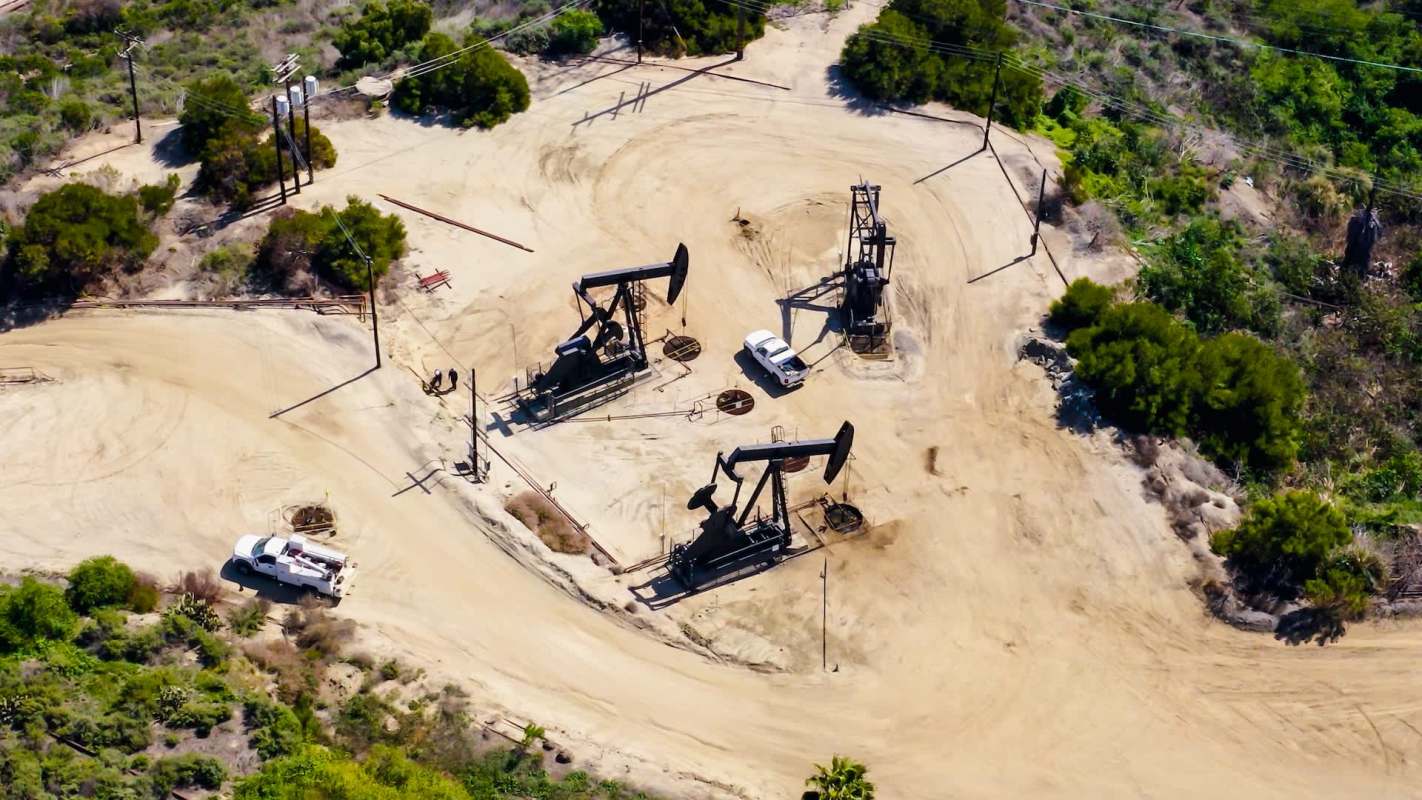
Santa Barbara County has voted to block any new onshore oil drilling, setting up what could become one of California's most closely watched local fights over the future of non-renewable energy.
The Sept. 15 decision does not immediately shut down existing wells, but it marks the first step in an effort that county leaders have indicated could phase out current onshore operations as well.
Here's what to know
New onshore drilling had already been dormant in the county for years — no proposal has been approved since 2014 — and all current onshore production is concentrated in North County. On Sept. 15, the Board of Supervisors made that pause formal by voting 3-2 to prohibit new proposals, according to the Santa Barbara Independent.
That divide showed up in the votes. Supervisor Bob Nelson, whose district contains most of the county's oil activity, opposed the measure, while Supervisor Joan Hartmann supported it as part of a broader effort to wind down the industry.
Any effort to address existing sites would move much more slowly. Supervisors were told county staff would need three years just to determine the length of an "amortization" period — a gradual end to current operations rather than an immediate closure — and that the work would also require an environmental impact report.
At the Santa Maria hearing, 53 people signed up to speak. Environmental advocates pointed to a University of California, Santa Barbara estimate that toxic chemicals released during oil production create between $54 million and $81 million in health costs for the county.
TCD Picks » Quince Spotlight
💡These best-sellers from Quince deliver affordable, sustainable luxury for all




More background
Opponents of the move said the stakes go beyond drilling permits. Employees of oil companies and related businesses told supervisors the jobs are well paid, and many noted that about 70% of the oil used in California is imported. They also raised concerns about a Santa Maria operation that could be phased out even though it is one of only four facilities in the state that produce asphalt in significant quantity, which could affect road repair costs.
A legal challenge appears likely. Critics of the board's action argued the county should have completed environmental review for both the new-drilling ban and any eventual phaseout together, instead of handling them as separate steps.
The county's action is a first move rather than a final shutdown. By starting with new drilling, supervisors appear to be trying to reduce legal risk while preparing for a broader transition away from existing onshore oil operations.
Where can I learn more?
These stories look at California oil-and-gas battles, the health effects of pollution from non-renewable energy sources, and drilling disputes in other states.
• In California, lawmakers gave counties more authority over oil and gas siting fights.
• Researchers tied oil and gas pollution to premature deaths and asthma worldwide.
• In Texas, landowners battled an abandoned oil well leaking toxic wastewater onto property.

Get TCD's free newsletters for easy tips, smart advice, and a chance to earn $5,000 toward home upgrades. To see more stories like this one, change your Google preferences here.






