


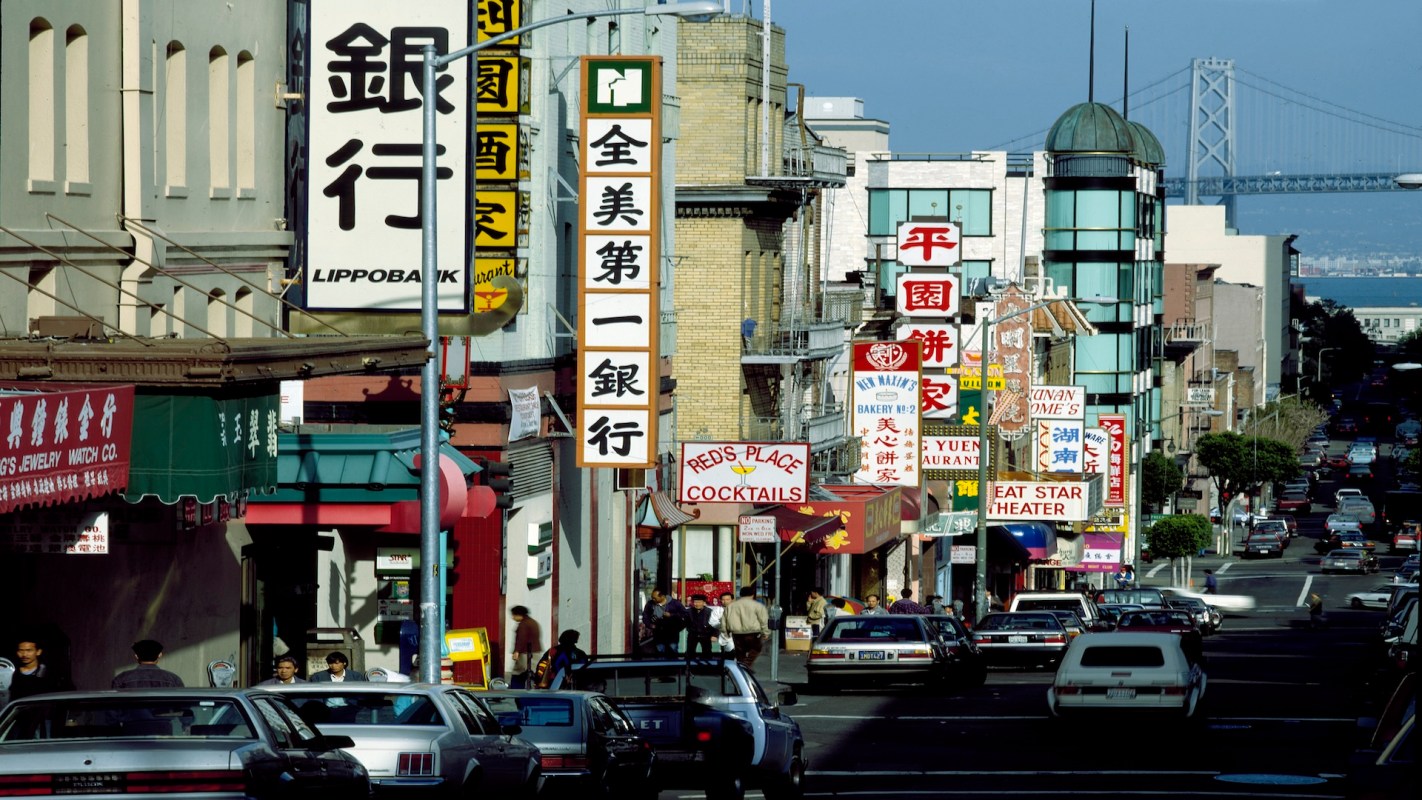
Residents and business owners in San Francisco's Chinatown say trash is cluttering sidewalks and creating a worsening sanitation and safety issue, as NBC Bay Area reported.
Some merchants say the problem is also showing up on their bills in the form of penalties.
Here's what to know
Community members told the station the neighborhood's growing activity and a shortage of trash and recycling bins are contributing to the problem. NBC Bay Area also observed garbage bags and cooking-oil containers left on the sidewalk, while some people hurried to throw trash into collection trucks before they pulled away.
BeChinatown community leader Lily Lo said the issue is not just about how the streets look.
"I saw people fell," Lo said. "And the street is so narrow already. … It's not good."
Concern about rats has pushed Lo to start cleaning the streets herself, NBC Bay Area reported.
TCD Picks » Quince Spotlight
💡These best-sellers from Quince deliver affordable, sustainable luxury for all




Restaurant operator Jimmy Quan said local businesses are being hit financially too. He told the station that when others dump trash into his commercial bins, it adds about $20,000 a year to his waste costs through penalties.
More background
Quan said he gets stuck with the consequences even though he cannot control who uses his bins. He told NBC Bay Area he believes landlords for the low-income apartments next to his restaurant are part of the issue because residents aren't provided with enough bins or a regular pickup service.
A spokesperson for San Francisco's Department of Public Works told the station that garbage and recycling collection is a service residents and businesses must pay for. The department said many property owners and businesses reduced their waste services when the pandemic slowed the neighborhood down, and some still have not increased it again.
What's being done?
Residents are already trying to respond. NBC Bay Area reporter Sergio Quintana said there is "already kind of a public effort," with people posting signs and urging others not to dump trash in the neighborhood.
City officials say supplemental help is available, including block sweepers and outreach enforcement teams. Even so, some buildings and businesses may still be operating with too little urgency.
Property owners may also need to restore adequate trash and recycling service, while merchants can ensure they have enough container space for peak activity. Better enforcement against illegal dumping could also help the issue. Businesses can also reduce pressure on crowded bins by cutting unnecessary disposable packaging where possible.
For neighborhood leaders, though, the central point is that the people who are accountable need to do more.
"Business owners and property owners have to be more responsible," Lo told NBC Bay Area. "We just have to try."

Get TCD's free newsletters for easy tips, smart advice, and a chance to earn $5,000 toward home upgrades. To see more stories like this one, change your Google preferences here.







