


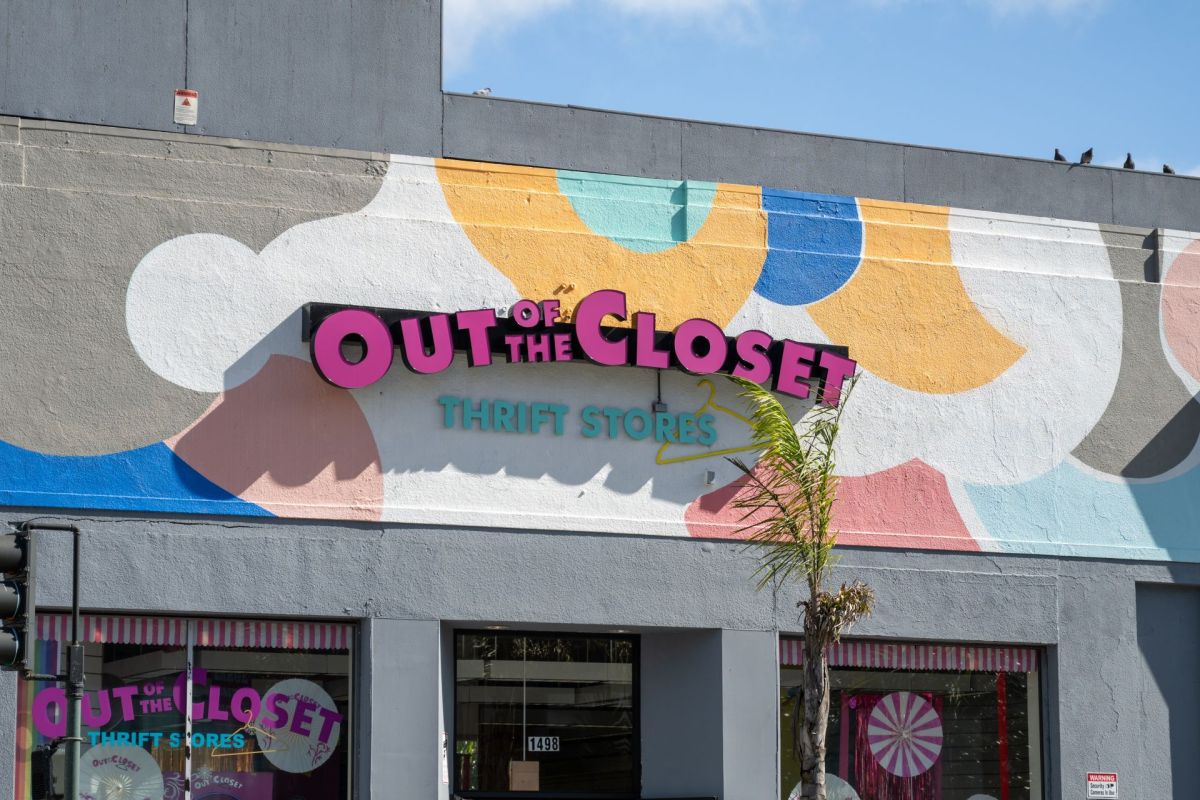
For many shoppers, thrift stores feel like a treasure hunt. But behind every low-cost lamp, barely worn jacket, or surprise designer score is a fast-moving system built to turn donated goods into affordable finds almost immediately.
At San Francisco's busiest Out of the Closet location, that process looks far less leisurely than the sales floor suggests: Bags and boxes arrive nonstop, staff sort through them at speed, and some items can make it out for sale the very same day.
Here's what to know
As SFGATE detailed, reporter Amanda Bartlett spent a shift inside the retailer's most popular San Francisco store and saw an unrelenting pace in the back room. While customers looked through clothing, housewares, and knickknacks in the front of the store, employees in back were sorting new donations as they arrived and deciding which items could be moved onto the sales floor quickly.
Shopping secondhand can be one of the cheapest ways to buy everyday necessities, from kitchen items to work clothes, while still offering the thrill of finding rare or unusually valuable pieces at steep discounts.
One of the strongest points in Bartlett's account is the split between the customer experience and the work required to support it. Up front, shoppers listened to passing cable cars and waited in a checkout line; in back, employees kept processing a steady flow of incoming items, highlighting how much effort goes into making secondhand shopping feel seamless.
"It's hectic," Chantal Smith, a district manager who oversees all four Bay Area stores, admitted. "But it goes by quick."
TCD Picks » Quince Spotlight
💡These best-sellers from Quince deliver affordable, sustainable luxury for all




Stores like this are also about more than bargain hunting. They can act as fundraising engines for the organizations behind them, giving donated goods a second life while supporting a broader mission.
More background
Thrifting has become increasingly appealing as many households look for ways to stretch their budgets without giving up quality. A secondhand store can offer basics for a fraction of retail prices, whether someone is furnishing a first apartment, replacing kids' clothes, or picking up small household essentials.
Buying used also helps keep still-usable items in circulation longer, which can reduce waste and lower demand for newly manufactured goods. When a donated shirt or toaster is resold instead of being trashed, it can mean fewer resources are consumed, and less clutter ends up in landfills.
What can be done?
Thrift stores can be a smart first stop before buying new. Checking secondhand options for furniture, kitchenware, decor, or clothing can cut costs substantially, and it may turn up higher-quality items than similarly priced products at big-box retailers.
It also helps to donate thoughtfully. Clean, usable items are easier for staff to process and resell, increasing the chances they will make it onto the floor quickly rather than being discarded. That makes the donation stream more efficient for stores already working at a hectic pace.
Secondhand shopping is not just a quirky pastime. It is a real retail ecosystem — one that can help people save money, uncover unexpected treasures, and support a more circular economy.

Get TCD's free newsletters for easy tips, smart advice, and a chance to earn $5,000 toward home upgrades. To see more stories like this one, change your Google preferences here.






