


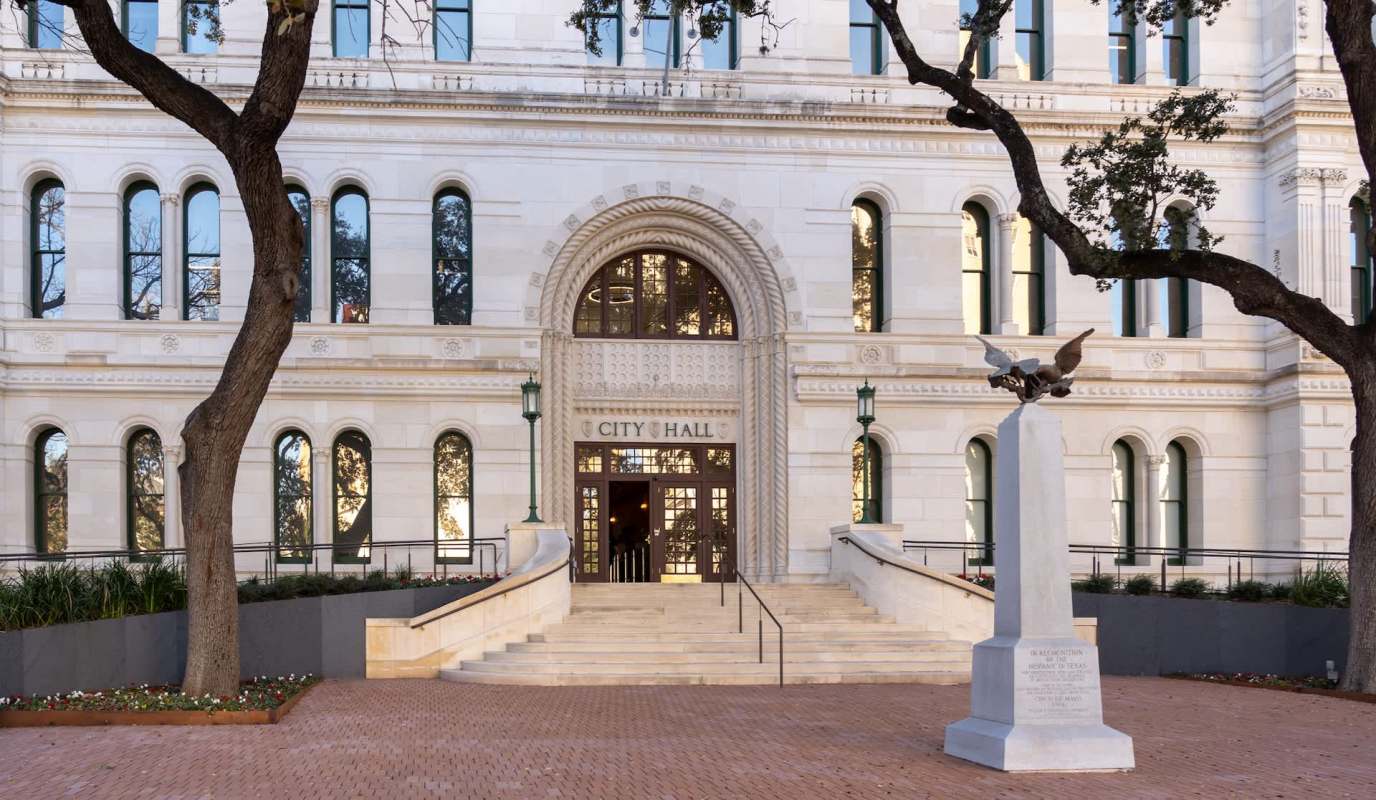
San Antonio leaders are moving ahead with a plan that could raise property taxes, increase everyday city fees, and reduce some public services as officials try to close a $158 million budget gap.
The proposal is meant to stabilize the city's finances, but it could also add strain for residents already facing higher housing, utility, and grocery costs.
Here's what to know
In a proposed $4.4 billion budget for fiscal year 2027, city staff included a 3.9% increase in the property tax rate, according to the San Antonio Report. City Council did not take that option off the table. For a house with a taxable value of $231,356, that would work out to roughly $36 more per year.
The spending plan pairs service reductions with higher charges. It calls for cutting more than 100 civilian jobs, combining some departments, and dropping support for several senior nutrition centers, while also increasing fees for things such as Alamodome parking, trash carts, and overdue library materials that are not returned.
City Manager Erik Walsh said the city's finances have worsened as multiple revenue sources have weakened at once, including a roughly 2.7% decline in taxable values, softer-than-expected sales tax collections, and lower energy-related income than officials had forecast.
"What we're feeling is probably the same thing that other tax entities in Bexar County are feeling," Walsh said. "So we felt like we needed to be conservative."
TCD Picks » Quince Spotlight
💡These best-sellers from Quince deliver affordable, sustainable luxury for all




More background
Council members have not yet given final approval to the tax increase. A final budget vote is scheduled for Sept. 17 before the city's fiscal year begins Oct. 1 and runs through Sept. 30, but keeping the proposed rate intact allows it to remain part of the ongoing budget talks.
Not everyone on the council backed the move. Councilman Marc Whyte argued against it, saying, "We should say, 'hell no' to Item 5. Vote no. Stop it now. Make the appropriate cuts and move forward." The measure still advanced, though Whyte, Councilwoman Marina Alderete Gavito, and Councilwoman Misty Spears voted no.
The debate reflects two competing pressures for the city: avoiding deeper cuts in the short term while preserving the ability to raise more revenue later under Texas' property tax cap rules. Walsh said San Antonio is relying in part on "unused increment," which allows the city to carry some tax growth capacity forward.
What's being done?
City leaders are trying to build a larger cushion into the budget by setting aside the standard 15% reserve, plus an additional $48 million in cash in case revenue drops further. Walsh also said the city chose not to maximize the tax rate in fiscal year 2027 to maintain flexibility in fiscal year 2028.
Officials are also relying more on borrowing to pay for major projects over time, including the $2.5 billion redevelopment of San Antonio International Airport. But that strategy also has limits. Slower growth is reducing the city's expected bond capacity, which could make it harder to fund neighborhood improvements without asking taxpayers to shoulder even more.
Mayor Gina Ortiz Jones said the council should retain control over those decisions rather than lock in cuts too early.
"There's obviously an opportunity as we go through this for that [rate] to be lower," Jones said. "Closing that [discussion] off would trigger cuts … absent an understanding of where the [money] would come from [and] absent an understanding of the impact on the community."

Get TCD's free newsletters for easy tips, smart advice, and a chance to earn $5,000 toward home upgrades. To see more stories like this one, change your Google preferences here.






