


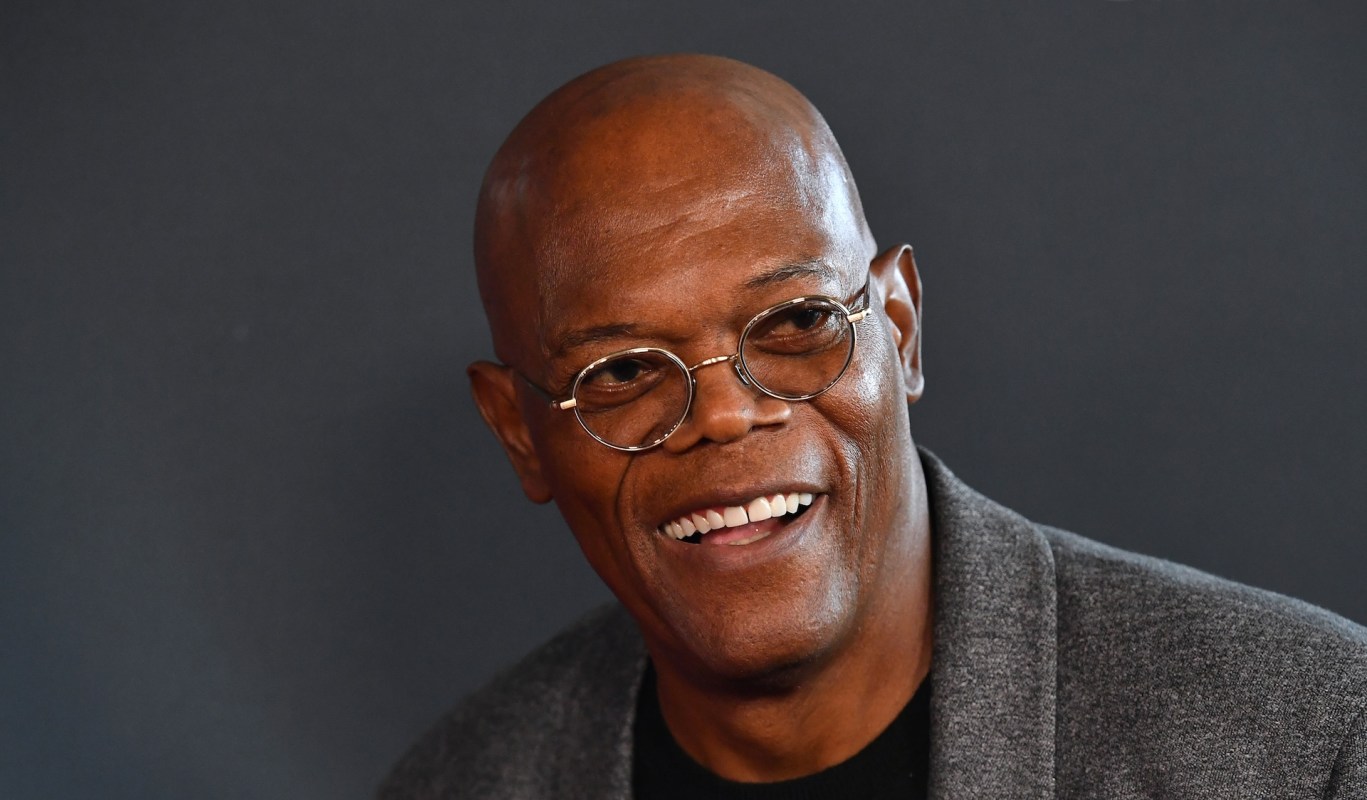
Actor Samuel L. Jackson has weighed in on the rising wealth inequality in the U.S. His message was simple and direct — if wealth were distributed more fairly, more Americans could once again afford the basics.
Here's what to know
Posted on Oct. 8, an Instagram post from More Perfect Union (@perfectunion), citing Variety, presented Jackson's view that wealth should be spread more widely so the U.S. could rebuild a middle class, with people able to afford groceries and other necessities. The caption suggests people should be able to feed themselves and their dogs without financial strain.
More Perfect Union's caption was short and didn't say when the referenced interview took place. Not everyone in the comments agreed that restoring the middle class would be enough. One commenter wrote, "Problem is if you want a middle you are also ok with there being a bottom."
The same commenter then added, "Equity and justice cannot exist while resource access is inequal." Their response shifted the conversation beyond affordability alone and toward the deeper question of inequality.
More background
Jackson's point was not about luxury spending. It was about ordinary survival: groceries, pet food, and the basic dignity of not having to choose between them. That emphasis reflects the anger many people feel as wealth concentrates at the top while communities struggle to cover routine costs.
Community investment came up in the comments as well. One commenter wrote, "Practice what you preach. Educate the kids for the future. Better schools, better teachers, better curriculum-so we can be the best." That response tied economic strain to schools, opportunity, and the kind of communities future generations will inherit.
TCD Picks » Quince Spotlight
💡These best-sellers from Quince deliver affordable, sustainable luxury for all




What's being done?
Some commenters pointed to direct community reinvestment as another part of the picture. One wrote, "Samuel L. Jackson doesn't just talk about community, he actually invests in it," then cited "historic multi-million-dollar funding for HBCUs, fighting health disparities, and supporting grassroots youth charities" as examples of the kind of action they want to see.
Commenters also described education as part of the solution alongside affordability. Better schools, better teachers, and a stronger curriculum were presented as necessary if people are to share in opportunity instead of merely scraping by.
Where can I learn more?
These stories dig into the same pressures: rising household costs, inequality, and who gets squeezed first. They cover grocery cutbacks, fuel and utility bills, elite excess, and the ways powerful companies shift costs onto everyone else.
• Across the U.S., groceries and gas strain budgets as 95% see an affordability crisis.
• In low-income U.S. households, cutting back on groceries has become a routine survival trade-off.
• In Washington, FAA fee fights over whether the rich pay keep sharpening inequality debates.
• As utilities expand data centers, costing Americans billions, the sense that the system is rigged.

Get TCD's free newsletters for easy tips, smart advice, and a chance to earn $5,000 toward home upgrades. To see more stories like this one, change your Google preferences here.






