


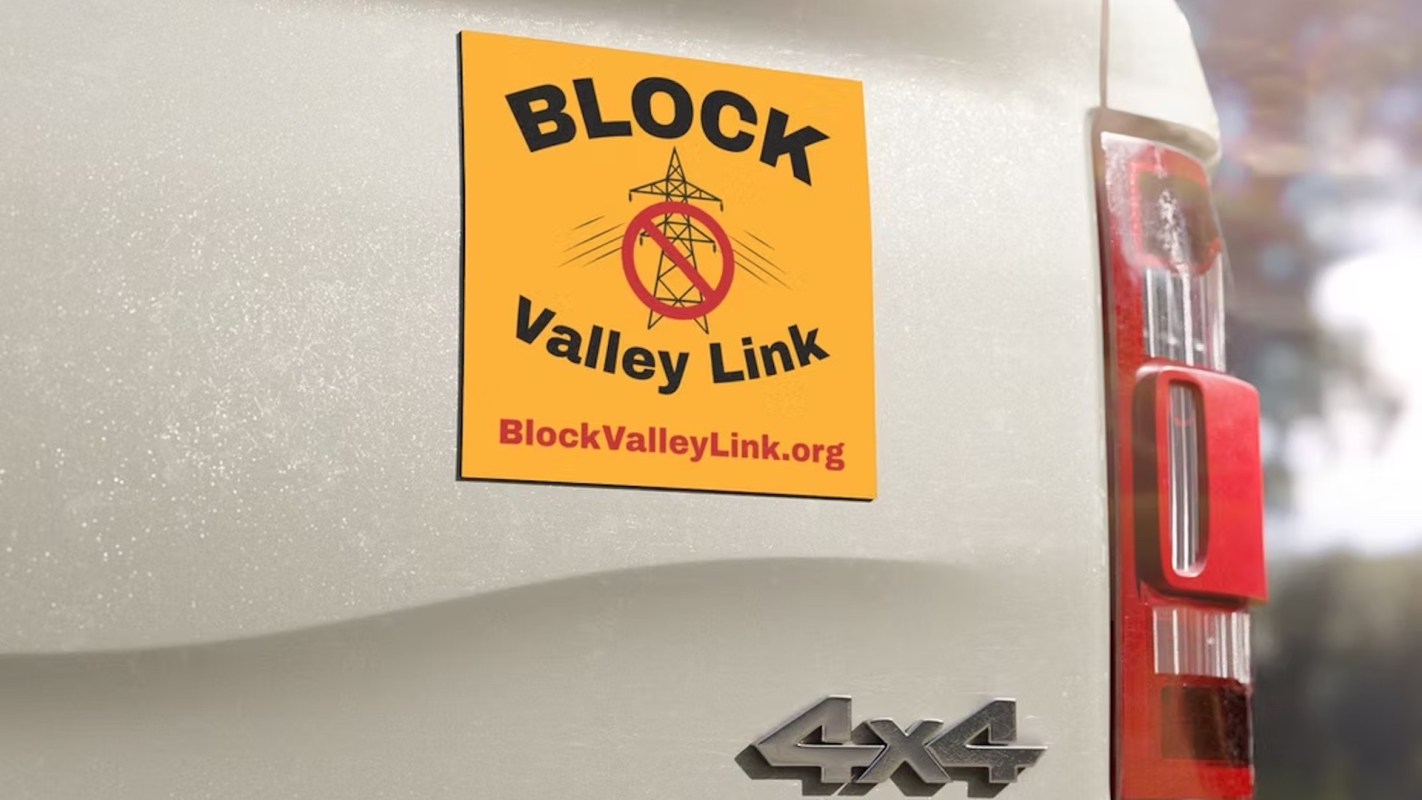
A proposed 115-mile transmission line in Virginia would channel more power toward Northern Virginia, but the most visible effects would fall on rural communities along the route.
Those areas would see new towers and changed landscapes, while ratepayers in the north would be among those helping cover the cost.
What's happening?
The project carries an estimated price tag of $1 billion to $2 billion and is targeted for completion in 2029, according to WTOP. Valley Link wants to build a 765-kilovolt transmission line from Campbell County to Culpeper County to reinforce the grid and serve rising electricity demand in Northern Virginia.
"There's many drivers toward the increased load demands that we've got, but data centers are the lead, and the bulk of those are in that data center alley," Craig Carper, a Valley Link spokesperson, told the publication.
If built, the line would cross Orange, Louisa, Goochland, Fluvanna, Buckingham, Appomattox, Campbell, and Culpeper counties. The regional transmission organization, PJM, is supporting the project, and, as WTOP reported, Valley Link said fewer than 75 homes are within 500 feet of the proposed route, and fewer than 10 are within 150 feet.
Residents and local officials in the affected areas say the project could bring safety issues, environmental damage, changes to community character, and lower property values.
TCD Picks » Quince Spotlight
💡These best-sellers from Quince deliver affordable, sustainable luxury for all




Why does it matter?
At the center of the debate is a split between who would benefit and who would bear the burden. Rural Virginians say their communities would take on the visual and land-use effects of a line tied largely to fast-growing data center demand, even as customers elsewhere would help pay for it.
Carper, also speaking as a Dominion spokesperson, said the transmission portion of customer bills could increase by $1 or $2.
Local resident Rick Kilcoyne said, "We're going to get power everywhere, but there's just no local value here. There's just no local value. It's just a straight take, which is, 'we're going to run these power lines across here.' The rates aren't going down."
Carper said Virginia's electricity needs could nearly double by 2040 as several trends push demand higher. He cited data centers as a major factor, as well as climate-driven heat waves, electric vehicles, and smart home technology.
What's being done?
Valley Link said it has tried to limit disruption by adjusting the route, removing Spotsylvania County from the latest version, and steering away from schools and residential neighborhoods while seeking to reduce effects on wetlands, conservation easements, and river crossings, as WTOP reported.
The company has also held public open houses and reviewed thousands of comments. The preferred route is slated to be submitted to the Virginia State Corporation Commission this fall, with a ruling expected in fall 2027.
But the project has been met with strong community opposition. One reason for this is that much of the proposed route would cross land where Valley Link does not already hold rights of way, meaning the company would need to work with property owners on easements extending 100 feet to either side of the center line.
Carper said court-settled purchases "are used only as a last resort," and that "every landowner is compensated if an easement is put on their land."
During a Culpeper Board of Supervisors meeting last month, Kathleen Rodgers Kirk said the "best parts of Virginia were never meant to be sold. Not now, not ever."

Get TCD's free newsletters for easy tips, smart advice, and a chance to earn $5,000 toward home upgrades. To see more stories like this one, change your Google preferences here.






