


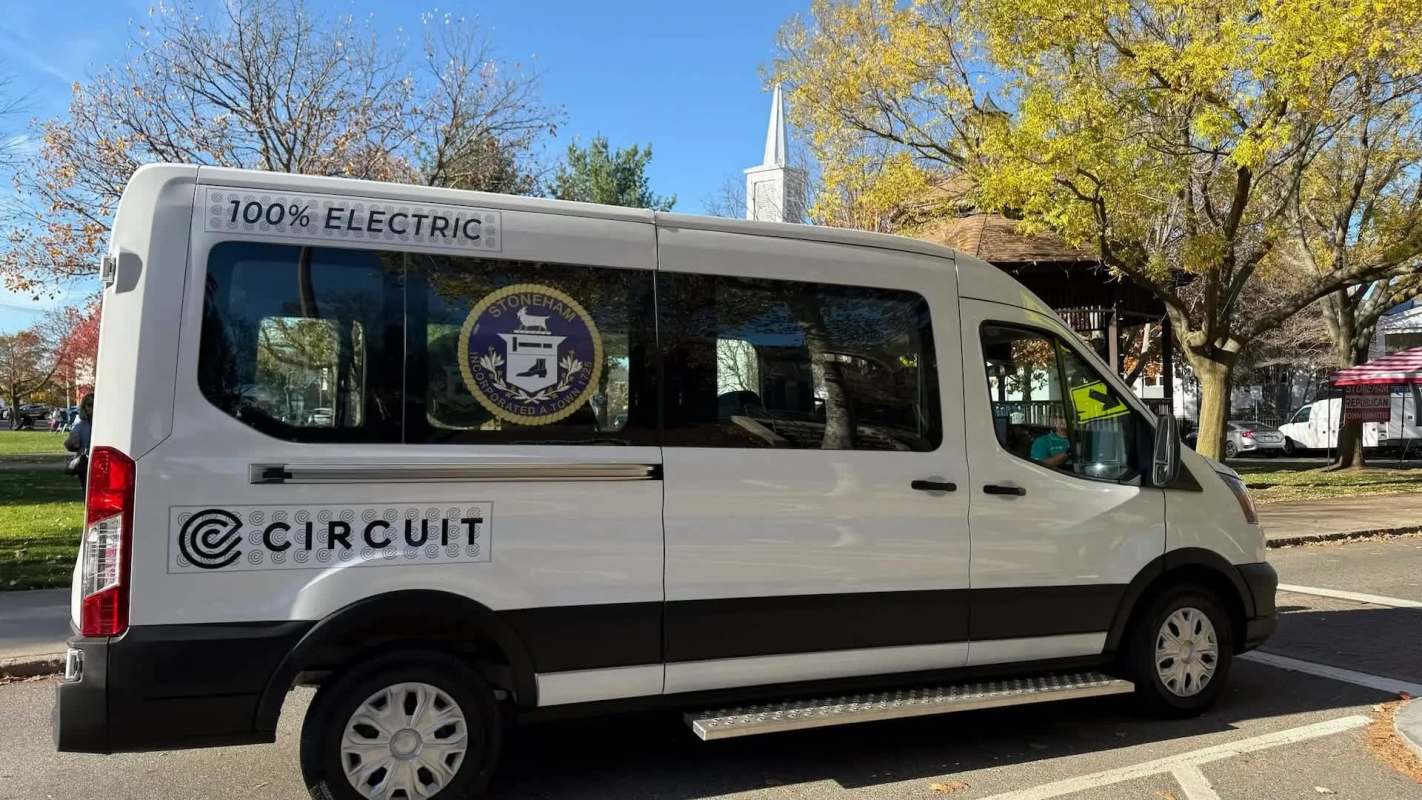
In rural Massachusetts, one of the biggest transportation challenges is also among the most basic quality-of-life concerns: how people get to work, access medical care, and secure other essentials when a traditional bus route is too expensive to run.
A new set of studies suggests the answer may bring benefits that extend far beyond the ride itself, with one rural micro-transit service operating on a $900,000 annual budget while generating more than $8 million in local economic benefits, according to StreetsblogMASS.
Here's what to know
New analyses from Transportation for Massachusetts and the UMass Amherst Donahue Institute put the annual economic value of rural micro-transit in the millions for the small towns these systems serve.
Designed for broad, lightly populated regions, micro-transit works as a middle ground between fixed-route buses and app-based ridesharing.
Riders usually reserve shared trips ahead of time by phone or mobile app, allowing service across multi-town areas that would be hard to serve with frequent scheduled buses.
One of the strongest examples in the research is the South County Connector in southern Berkshire County, where eight vans provide about 2,500 rides each month.
TCD Picks » Quince Spotlight
💡These best-sellers from Quince deliver affordable, sustainable luxury for all




UMass researchers estimated that the service creates more than $8 million in yearly economic benefits, equal to roughly a 1,200% return on public investment.
That payoff includes both employment access and healthcare access.
Researchers said the Connector supports around two dozen jobs by connecting workers with employers they otherwise could not reach while also producing an estimated $3 million per year in healthcare savings by helping riders make medical appointments.
More background
Improved public health accounts for about half of the economic benefits researchers linked to rural micro-transit.
The UMass team pointed to longstanding evidence that reliable transportation helps people get preventive care before health issues turn into emergencies.
It can also help people manage chronic conditions such as heart disease and diabetes in ways that reduce costs across the healthcare system, including for public programs such as Medicaid and Medicare.
The research also highlighted Helping Our Women, a vanpool service on Outer Cape Cod that began in the 1990s after volunteers set out to support a local woman undergoing breast cancer treatment.
In 2025, the service provided about 1,100 trips, roughly 900 of them for medical appointments.
UMass estimated that those medical trips save clients and healthcare providers more than $800,000 each year.
"Too often, transportation conversations in Massachusetts focus on the MBTA, while rural communities have few reliable ways to reach healthcare, work, and other basic needs," said Reggie Ramos, executive director of Transportation for Massachusetts.
What's being done?
The biggest hurdle is funding.
Massachusetts has supported several microtransit programs through MassDOT's new Microtransit and Last Mile Transit Grant program, which awarded $15 million using Fair Share funding from Gov. Maura Healey's 2025 and 2026 supplemental budget bills.
Transportation for Massachusetts is also backing "an act establishing a special commission on micro-transit," which would examine funding sources and the ongoing needs of these services.
Both versions of the bill received an "ought to pass" recommendation from the Joint Transportation Committee, though they have stalled in the House and Senate Ways and Means committees.
"These programs are lifelines, and this research shows they also strengthen local economies and deliver a strong return on investment," Ramos explained.
Where can I learn more?
These stories look at other ways transportation investments can cut costs and widen access in very different places. They cover electric bus economics, everyday transit savings, and low-cost vehicle access in Detroit.
• Transit districts can see lifetime savings for electric buses reach $73,000 to $173,000 each.
• For many households, public transit cost savings grow even more when biking replaces errands.
• In Detroit, EV rentals priced at just $5 per hour are widening mobility access.

Get TCD's free newsletters for easy tips, smart advice, and a chance to earn $5,000 toward home upgrades. To see more stories like this one, change your Google preferences here.






